Image 1 of 17
1 / 17
Plant Reference
Dicentra, Genus, formosa, Species,
- Genus & species
Pacific bleeding heart
Pacific Coast of North America — from British Columbia south through Washington, Oregon to California; moist coniferous forests, stream banks, and shaded ravines
Overview
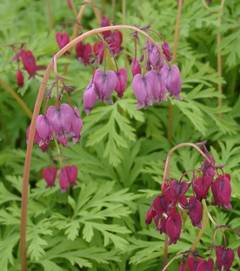
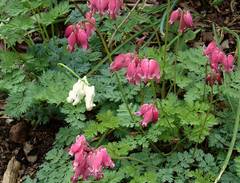
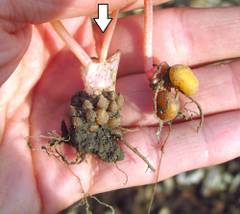
Dicentra formosa is Pacific bleeding heart (western bleeding heart), a spreading deciduous perennial growing 10-20 inches (25-50 cm) tall and 12-24 inches (30-60 cm) wide. Pink to rose-purple heart-shaped pendant flowers 0.75 inch (2 cm) in arching racemes of 5-15 on leafless stalks in April-July (10 weeks). Blue-green finely dissected ternately compound fern-like foliage 6-12 inches (15-30 cm). In Papaveraceae. Formosa = comely. Native to the Pacific Coast — British Columbia through California in moist coniferous forests. Spreads by fleshy rhizomes at 6-12 inches (15-30 cm) per year to form ground-cover colonies. This rhizomatous spread is the primary maintenance consideration — colonies expand steadily and may require thinning. The foliage persists through summer in cool moist conditions but goes dormant in hot dry summers. Distinguished from Lamprocapnos spectabilis (old-fashioned bleeding heart) which always goes dormant by midsummer. D. formosa has a longer bloom period (10 weeks vs. 3-4 weeks) and smaller flowers. All parts contain isoquinoline alkaloids — toxic if ingested and may cause contact dermatitis. Not drought-tolerant. Deer-resistant. Hummingbird-visited. Zones 4-9. Part shade to full shade. Growth rate is moderate to fast.
Native Range
Native to the Pacific Coast of North America — from British Columbia south through Washington, Oregon to California. Found in moist coniferous forests, stream banks, and shaded ravines.Suggested Uses
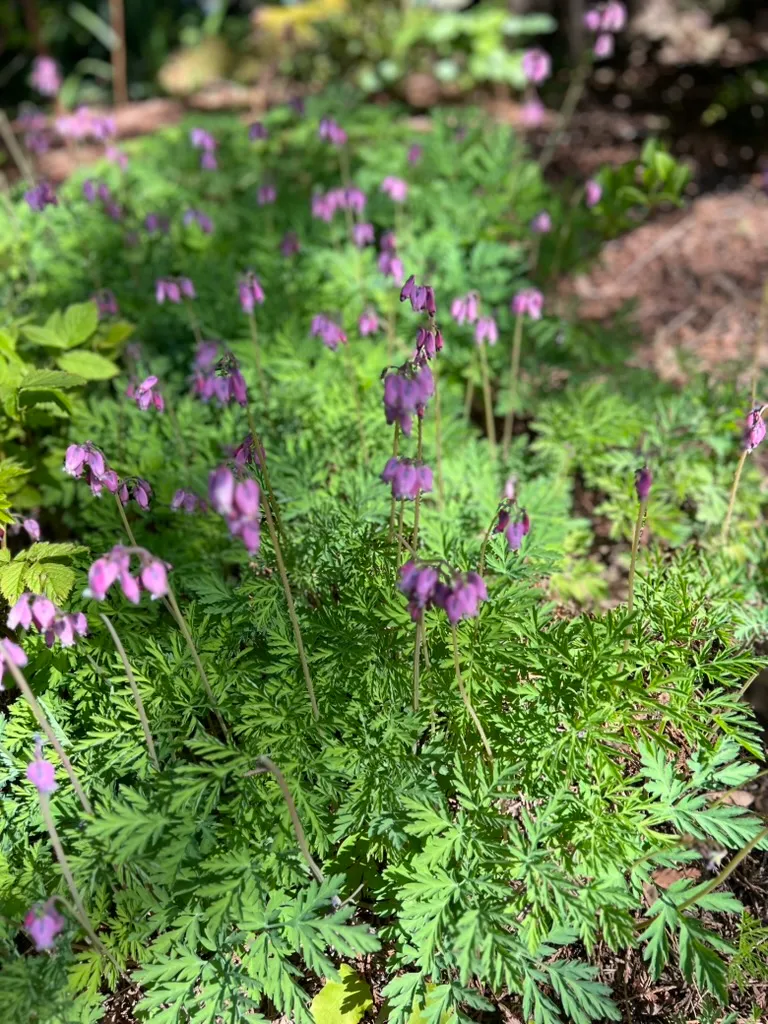
Grown as a shade ground cover, in woodland gardens, and in containers of at least 2 gallons (7.5 L), spaced 12-24 inches (30-60 cm). Long bloom period (10 weeks). Rhizomatous ground cover. Native to Pacific Northwest. Toxic. Deer-resistant. Zones 4-9.How to Identify
Appearance
Size & Dimensions
Height10" - 1'8"
Width/Spread1' - 2'
Bloom Information
Mid spring to midsummer (April-July). Pink to rose-purple heart-shaped pendant flowers 0.75 inch (2 cm) in arching racemes of 5-15. 10 weeks — longer bloom than Lamprocapnos spectabilis (3-4 weeks). Hummingbird- and bee-visited.
Detailed Descriptions
Flower Description
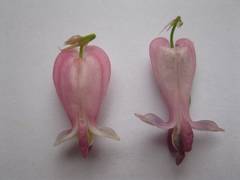
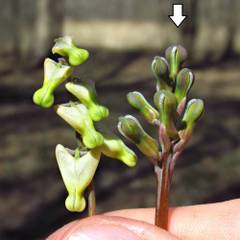
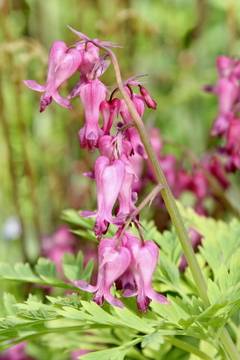
Pink to rose-purple, heart-shaped, pendant, 0.75 inch (2 cm), in arching racemes of 5-15 flowers on leafless stalks above the foliageFoliage Description
Blue-green, finely dissected (fern-like), ternately compound, 6-12 inches (15-30 cm); the lacy dissection creates an airy fern-like moundGrowing Conditions
Sun Requirements
Requires 2-4 hours of direct sunlight daily
• Full Sun: 6+ hours of direct sunlight
• Partial Shade: 3-6 hours of direct sunlight
• Full Shade: Less than 3 hours of direct sunlight
Care & Maintenance
Care Guide
Part shade to full shade (2-4 hours). Moist soil pH 5.5-7.0. Not drought-tolerant — goes dormant in hot dry conditions. Spreads by rhizomes — thin colonies to control spread. Foliage persists in cool moist climates. All parts toxic (isoquinoline alkaloids; contact dermatitis). Cut dead foliage in fall or early spring. Deer-resistant. Zones 4-9.Pruning
Cut dead or dormant foliage to the ground in late fall (October) or early spring (March). No other pruning needed. Thin rhizome spread by removing unwanted outer portions with a sharp spade.Pruning Schedule
Prune: March & October
fallearly spring
Container Growing
Suitable for container growing
Minimum container size: 2 gallons