Salvia, Genus, nemorosa, Species, 'East Friesland', Cultivar,
- Genus & species
- Cultivar
East Friesland meadow sage
Garden selection introduced by Ernst Pagels, Germany; the species S. nemorosa is native to Europe and western Asia
Overview
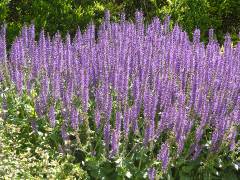
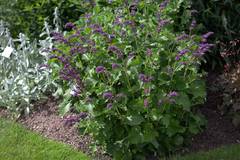
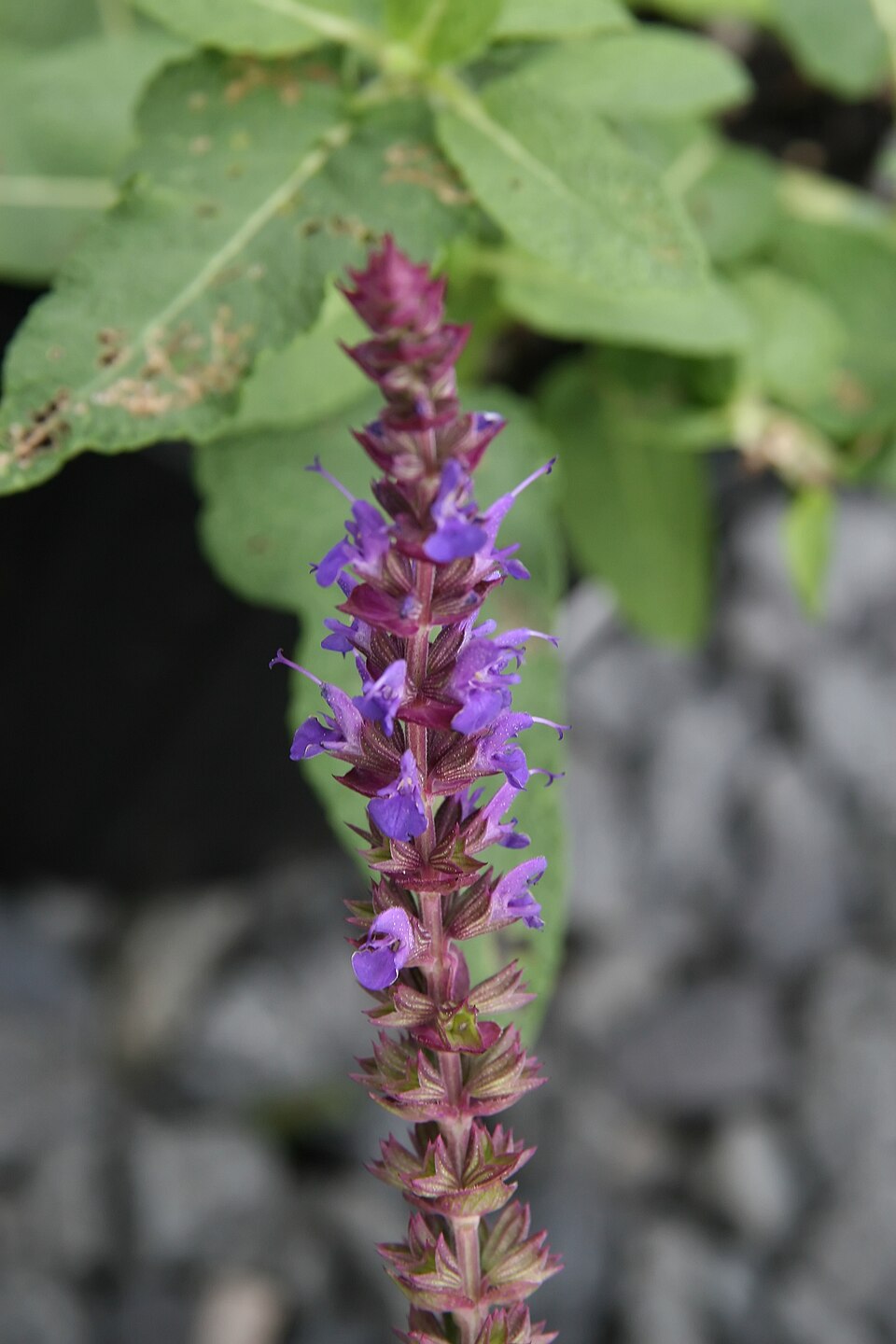
Salvia nemorosa 'East Friesland' is East Friesland meadow sage (Ostfriesland salvia), a clumping perennial growing 18-24 inches (45-60 cm) tall and 18-24 inches (45-60 cm) wide. Dense broad terminal spikes 6-8 inches (15-20 cm) of deep violet-purple tiny tubular 2-lipped flowers with persistent dark calyces. Medium green lance-shaped textured (rugose) aromatic foliage. Square stems. In the mint family (Lamiaceae). Introduced by Ernst Pagels (Germany). One of the original S. nemorosa cultivars — the standard against which newer selections are compared. Six weeks of primary bloom (June-July) with a second flush in September if sheared after the first. The spikes are broader and more robust than 'Caradonna' (S. nemorosa 'Caradonna'), which has narrower spikes on dark stems; 'East Friesland' has green stems. The habit can become open and floppy in rich moist soil or shade — lean dry soil and full sun produce the tightest form. Does not tolerate wet winter soil — crown rot in poorly drained clay is the primary limitation. Semi-evergreen basal rosette. Deer-resistant. Drought-tolerant once established. Non-toxic. Zones 4-9. Full sun. Growth rate is moderate.
Native Range
Garden selection introduced by Ernst Pagels (Germany). The species S. nemorosa is native to Europe and western Asia.Suggested Uses
Grown in perennial borders (mid-border), mass plantings, and containers of at least 5 gallons (19 L). The original S. nemorosa cultivar. Rebloom with shearing. Pollinator garden. Deer-resistant. Drought-tolerant. Non-toxic. Zones 4-9.How to Identify
Appearance
Size & Dimensions
Height1'6" - 2'
Width/Spread1'6" - 2'
Bloom Information
Detailed Descriptions
Flower Description
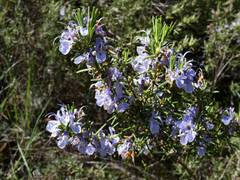
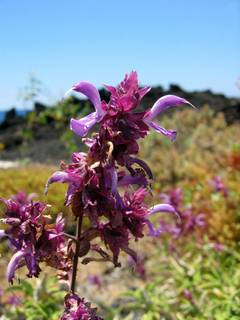
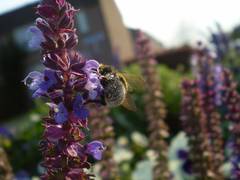
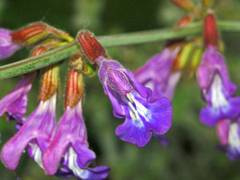
Deep violet-purple, tiny tubular 2-lipped flowers in dense broad terminal spikes 6-8 inches (15-20 cm) with persistent dark calycesFoliage Description
Medium green, lance-shaped, textured (rugose), aromatic, 2-4 inches (5-10 cm) longGrowing Conditions
Sun Requirements
Requires 6-10 hours of direct sunlight daily
• Full Sun: 6+ hours of direct sunlight
• Partial Shade: 3-6 hours of direct sunlight
• Full Shade: Less than 3 hours of direct sunlight
Care & Maintenance
Care Guide
Full sun (6+ hours). Well-drained lean soil pH 6.0-7.5. Lean dry soil produces the tightest habit — flops in rich moist soil or shade. Shear after first flush (mid-July) for rebloom. Does not tolerate wet winter soil (crown rot). Deer-resistant. Non-toxic. Zones 4-9.Pruning
Shear spent flower spikes back to the basal foliage after the first flush (mid-July) to trigger rebloom in September. Cut back to 3-4 inches (7-10 cm) in early spring if needed. Divide every 3-4 years in spring.Pruning Schedule
Prune: July–August
summer
Container Growing
Suitable for container growing
Minimum container size: 5 gallons