Salix, Genus, spp., Multiple species,
- Genus
- Multiple species
willows
Northern Hemisphere (cold-temperate and arctic Asia, Europe, and North America), with some species in South America and southern Africa
Overview
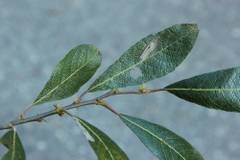
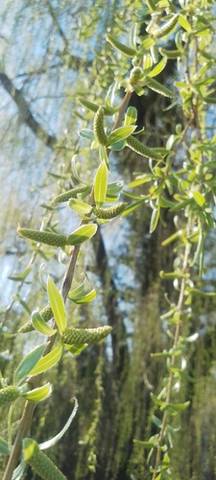
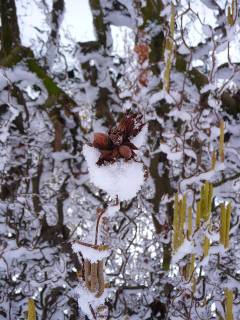
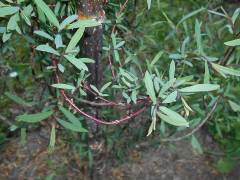
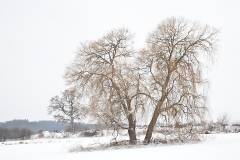
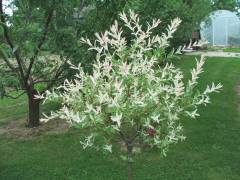
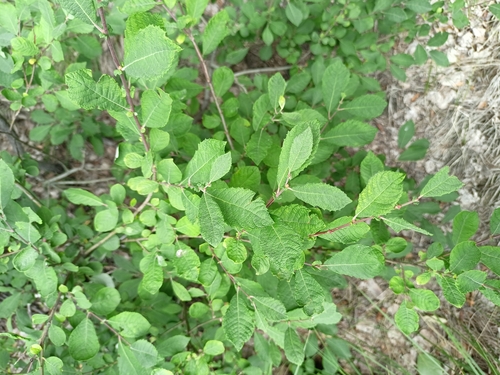
Salix is a genus of deciduous trees and shrubs in the Salicaceae family, containing roughly 350 species concentrated in cold and temperate regions of the Northern Hemisphere, with many species growing along streams, wetlands, and other moist ground. Habit ranges from prostrate arctic shrubs a few inches tall, such as S. herbacea, to single-trunked trees reaching 100 feet (30 m), such as S. alba. Most species carry narrow, lanceolate leaves 1-6 inches (2.5-15 cm) long, green above and paler or silvery beneath, on slender, flexible twigs that root readily from cuttings. Plants are dioecious, bearing male and female catkins on separate individuals; the catkins open in early spring before or with the leaves and measure 0.5-4 inches (1-10 cm) long. Willows grow quickly, with many species adding 3-8 feet (0.9-2.4 m) per year, but the soft wood is brittle and branches break in wind and ice. Water-seeking roots invade drains and septic systems, and most species are short-lived compared with hardwoods, declining after 30-50 years. The genus supports many insects and serves as a larval host for several butterfly and moth species. Salix bark contains salicin, the compound from which salicylic acid takes its name.
Native Range
Salix occurs throughout the Northern Hemisphere, with the greatest species diversity in cold-temperate and arctic Asia, Europe, and North America. A smaller number of species extend into the Southern Hemisphere in South America and southern Africa.Suggested Uses
Used in streambank stabilization, erosion control, and wet-soil plantings where the dense roots bind soil. Larger species are grown as shade and specimen trees, while shrubby species are coppiced for basketry, biomass, and living fences. Early catkins are a pollen and nectar source for bees.How to Identify
Appearance
Size & Dimensions
Height2" - 100'
Width/Spread1' - 50'
Bloom Information
Catkins open in early spring, typically March to May depending on latitude and elevation, usually before or as the leaves expand. Male catkins shed yellow pollen while female catkins are greener and develop into seed capsules. Bloom on an individual plant lasts about 2-3 weeks. The wind- and insect-pollinated flowers release seeds with cottony tufts in late spring.
Detailed Descriptions
Flower Description
yellow to silver-greenFoliage Description
green to silver-greenGrowing Conditions
Sun Requirements
Requires 6-12 hours of direct sunlight daily
• Full Sun: 6+ hours of direct sunlight
• Partial Shade: 3-6 hours of direct sunlight
• Full Shade: Less than 3 hours of direct sunlight