Ruta, Genus, spp., Multiple species,
- Genus
- Multiple species
rues
Mediterranean, southwest Asia, Canary Islands
Overview
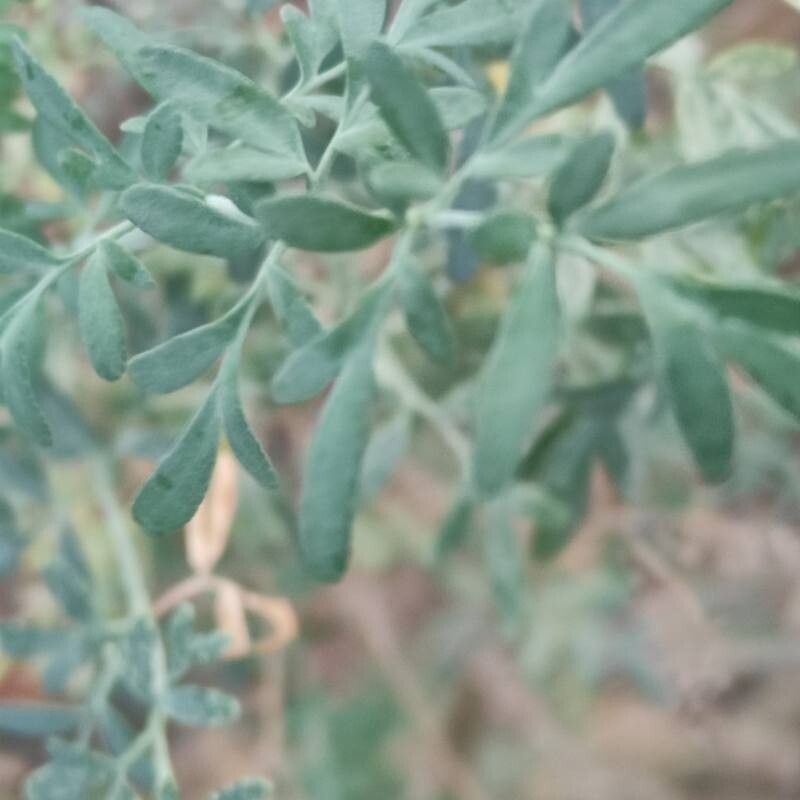
Ruta is a genus of about 8–10 evergreen subshrubs and woody-based perennials in the family Rutaceae, native to the Mediterranean region, southwest Asia, and the Canary Islands. Plants form rounded, much-branched mounds 1–3 ft (30–90 cm) tall and nearly as wide, with woody lower stems and herbaceous upper growth. The alternate leaves are two- to three-times divided into small, spoon-shaped segments, blue-green to grey-green and dotted with oil glands that release a pungent scent when bruised. From late spring into summer, branched clusters of four- to five-petalled yellow flowers 0.4–0.8 in (1–2 cm) across open above the foliage, the petals hooded and fringed at the margins. Flowers give way to lobed seed capsules that split to release dark seeds. All parts contain furanocoumarins; contact with the sap followed by sunlight can cause phytophotodermatitis, a blistering skin reaction, and ingestion can cause stomach upset. Ruta grows in USDA zones 5–9 in full sun and sharply drained soil, tolerating drought, heat, and poor stony ground once established. Cold hardiness varies by species, with R. graveolens hardy to about zone 5 and several Canary Island species frost-tender.
Native Range
Ruta is native to the Mediterranean Basin, southwest Asia, and the Canary Islands, growing on dry rocky slopes, garrigue, and open scrub. R. graveolens from southeast Europe has naturalised widely in disturbed ground across Europe, North America, and other temperate regions.Suggested Uses
Ruta is grown in herb gardens, dry borders, gravel gardens, and Mediterranean-style plantings, where its blue-green foliage contrasts with green-leaved neighbours. The drought tolerance suits xeriscapes and hot, exposed banks. Historically the foliage was used as a strewing herb and in folk medicine, though its toxicity limits modern culinary use.How to Identify
Appearance
Size & Dimensions
Height1' - 3'
Width/Spread1' - 3'
Colors
Bloom Information
Detailed Descriptions
Foliage Description
blue-green to grey-greenGrowing Conditions
Sun Requirements
Requires 6-12 hours of direct sunlight daily
• Full Sun: 6+ hours of direct sunlight
• Partial Shade: 3-6 hours of direct sunlight
• Full Shade: Less than 3 hours of direct sunlight
Water & Climate
Water Needs
Drought Tolerance
Drought tolerant when established
Care & Maintenance
Care Guide
Ruta grows in full sun and sharply drained, neutral to alkaline soil, including poor, stony, and dry ground. Established plants tolerate drought and heat and need little supplemental water. Cold hardiness varies by species, with R. graveolens surviving to about USDA zone 5 and tender species limited to zones 8–9. Rich soil and excess moisture produce soft growth and can cause root rot. Plants are raised from seed or semi-ripe cuttings and establish poorly if moved once settled. Sap contact in bright sunlight can blister skin, a risk where plants grow beside frequently used paths.Pruning
Plants are cut back by about one-third in early spring to remove winter-damaged stems and maintain a compact mound. Shearing after flowering keeps growth dense, though cuts into old bare wood may not resprout. Foliage handled in sunlight can irritate skin.Pruning Schedule
Prune: March–April
early spring
Container Growing
Suitable for container growing
Minimum container size: 3 gallons