Image 1 of 15
1 / 15
Plant Reference
Skimmia, Genus, japonica, Species,
- Genus & species
Japanese skimmia
Japan, China, and southeastern Asia; mountain forests
Overview
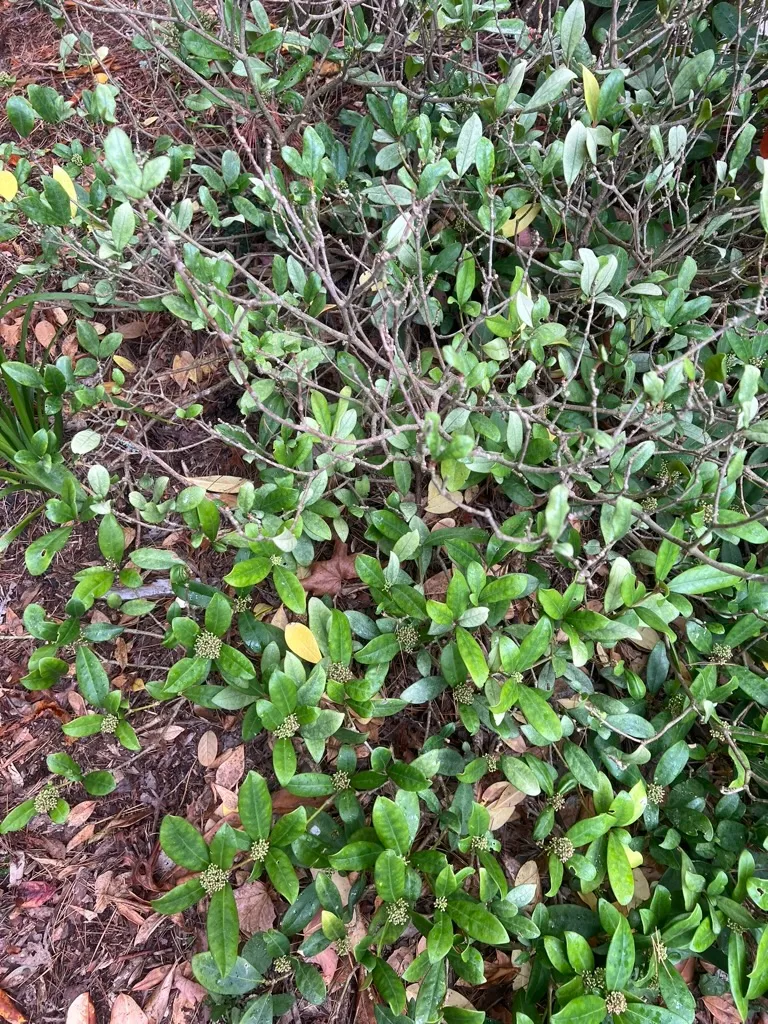
Skimmia japonica is Japanese skimmia, a compact mounding evergreen shrub growing 3-5 feet (90-150 cm) tall and 3-5 feet (90-150 cm) wide. Creamy white flowers in terminal panicles 2-3 inches (5-7 cm) in April-May (4 weeks). Reddish-pink flower buds ornamental from fall through winter. Bright red persistent berries on female plants. Glossy dark green aromatic oblanceolate leaves 2-5 inches (5-13 cm). In Rutaceae. Dioecious — male and female on separate plants; male needed for berries. Male flowers more fragrant. Reddish-pink buds form in fall — ornamental through winter before opening in spring (3-season display). Slow-growing (8-10 years). Chlorosis in alkaline soil — acidic moist soil required (pH 5.0-6.5). Not drought-tolerant. These acid and moisture requirements are the primary cultural limitations. Contains alkaloids — toxic. Deer-resistant. Zones 6-9. Part shade to full shade. Growth rate is slow.
Native Range
Native to Japan, China, and southeastern Asia. Found in mountain forests.Suggested Uses
Grown in shade borders, foundation plantings, and in containers of at least 5 gallons (19 L) with acidic mix, spaced 3-5 feet (90-150 cm). 3-season display (buds, flowers, berries). Plant male and female. All parts toxic. Zones 6-9.How to Identify
Appearance
Size & Dimensions
Height3' - 5'
Width/Spread3' - 5'
Bloom Information
Mid spring (April-May). Creamy white 4-petaled flowers 0.2 inch (5 mm) in dense terminal panicles 2-3 inches (5-7 cm). Fragrant (male flowers more so). 4 weeks. Reddish-pink buds ornamental fall through winter. Bee-visited.
Detailed Descriptions
Flower Description
Creamy white, small, 0.2 inch (5 mm), 4-petaled, in dense terminal panicles 2-3 inches (5-7 cm); April-May; reddish-pink flower buds form in fall and are ornamental through winter; dioecious — female plants produce bright red persistent berries 0.3 inch (8 mm) from fall through winter (requires a male pollinator); male flowers are more fragrant than femaleFoliage Description
Glossy dark green, oblanceolate, 2-5 inches (5-13 cm), leathery, aromatic when crushed (citrus-like — in Rutaceae, the citrus family); whorled near stem tips; evergreen year-roundGrowing Conditions
Sun Requirements
Requires 2-4 hours of direct sunlight daily
• Full Sun: 6+ hours of direct sunlight
• Partial Shade: 3-6 hours of direct sunlight
• Full Shade: Less than 3 hours of direct sunlight
Care & Maintenance
Care Guide
Part shade to full shade (2-4 hours). Moist acidic soil pH 5.0-6.5. Not drought-tolerant. Chlorosis in alkaline soil. Dioecious — plant male and female together for berries. Slow-growing (8-10 years). Prune after flowering (May-June). Contains alkaloids — toxic. Deer-resistant. Zones 6-9.Pruning
Prune after flowering (May-June) to shape. The compact mounding form requires minimal pruning. Remove dead or crossing branches.Pruning Schedule
Prune: May–June
late spring
Container Growing
Suitable for container growing
Minimum container size: 5 gallons