Rubus, Genus, hispidus, Species,
- Genus & species
swamp dewberry
Overview
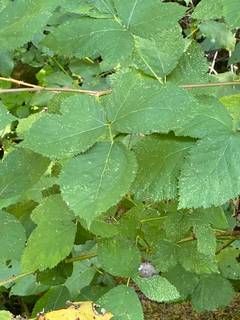
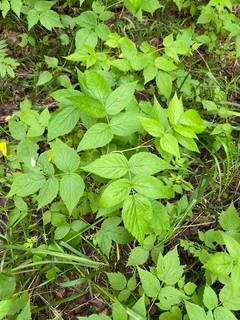
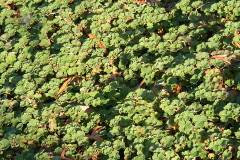
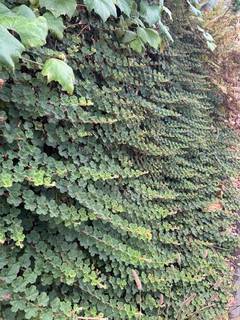
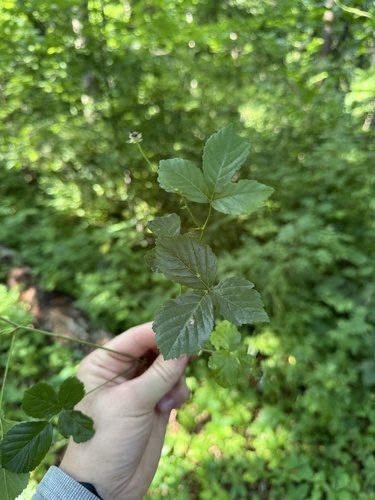
Rubus hispidus is a low, trailing perennial bramble in the rose family, with slender stems 3-6 feet (1-2 m) long that creep along the ground and root at the tips to form mats a few inches high. The stems carry weak bristles rather than stout prickles. Leaves are usually trifoliate, occasionally with five leaflets, each leaflet 1-2.5 inches (2.5-6 cm) long, glossy, leathery, and dark green; foliage is semi-evergreen, turning bronze to purple through winter in milder areas. White five-petaled flowers about 0.5-0.75 inch (1.2-2 cm) across open from June to July, held singly or in small clusters on upright stalks. The aggregate fruit ripens from reddish to black-purple in July to September, measuring 0.3-0.5 inch (8-12 mm), with a sour taste. The species occupies wet woods, swamp margins, bogs, and moist clearings across eastern North America. Spreading stems can root widely and form dense patches, which crowds adjacent low plants and makes the species hard to contain in small beds. The bristly stems also catch on clothing.
Native Range
Rubus hispidus is native to eastern North America, from Nova Scotia and Ontario south to Georgia and west to Minnesota and Louisiana. It grows in wet woods, swamps, bogs, and moist open ground.Suggested Uses
Used as a groundcover for moist, naturalized sites, pond and stream banks, and wet woodland edges where its spreading habit is wanted. The summer flowers draw bees and the fruit feeds birds and small mammals. Space plants 3-4 feet (0.9-1.2 m) apart to allow mats to knit together.How to Identify
Appearance
Size & Dimensions
Height4" - 1'
Width/Spread3' - 6'
Bloom Information
White flowers open from June to July over about 3-4 weeks. They are held singly or in small clusters on short upright stalks above the trailing stems. Fruit follows from July to September.
Detailed Descriptions
Foliage Description
glossy dark green, bronze-purple in winterGrowing Conditions
Sun Requirements
Requires 4-8 hours of direct sunlight daily
• Full Sun: 6+ hours of direct sunlight
• Partial Shade: 3-6 hours of direct sunlight
• Full Shade: Less than 3 hours of direct sunlight
Care & Maintenance
Care Guide
Grows in full sun to part shade and prefers consistently moist to wet, acidic soil with a pH near 4.5-6.5. It tolerates poor drainage and seasonally saturated ground that many brambles cannot. Established plants withstand brief dry periods but decline in prolonged drought. No feeding is needed in native-type soils. Stems root where they touch moist ground, so the patch widens over time and may need edging to stay within bounds.Pruning
Cut back trailing stems in late winter to control spread and remove old or damaged canes. Stems that have fruited can be removed at the base, since new stems arise from the crown and creeping tips. No detailed cane training is required.Pruning Schedule
Prune: February
winter