Rubus, Genus, ellipticus, Species,
- Genus & species
golden raspberry
Indian subcontinent, Himalayas, southern China, Southeast Asia
Overview
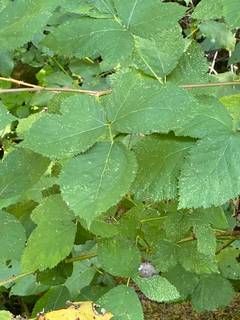
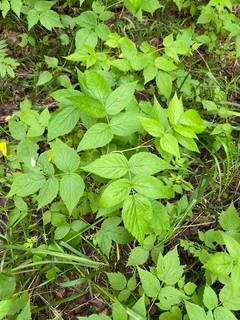
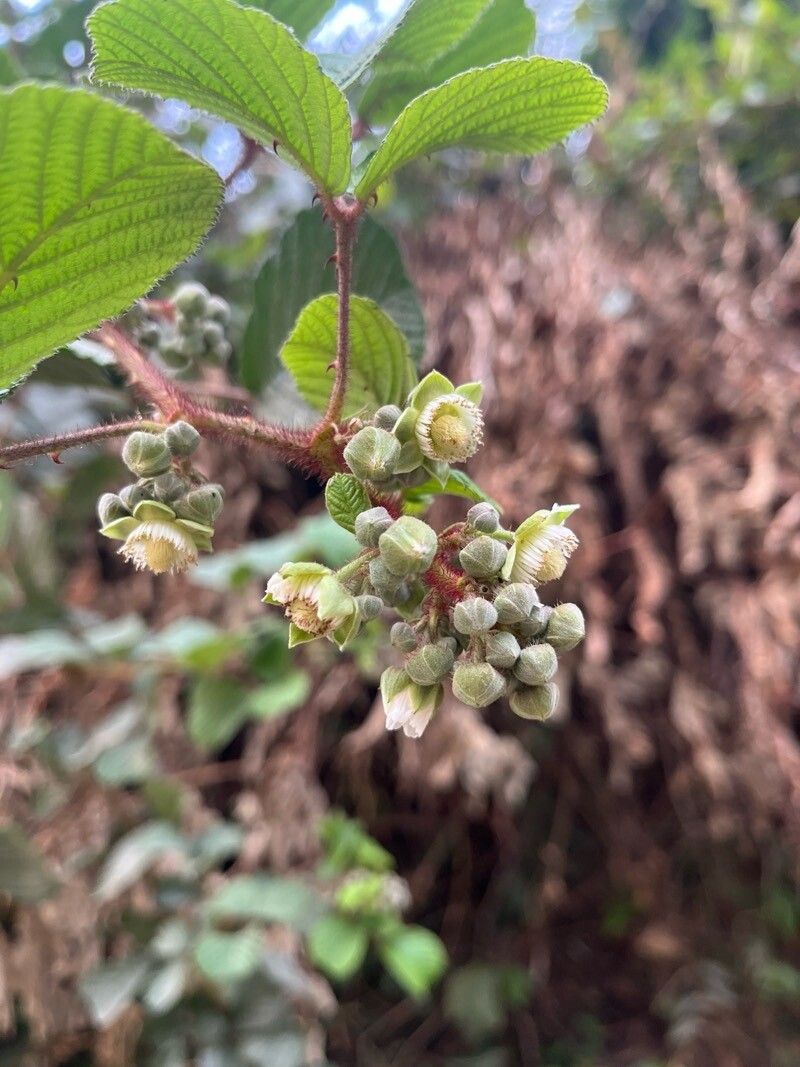
Rubus ellipticus is an evergreen to semi-evergreen woody shrub reaching 6-15 feet (1.8-4.5 m) tall with similar spread, forming dense thickets where established. Stems arching to scrambling, densely covered with stiff red-brown bristles and curved 0.1-0.2 inch (3-5 mm) thorns. Leaves trifoliate; leaflets elliptic to oval, 2-4 inches (5-10 cm) long with serrated margins, dark green above and densely rusty-tomentose below. White 5-petaled flowers, 0.4-0.6 inch (10-15 mm) across, appear in short terminal clusters from March through May. Fruit a yellow to golden aggregate drupe, 0.4-0.6 inch (10-15 mm) wide, ripening April through July; edible, sweet, with flavor similar to Rubus idaeus. Plants spread by rhizomes and arching stems that root at the tip, forming dense impenetrable thickets within 3-5 years. Cold-tender; foliage damaged below 25°F (-4°C) and crowns killed below 15°F (-9°C). Listed as a federal noxious weed in the United States; in Hawaii, where it has naturalized in mid-elevation rainforests, it is classified as a state noxious weed and displaces native understory vegetation across thousands of acres on Hawaii Island and Maui.
Native Range
Native to the Indian subcontinent, Himalayas (Pakistan, Nepal, Bhutan, northern India), Sri Lanka, southern China, and Southeast Asia from Myanmar to the Philippines. Found in subtropical hill forests, forest margins, and disturbed sites at 3,000-7,500 feet (900-2,300 m) elevation. Naturalized in Hawaii, parts of Africa, Australia, and the Americas.Suggested Uses
In its native range, cultivated as a hedgerow fruit at 6-8 foot (1.8-2.4 m) spacing for human consumption and livestock browse. Grown commercially on a small scale for jam and juice in northern India and Nepal. Cultivation is prohibited or restricted in the United States and other regions where the species is listed as invasive.How to Identify
Appearance
Size & Dimensions
Height6' - 15'
Width/Spread6' - 12'
Bloom Information
Flowers from March through May at lower elevations and into June above 5,000 feet (1,500 m). Individual flowers last 3-5 days; total bloom period extends 4-6 weeks per plant. In Hawaii, bloom occurs nearly year-round at mid-elevations with peaks in March-April and September-October.
Detailed Descriptions
Foliage Description
Dark green above, rusty-tomentose belowGrowing Conditions
Sun Requirements
Requires 6-10 hours of direct sunlight daily
• Full Sun: 6+ hours of direct sunlight
• Partial Shade: 3-6 hours of direct sunlight
• Full Shade: Less than 3 hours of direct sunlight
Care & Maintenance
Care Guide
Establishes from seed, root suckers, and stem-tip layering; new plantings spread to fill a 6-foot (1.8 m) area within 2-3 seasons. Mature plants tolerate 4-6 weeks without rain but produce fewer fruit during prolonged drought. Aphids and raspberry leafhoppers may colonize new growth in spring. Cane blight and verticillium wilt occur in poorly drained soils. R. ellipticus is a federal noxious weed in the United States; Hawaii prohibits sale, transport, and intentional cultivation under HRS Chapter 152. Removal of established thickets requires cut-and-paint herbicide treatment of stems and follow-up treatment for 2-3 years to control resprouts.Pruning
Cut canes to ground level in late winter to remove fruited 2-year-old wood; first-year canes (primocanes) bear fruit the following year. In invasive populations, mechanical removal alone produces dense regrowth from rhizomes within 6-12 months. Annual cane thinning to 6-8 stems per square yard (per 0.8 m²) reduces shading and increases fruit production in cultivated settings.Pruning Schedule
Prune: February–March
winterearly spring
Container Growing
Minimum container size: 15 gallons