Rubus, Genus, calycinoides, Species,
- Genus & species
creeping raspberry
Asia: Taiwan, southern China, eastern Himalayas
Overview
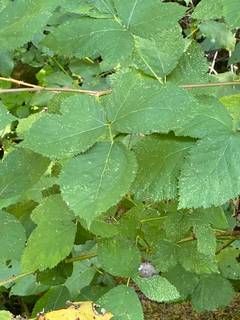
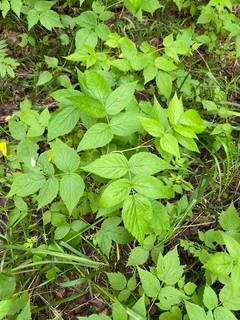
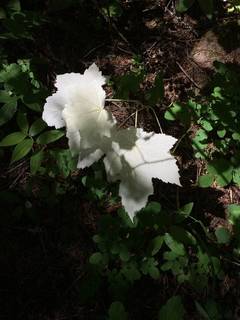
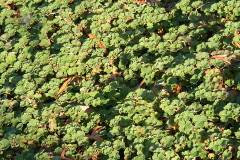
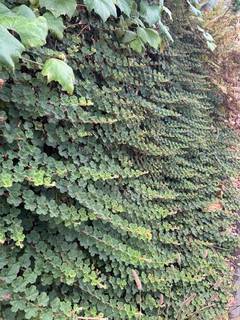
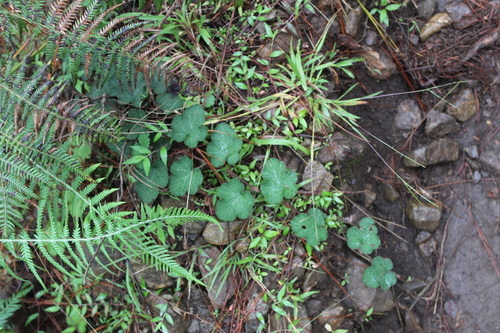
Rubus calycinoides is a low-growing evergreen groundcover reaching 2-6 inches (5-15 cm) tall with stems trailing 3-6 feet (90-180 cm) across after 3-4 years. Stems are wiry, brown, and root readily where they touch moist soil, forming dense interlocking mats. Leaves are nearly round, 1-2.5 inches (2.5-6 cm) wide, with three to five shallow rounded lobes, deep green and crinkled (rugose) on the upper surface and white-felted on the lower surface. Flowers are white, 0.4-0.6 inches (10-15 mm) across, single or in pairs from June through August. Fruit is a small orange to salmon raspberry-like aggregate drupe 0.3-0.5 inches (8-13 mm) across, edible but produced sparsely in cultivation, typically only after warm summers. Foliage takes on bronze to wine-purple tints in winter on exposed sites in zones 6-7. Stems lack the sharp prickles of most Rubus species, bearing only minute bristles. The species is sometimes treated as a synonym of R. pentalobus or R. rolfei; nursery trade usage of the three names varies. Spreading habit and rooting stems make removal difficult once established; small fragments regenerate from cut sections.
Native Range
Native to mountain forests and rocky slopes in Taiwan, southern China, and the eastern Himalayas at 5,000-10,000 feet (1,500-3,000 m) elevation. Introduced as a horticultural groundcover in the late 20th century and now widely planted in temperate gardens worldwide. Not native to North America.Suggested Uses
Used as a slope groundcover, between paving stones, in rock gardens, and trailing over walls in zones 6-9. Spaced 24-36 inches (60-90 cm) apart for groundcover applications; closer spacing in containers and rock gardens. Not suited to small mixed beds or to plantings adjacent to lawn, where it spreads into adjacent areas within 2-3 seasons.How to Identify
Appearance
Size & Dimensions
Height2" - 6"
Width/Spread3' - 6'
Colors
Bloom Information
June through August in zones 6-9; bloom is sparse and often overlooked beneath the foliage canopy. Individual flowers last 3-5 days; the small white blooms are not the primary visual feature of the plant. Bloom is followed by sparse fruit set; most cultivated plantings produce few or no fruits, especially in cool maritime summers.
Detailed Descriptions
Foliage Description
Deep green above, white-felted beneathGrowing Conditions
Sun Requirements
Requires 4-10 hours of direct sunlight daily
• Full Sun: 6+ hours of direct sunlight
• Partial Shade: 3-6 hours of direct sunlight
• Full Shade: Less than 3 hours of direct sunlight
Care & Maintenance
Care Guide
Establish in well-drained loam at pH 5.5-7.0; spacing of 24-36 inches (60-90 cm) apart fills coverage in 2-3 growing seasons. Water during the first growing season to establish; mature plants tolerate brief drought but go partly deciduous in extended summer dryness in zones 6-7. Plants spread aggressively by rooting stems and may become difficult to contain in small beds; root barriers limit migration into adjacent lawns or perennial borders. Phytophthora root rot develops in poorly drained sites and is the most common cause of decline. Few pests trouble the species. Plants tolerate occasional foot traffic but compacted areas develop bare patches that take 1-2 seasons to fill in.Pruning
Mow or shear in late winter (February-March) to remove winter-damaged tissue and stimulate dense regrowth; cut to 2 inches (5 cm) above soil level. Untrimmed plantings develop a layered effect with 1-3 year old growth visible above the soil layer. Stem segments root readily where they fall during pruning; cuttings should be collected and removed to limit unwanted spread.Pruning Schedule
Prune: February–March
winterearly spring
Container Growing
Suitable for container growing
Minimum container size: 3 gallons