Image 1 of 15
1 / 15
Plant Reference
Ribes, Genus, sanguineum, Species,
- Genus & species
red flowering currant
Western North America — British Columbia south through Washington, Oregon to California; dry to moist forest edges, open woodlands, rocky slopes, and disturbed sites
Overview
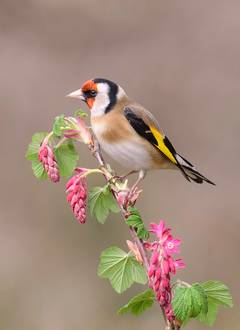
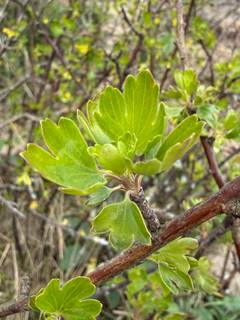
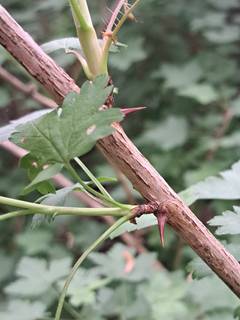
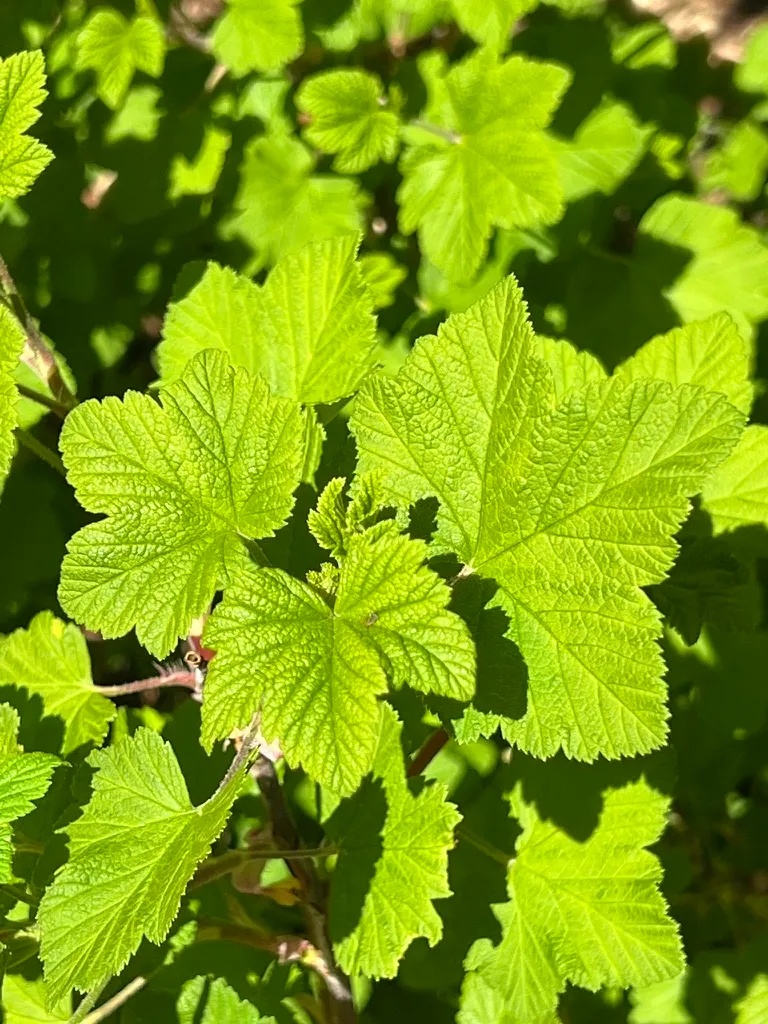
Ribes sanguineum is red flowering currant (blood currant), an upright deciduous shrub growing 4-10 feet (1.2-3 m) tall and 4-8 feet (1.2-2.4 m) wide. Deep pink to rose-red tubular 5-petaled flowers 0.3 inch (8 mm) in pendant racemes 2-4 inches (5-10 cm) of 10-25 flowers in March-May — sanguineum means blood-red. White-flowered forms exist. The bloom period coincides with the spring migration of rufous and Anna's hummingbirds in the Pacific Northwest. Medium to dark green 3-5 lobed (maple-like) aromatic leaves 1.5-4 inches (4-10 cm) — the glandular-hairy surface releases a musky resinous scent when crushed. Blue-black berries 0.3 inch (8 mm) with a whitish waxy bloom in July-August. No spines or prickles. Turns yellow to orange in fall. In Grossulariaceae. Native to western North America — British Columbia through California. Drought-tolerant once established — in the wild it grows on dry rocky slopes with seasonal drought. The aromatic foliage scent is perceived as unpleasant by some — this is the primary aesthetic limitation. Deer browse the foliage. Susceptible to white pine blister rust (Cronartium ribicola) — restricted in some areas near white pine (Pinus strobus) populations. Common cultivars: 'King Edward VII' (deep red, compact), 'Elk River Red' (deep red), 'White Icicle' (white). Non-toxic. Zones 5-9. Part sun to full sun. Growth rate is moderate.
Native Range
Native to western North America — British Columbia south through Washington, Oregon to California. Found on dry to moist forest edges, open woodlands, rocky slopes, and disturbed sites.Suggested Uses
Grown in native plant gardens, woodland edges, informal hedges, and wildlife gardens in Pacific Northwest landscapes spaced 4-8 feet (1.2-2.4 m). Early spring bloom for hummingbirds. Drought-tolerant. Native to western North America. Non-toxic. Zones 5-9.How to Identify
Appearance
Size & Dimensions
Height4' - 10'
Width/Spread4' - 8'
Bloom Information
Early to mid spring (March-May). Deep pink to rose-red tubular flowers 0.3 inch (8 mm) in pendant racemes 2-4 inches (5-10 cm) of 10-25 flowers. 6 weeks of bloom. Hummingbird-, bee-, and butterfly-visited. Blue-black berries follow in July-August.
Detailed Descriptions
Flower Description
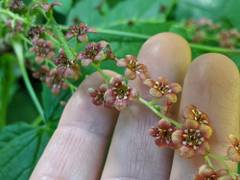
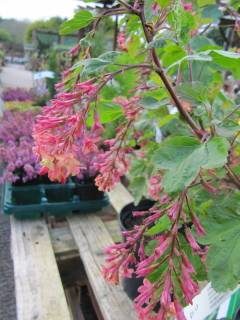
Deep pink to rose-red, tubular, 5-petaled, 0.3 inch (8 mm), in pendant racemes 2-4 inches (5-10 cm) of 10-25 flowers; sanguineum = blood-red; white-flowered forms existFoliage Description
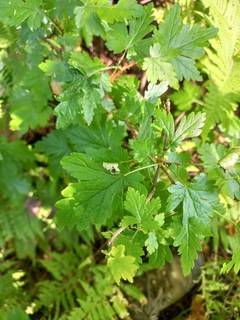
Medium to dark green, 3-5 lobed (maple-like), 1.5-4 inches (4-10 cm) across, aromatic when crushed — the glandular-hairy leaf surface releases a musky resinous scent; turns yellow to orange in fallGrowing Conditions
Sun Requirements
Requires 3-10 hours of direct sunlight daily
• Full Sun: 6+ hours of direct sunlight
• Partial Shade: 3-6 hours of direct sunlight
• Full Shade: Less than 3 hours of direct sunlight
Care & Maintenance
Care Guide
Part sun to full sun (3-10 hours). Well-drained soil pH 5.5-7.5 — tolerates rocky and clay soils. Drought-tolerant once established. Restricted in some areas near white pine populations (blister rust host). Deer browse. Prune after flowering (May-June). Non-toxic. Zones 5-9.Pruning
Prune after flowering (May-June) — blooms on old (previous season's) wood. Remove 1/4-1/3 of the oldest stems at ground level annually for renewal. The upright multi-stemmed form is natural. Do not shear.Pruning Schedule
Prune: May–June
late spring