Ribes, Genus, cereum, Species,
- Genus & species
wax currant
Overview
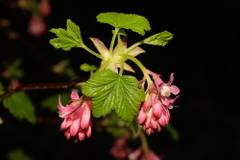
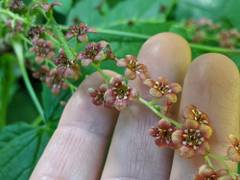
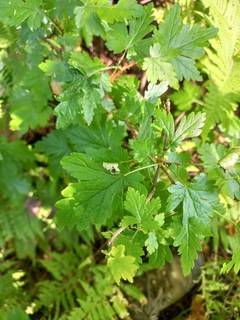
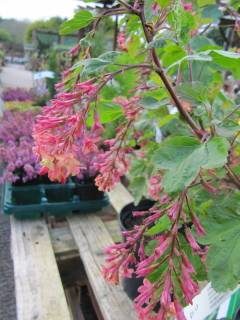
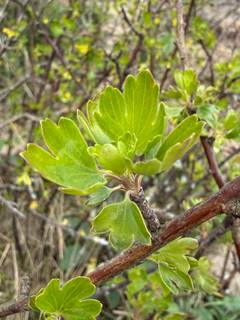
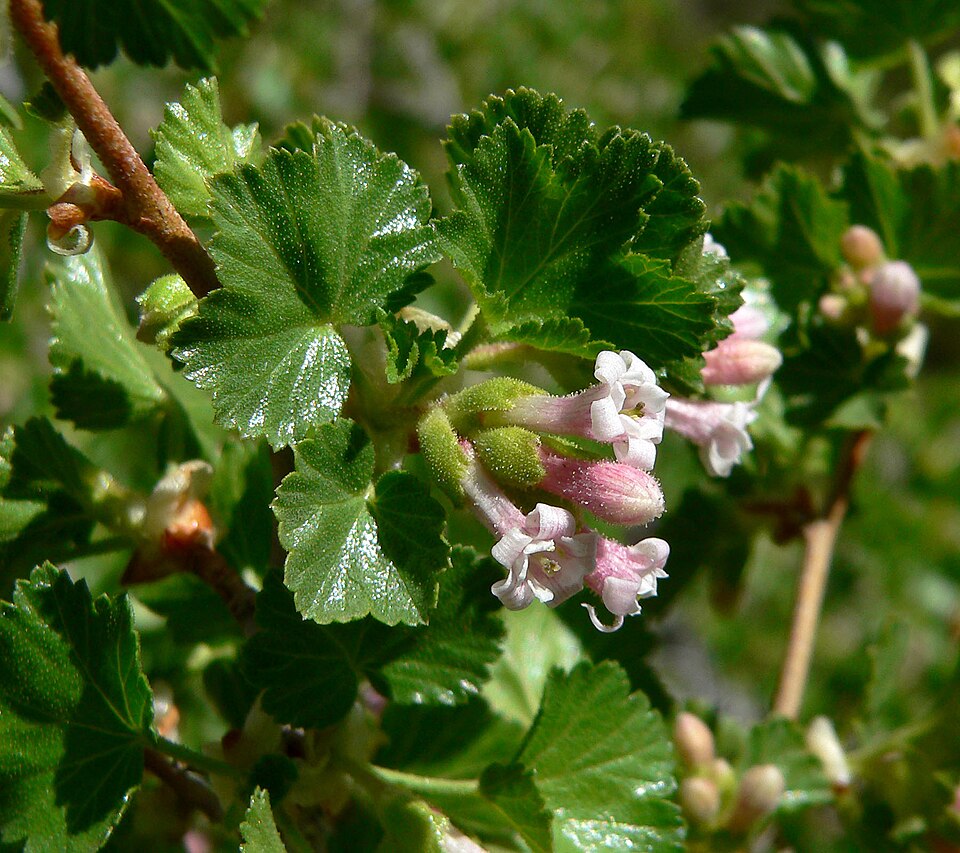
Ribes cereum is a deciduous shrub of western North America, forming a rounded, densely branched mound 2-5 feet (0.6-1.5 m) tall and wide. The small, fan-shaped leaves are 0.5-1.5 inches (1-4 cm) across, gray-green, waxy, and aromatic when crushed. Tubular flowers 0.25-0.5 inch (6-13 mm) long hang in small clusters from spring into early summer, white to pale pink, opening before or with the leaves. Bright red berries 0.25 inch (6 mm) across follow in summer, edible but dry and seedy. The shrub grows on dry slopes, rocky ridges, and open conifer forest from foothills to subalpine elevations, withstanding cold, wind, and summer drought. It serves as an alternate host for white pine blister rust, and its planting near five-needle pines is regulated in some areas. The tart fruit and dense twigs shelter and feed birds. The plain summer foliage and small flowers give limited seasonal change.
Native Range
Native to western North America, from British Columbia south through the Rocky Mountains, Great Basin, and Sierra Nevada to California, Arizona, and New Mexico.Suggested Uses
Used in dry native plant gardens, wildlife plantings, and erosion control on slopes. The drought tolerance suits unirrigated and montane settings. It combines with sagebrush, penstemons, and other western dryland plants.How to Identify
Appearance
Size & Dimensions
Height2' - 5'
Width/Spread2' - 5'
Colors
Bloom Information
Detailed Descriptions
Flower Description
white to pale pinkFoliage Description
gray-greenGrowing Conditions
Sun Requirements
Requires 6-12 hours of direct sunlight daily
• Full Sun: 6+ hours of direct sunlight
• Partial Shade: 3-6 hours of direct sunlight
• Full Shade: Less than 3 hours of direct sunlight
Care & Maintenance
Care Guide
Grows in full sun to part shade in dry, rocky, well-drained soils with a pH of 6.0-7.5. Established plants tolerate cold, wind, and extended drought and need no summer water in most of their range. Soil that stays wet causes root problems on this dry-climate species. The shrub serves as an alternate host for white pine blister rust, and its planting near commercial five-needle pines is regulated in some states. Hardy in USDA zones 4-8. Aphids and leaf spot occur but rarely cause lasting harm.Pruning
Older stems are thinned at the base in late winter to renew the shrub and improve airflow. Light shaping after flowering keeps the mound dense. Hard renewal cutting every few years restores vigor to aging plants.Pruning Schedule
Prune: February
winter