Ribes, Genus, sanguineum, Species, 'Pulborough Scarlet', Cultivar,
- Genus & species
- Cultivar
Pulborough scarlet currant
W North America (BC to California; dry open woodlands; Pulborough Scarlet named for Pulborough, West Sussex England; deepest red; most vigorous)
Overview
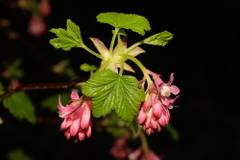
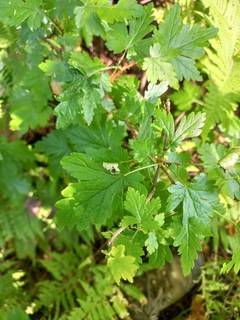
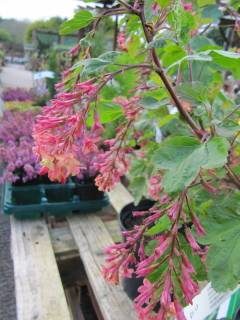
Ribes sanguineum 'Pulborough Scarlet' is a deciduous shrub reaching 6-10 feet (1.8-3 m) tall with a spread of 5-8 feet (1.5-2.4 m) and a vigorous, upright, arching habit. It produces pendant racemes 3-5 inches (8-13 cm) long of tubular flowers in deep scarlet-red to dark crimson—the deepest red of the R. sanguineum cultivars—in March-April, among the earliest-blooming deciduous shrubs. The lobed, maple-like leaves 1.5-3 inches (4-8 cm) wide are medium to dark green with a slightly musky scent when crushed. Growth rate is moderate to fast. Hardy to zone 6. Named for the village of Pulborough, West Sussex, England. The most vigorous and darkest-flowered red flowering currant. Small blue-black berries with waxy bloom follow the flowers.
Native Range
Ribes sanguineum is native to western North America—from British Columbia south to central California—in dry, open woodlands, forest edges, and rocky slopes.Suggested Uses
Planted in borders, hedgerows, or wildlife gardens at 5-6 foot (1.5-1.8 m) spacing. Deepest red flowering currant—dark scarlet-crimson. Early spring bloom (Mar-Apr). Vigorous—needs space (6-10 feet). Hummingbird magnet. Blue-black berries for birds. Not suitable for small spaces or where compact habit is needed.How to Identify
Appearance
Size & Dimensions
Height6' - 10'
Width/Spread5' - 8'
Bloom Information
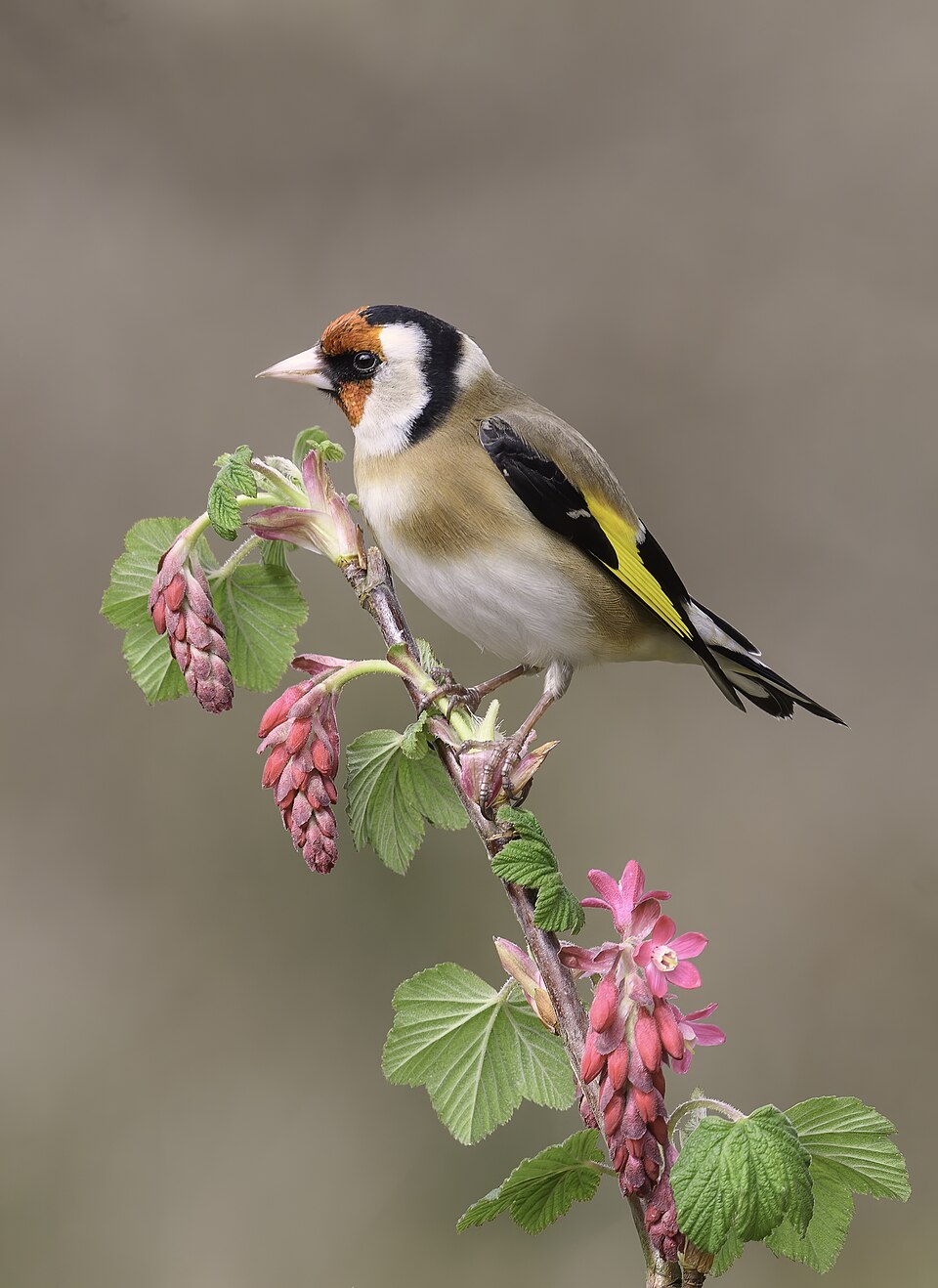
Pendant racemes 3-5 inches (8-13 cm) of tubular deep scarlet-red to dark crimson flowers, March-April—among the earliest deciduous shrub flowers. Bloom duration 3-4 weeks. Followed by small blue-black berries with waxy bloom (edible but bland).
Detailed Descriptions
Flower Description
Deep scarlet-red to dark crimson; tubular; pendant racemes 3-5 inches; Mar-Apr; deepest red in R. sanguineumFoliage Description
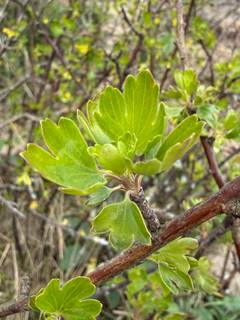
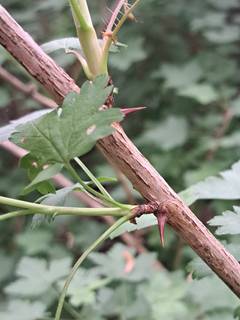
Medium to dark green; lobed maple-like 1.5-3 inches; slightly musky scent when crushed; deciduousGrowing Conditions
Sun Requirements
Requires 4-10 hours of direct sunlight daily
• Full Sun: 6+ hours of direct sunlight
• Partial Shade: 3-6 hours of direct sunlight
• Full Shade: Less than 3 hours of direct sunlight
Care & Maintenance
Care Guide
Plant in full sun to partial shade in well-drained soil (pH 5.5-7.0). Hardy to zone 6. Vigorous grower—allow space. Drought tolerant once established—native to dry W North American woodlands. Pest and disease resistant. The musky leaf scent is normal.Pruning
Prune after flowering. Remove one-third of oldest stems at the base annually to maintain vigor and control size. Responds well to hard renewal pruning. Vigorous—may need annual size management.Pruning Schedule
Prune: April–May
early springlate spring