Ribes, Genus, rubrum, Species,
- Genus & species
red currant
Overview
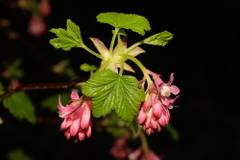
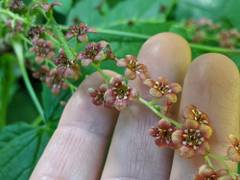
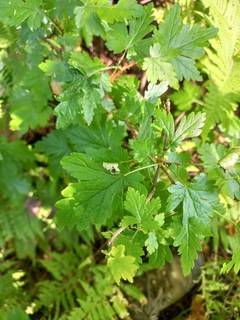
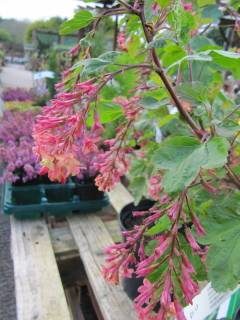
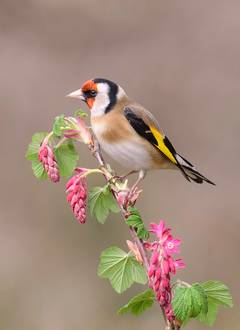
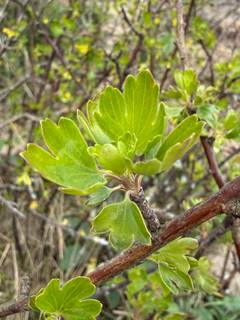
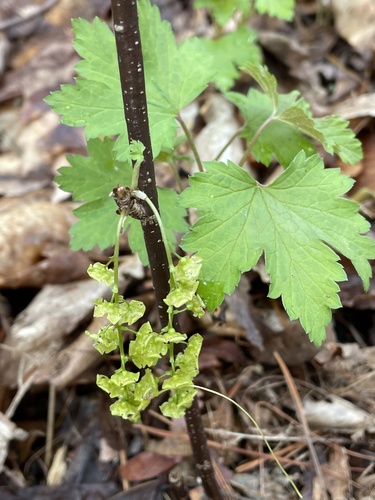
Ribes rubrum is a deciduous shrub growing 3-5 feet (90-150 cm) tall and wide, forming a clump of upright, spineless woody stems from the base. The leaves are palmately three- to five-lobed, 1.5-3 inches (4-8 cm) across, mid-green with toothed margins, turning yellow before falling in autumn. Greenish to yellow-green flowers hang in slender drooping racemes of 8-20 in spring, each flower small and saucer-shaped. The flowers are followed by hanging strings of round, translucent red berries 0.2-0.4 inch (6-10 mm) across, ripening from midsummer. The berries are edible and tart, with abundant juice. The shrub fruits on short spurs along older wood and at the base of one-year-old shoots. It is shallow-rooted and crops most heavily in cool summers; fruit may scorch in hot, dry sun. Leaves and stems carry no spines, in contrast to the related gooseberry Ribes uva-crispa.
Native Range
Native to western and central Europe, from France and Belgium east to Germany and Poland. Grows in damp woodland, hedgerows, and streamsides on moist, fertile soils. It has been cultivated for its fruit for centuries and is naturalised widely beyond its native range.Suggested Uses
Grown in fruit gardens and kitchen gardens for its edible berries, used fresh, in preserves, and in juice. Trained as an open bush, a cordon, or a fan against walls and fences, and spaced 4-5 feet (1.2-1.5 m) apart as bushes. Tolerates a shaded wall, which extends picking later into summer.How to Identify
Appearance
Size & Dimensions
Height3' - 5'
Width/Spread3' - 5'
Bloom Information
Greenish racemes open from April to May, with peak bloom in late April. Flowers are pollinated by bees and other insects over two to three weeks. Cool, settled weather during flowering improves fruit set. Berries follow and ripen from late June into July.
Detailed Descriptions
Flower Description
greenish to yellow-greenFoliage Description
mid-greenGrowing Conditions
Sun Requirements
Requires 4-8 hours of direct sunlight daily
• Full Sun: 6+ hours of direct sunlight
• Partial Shade: 3-6 hours of direct sunlight
• Full Shade: Less than 3 hours of direct sunlight
Care & Maintenance
Care Guide
Grows in full sun to partial shade on moist, fertile, well-drained soils and tolerates a wide pH range. It crops most heavily in cool summers and in regions with a defined winter chill, which the flower buds require. Water during dry spells while the fruit is swelling, as drought reduces berry size. Mulch in spring to conserve moisture over the shallow roots. Birds strip ripening fruit, and netting is used where crops are grown for picking. Aphids, currant blister, and sawfly larvae may affect the foliage in some seasons.Pruning
Prune in winter when dormant, removing crowded, crossing, and old unproductive stems to keep an open framework of 8-10 main branches. Shorten side shoots to one or two buds to build fruiting spurs. Red currants fruit on old wood and the base of young shoots, so light, regular pruning maintains cropping. Neglected bushes become congested and fruit size declines.Container Growing
Suitable for container growing
Minimum container size: 5 gallons