Rhus, Genus, typhina, Species, 'Dissecta', Cultivar,
- Genus & species
- Cultivar
cutleaf staghorn sumac
Cultivar selected from {R. typhina}, which is native to eastern North America — from Quebec to Georgia, west to Minnesota and Iowa
Overview
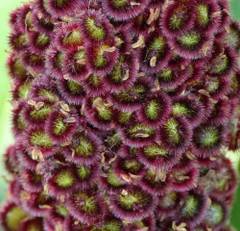
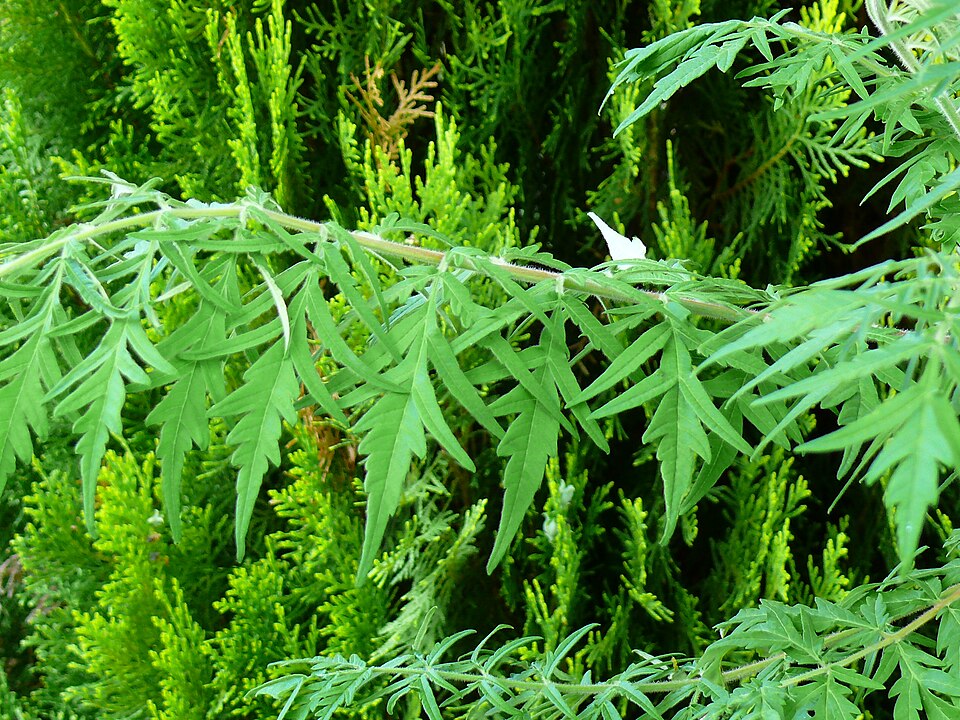
Rhus typhina 'Dissecta' is cutleaf staghorn sumac (laceleaf sumac), a spreading deciduous shrub growing 6-10 feet (1.8-3 m) tall and 8-12 feet (2.4-3.6 m) wide — smaller and wider-spreading than the species type R. typhina (15-25 feet / 4.5-7.5 m tall). Bipinnately compound finely dissected fern-like leaflets along a central rachis 12-24 inches (30-60 cm) — the leaflets are much more finely cut than the simply pinnate species type. Yellow-green flowers in dense conical panicles in June. Female plants produce dense upright conical clusters of dark red fuzzy drupes that persist through winter. Turns orange, red, scarlet, and yellow in fall. In Anacardiaceae. Cultivar selected from R. typhina, native to eastern North America. Like the species, spreads aggressively by root suckers to form colonies — this suckering is the primary maintenance limitation. Individual suckers emerge 10-30 feet (3-9 m) from the parent. The spreading mounded form (wider than tall) and the finely dissected foliage give a tropical fern-like texture. Suckers from 'Dissecta' may revert to the simply pinnate species leaf form. Not to be confused with poison sumac (Toxicodendron vernix — white berries, wet habitats). Tolerates drought, poor soil, and a range of pH (5.5-7.5). Deer-resistant. Non-toxic. Zones 3-8. Full sun to partial shade. Growth rate is fast.
Native Range
Cultivar selected from R. typhina, native to eastern North America — from Quebec to Georgia, west to Minnesota and Iowa.Suggested Uses
Grown in naturalistic landscapes, slopes, and large borders where suckering is acceptable, spaced 8-12 feet (2.4-3.6 m). Finely dissected fern-like foliage. Spreading mounded form. Persistent red fruit clusters on female plants. Aggressive suckering. Native species cultivar. Non-toxic. Zones 3-8.How to Identify
Appearance
Size & Dimensions
Height6' - 10'
Width/Spread8' - 12'
Bloom Information
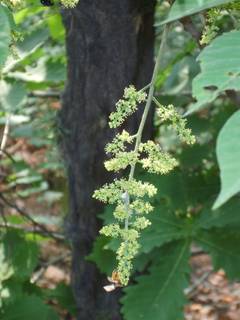
Early summer (June). Yellow-green tiny flowers in dense upright conical panicles 3-6 inches (7-15 cm). Dioecious — most 'Dissecta' in cultivation are female. 2 weeks. Bee- and butterfly-visited. Red fuzzy drupes persist through winter.
Detailed Descriptions
Flower Description
Yellow-green, tiny, in dense upright conical panicles 3-6 inches (7-15 cm); dioecious — most 'Dissecta' in cultivation are female clonesFoliage Description
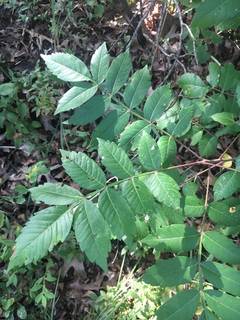
Medium green, bipinnately compound with finely dissected fern-like leaflets — much more finely cut than the species type; the central rachis 12-24 inches (30-60 cm); turns orange, red, scarlet, and yellow in fallGrowing Conditions
Sun Requirements
Requires 4-10 hours of direct sunlight daily
• Full Sun: 6+ hours of direct sunlight
• Partial Shade: 3-6 hours of direct sunlight
• Full Shade: Less than 3 hours of direct sunlight
Care & Maintenance
Care Guide
Full sun to partial shade (4-10 hours). Any well-drained soil pH 5.5-7.5. Drought-tolerant once established. Spreads aggressively by root suckers — remove unwanted suckers regularly. Suckers may revert to the simply pinnate species leaf form — remove reverted suckers. Not for small gardens. Prune in winter (January-February). Deer-resistant. Non-toxic. Zones 3-8.Pruning
Prune in winter (January-February). Remove unwanted root suckers to control colony spread. Remove any suckers showing reverted (simply pinnate) foliage — these are species-type reversions. Can be coppiced to ground level in late winter for vigorous 4-6 foot (1.2-1.8 m) regrowth with larger dissected leaves.Pruning Schedule
Prune: January–February
winter
Container Growing
Minimum container size: 15 gallons