Rhus, Genus, spp., Multiple species,
- Genus
- Multiple species
sumacs
Temperate and subtropical North America, Europe, Asia, and Africa
Overview
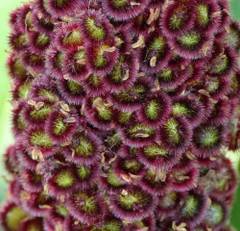
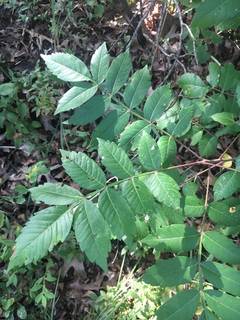
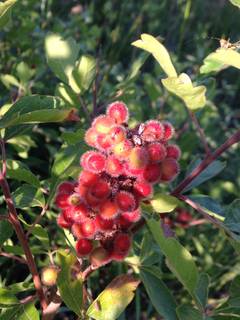
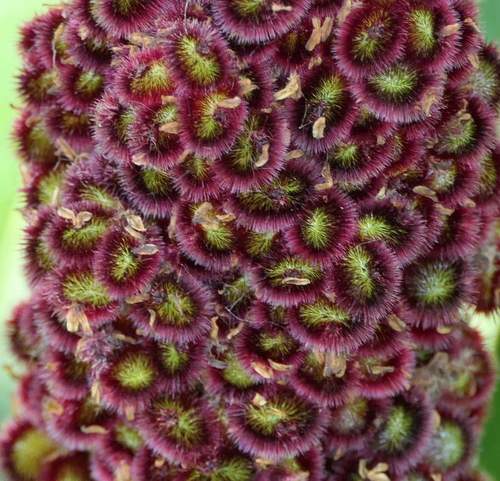
Rhus is a genus of about 35 species of deciduous and evergreen shrubs and small trees in the cashew family (Anacardiaceae), called sumac, native across temperate and subtropical regions of North America, Europe, Asia, and Africa. Most species grow 3 to 30 ft (1 to 9 m) tall, spreading by root suckers into broad clonal thickets, with pinnately compound leaves that in deciduous species turn deep red, orange, and purple in autumn. Small greenish to cream flowers open in dense upright or branched clusters in summer, the sexes usually on separate plants, and the female plants carry tight cones of fuzzy red drupes that hold through winter. The sour red fruit of several species is ground as the spice sumac and steeped into a tart drink, and birds feed on it in late winter. The genus grows on dry slopes, woodland edges, old fields, and roadsides, where its suckering roots stabilize banks and form colonies. Rhus is separate from poison sumac and poison ivy, which were moved to the genus Toxicodendron; true Rhus species are not the source of those rashes, though their sap can irritate sensitive skin.
Native Range
Rhus is native to temperate and subtropical North America, Europe, Asia, and Africa, with many species in the eastern and southwestern United States, Mexico, and East Asia. It grows on dry slopes, prairie edges, open woods, old fields, fencerows, and roadsides.Suggested Uses
Rhus is grown for autumn foliage and persistent red fruit in shrub borders, wild and native plantings, and on banks and slopes where suckering roots control erosion. The fruit is harvested as the spice sumac and for a tart drink, and the seed heads feed birds in winter.How to Identify
Appearance
Size & Dimensions
Height3' - 30'
Width/Spread5' - 25'
Bloom Information
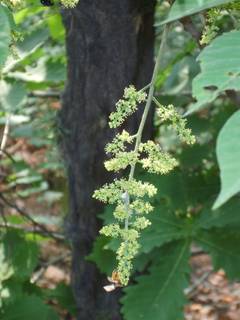
Rhus flowers in early to mid summer, roughly June to July, with dense clusters of small greenish to cream flowers, usually with male and female flowers on separate plants. The female clusters ripen into cones of red drupes by late summer. The fruit holds on the plant through autumn and winter.
Detailed Descriptions
Flower Description
greenish to creamFoliage Description
green, turning red, orange, and purple in autumn in deciduous speciesGrowing Conditions
Sun Requirements
Requires 4-12 hours of direct sunlight daily
• Full Sun: 6+ hours of direct sunlight
• Partial Shade: 3-6 hours of direct sunlight
• Full Shade: Less than 3 hours of direct sunlight
Care & Maintenance
Care Guide
Rhus grows in full sun to part shade on almost any well-drained soil, including poor, dry, sandy, and rocky ground, at pH 5.5 to 7.5, and tolerates drought and heat once established. It spreads by root suckers into wide colonies, so it suits banks, wild areas, and large spaces more than small borders. Most species are hardy across USDA zones 3 to 9 and need no feeding or irrigation. Wet, heavy soil and deep shade weaken the plants and dull the autumn color. Suckers are removed or mowed to keep a colony in bounds, or the plant is grown where it can spread freely.Pruning
Sumac is cut back hard in late winter to control size and renew the foliage, and removing root suckers limits the colony's spread. Dead and crossing stems are taken out at the same time. Cutting a sucker-grown clump to the ground every few years keeps it dense and low.Pruning Schedule
Prune: February
winter