Image 1 of 17
1 / 17
Plant Reference
Rhus, Genus, typhina, Species,
- Genus & species
staghorn sumac
Eastern North America — from Quebec to Georgia, west to Minnesota and Iowa; roadsides, forest edges, abandoned fields, and disturbed areas on well-drained soils
Overview
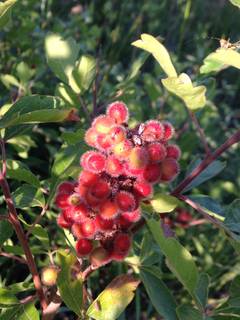
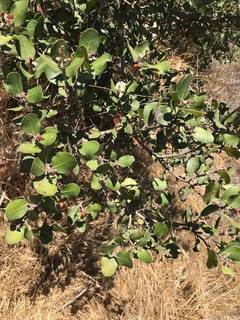
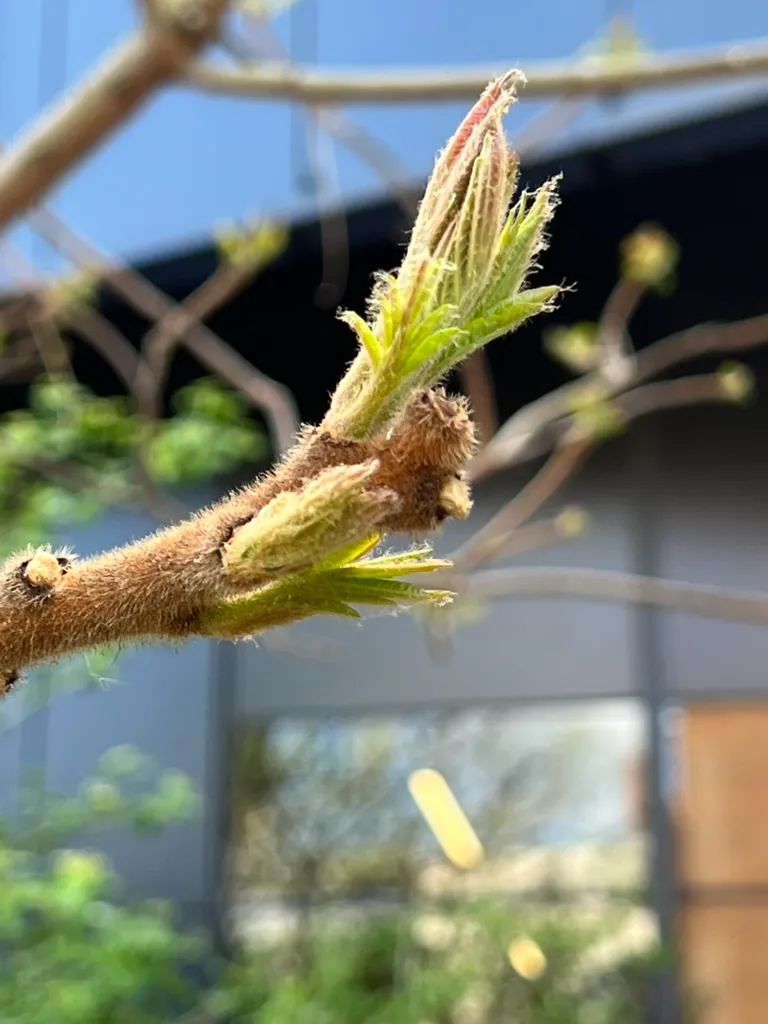
Rhus typhina is staghorn sumac (velvet sumac), an upright deciduous large shrub or small tree growing 15-25 feet (4.5-7.5 m) tall and 15-25 feet (4.5-7.5 m) wide. Pinnately compound leaves with 11-31 serrated leaflets along a central rachis 12-24 inches (30-60 cm). The young stems are densely covered with soft brown velvety hairs — resembling deer antler velvet (hence staghorn). Dioecious — female plants produce dense upright conical clusters of dark red fuzzy drupes 4-8 inches (10-20 cm) that persist through winter. Yellowish-green flowers in June-July. Turns scarlet, orange, and red in fall. In Anacardiaceae. Native to eastern North America. Spreads aggressively by root suckers to form large colonies — this suckering is the primary maintenance limitation. Individual root suckers emerge 10-30 feet (3-9 m) from the parent trunk. Not for small or formal landscapes. Not to be confused with poison sumac (Toxicodendron vernix) — R. typhina has red fuzzy fruit, not white berries, and grows on dry (not wet) sites. Tolerates drought, poor soil, rocky soil, and alkaline conditions (pH 5.0-8.0). Deer-resistant. Non-toxic (edible tart fruit). Zones 3-8. Full sun to partial shade. Growth rate is fast.
Native Range
Native to eastern North America — from Quebec to Georgia, west to Minnesota and Iowa. Found on roadsides, forest edges, abandoned fields, and disturbed areas on well-drained soils.Suggested Uses
Grown in naturalistic landscapes, meadow edges, roadside plantings, slopes, and disturbed sites where suckering spread is acceptable, spaced 15-25 feet (4.5-7.5 m). Persistent red fruit clusters on female plants. Scarlet fall color. Aggressive suckering — not for small gardens. Native to North America. Non-toxic. Zones 3-8.How to Identify
Appearance
Size & Dimensions
Height15' - 25'
Width/Spread15' - 25'
Bloom Information
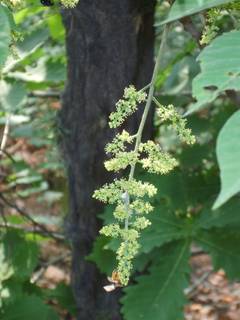
Early summer (June-July). Yellowish-green tiny flowers in dense upright conical panicles 4-8 inches (10-20 cm). Dioecious. 3 weeks. Bee- and butterfly-visited. Dark red fuzzy drupes on female plants persist through winter.
Detailed Descriptions
Flower Description
Yellowish-green, tiny, in dense upright conical panicles 4-8 inches (10-20 cm) at branch tips; dioecious — male and female on separate plantsFoliage Description
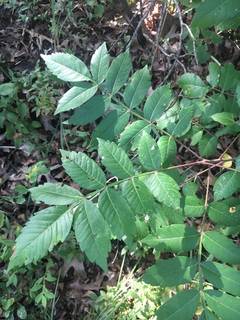
Dark green, pinnately compound with 11-31 serrated leaflets each 2-4 inches (5-10 cm) long arranged along a central rachis 12-24 inches (30-60 cm); the young stems are densely covered with soft brown velvety hairs — resembling deer antler velvet (hence staghorn); turns scarlet, orange, and red in fallGrowing Conditions
Sun Requirements
Requires 4-12 hours of direct sunlight daily
• Full Sun: 6+ hours of direct sunlight
• Partial Shade: 3-6 hours of direct sunlight
• Full Shade: Less than 3 hours of direct sunlight
Care & Maintenance
Care Guide
Full sun to partial shade (4-12 hours). Any well-drained soil pH 5.0-8.0 — tolerates drought, poor soil, rocky soil, and alkaline conditions. Spreads aggressively by root suckers — remove unwanted suckers regularly. Not for small or formal spaces. Prune in winter (January-February). Not poison sumac (poison sumac has white berries, wet habitats). Deer-resistant. Non-toxic. Zones 3-8.Pruning
Prune in winter (January-February). Remove unwanted root suckers to control colony spread. Can be coppiced (cut to ground) in late winter for a single season of vigorous 6-8 foot (1.8-2.4 m) regrowth with larger-than-normal compound leaves. Remove dead or crossing stems.Pruning Schedule
Prune: January–February
winter