Rhus, Genus, integrifolia, Species,
- Genus & species
lemonade berry
Coastal Southern California and Baja California
Overview
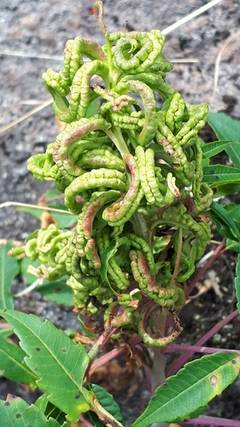
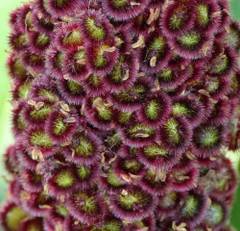
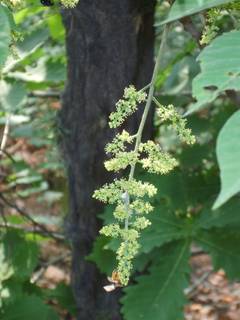
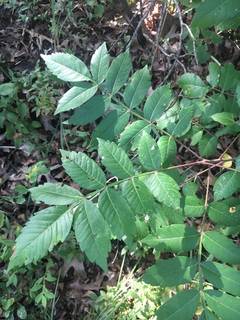
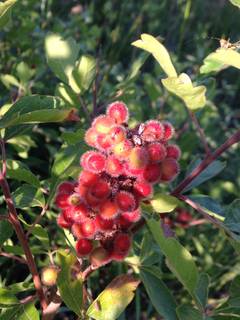
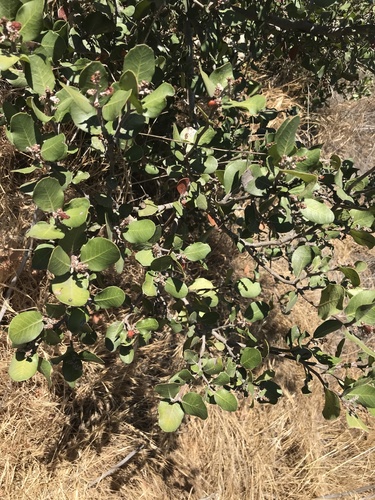
Rhus integrifolia, lemonade berry, is an evergreen shrub of the coastal bluffs and canyons of southern California and Baja California, usually 3-10 feet (0.9-3 m) tall but reaching 30 feet (9 m) as a small tree in sheltered sites. It forms a dense, rounded mound of stiff branches clothed in leathery, dark green leaves that are oval, 1-2.5 inches (2.5-6 cm) long, flat or slightly folded, and sometimes toothed. Clusters of small pink to white flowers open from winter into spring at the branch tips. These give way to flattened reddish berries coated in sticky, glandular hairs and a tart, acidic film; soaked in water they make a lemonade-like drink, the source of the common name. The shrub tolerates drought, salt spray, and poor soils once established and resprouts after fire from a woody base. It is sensitive to hard frost and is damaged below about 20F (-7C), which restricts it to mild coastal and near-coastal gardens. Its eventual width and dense growth call for room and occasional thinning.
Native Range
Native to the coastal sage scrub and chaparral of southern California and Baja California, Mexico, mostly within a few miles of the ocean. It grows on bluffs, canyon slopes, and dunes.Suggested Uses
Used for informal screens, clipped hedges, bank stabilization, and habitat plantings in coastal and dry-climate gardens. It suits seaside sites for its salt tolerance and serves in fire-resprouting native landscapes. Its size suits larger spaces or hedging rather than small beds.How to Identify
Appearance
Size & Dimensions
Height3' - 10'
Width/Spread8' - 15'
Bloom Information
Detailed Descriptions
Flower Description
pink to whiteFoliage Description
dark green, leatheryGrowing Conditions
Sun Requirements
Requires 6-10 hours of direct sunlight daily
• Full Sun: 6+ hours of direct sunlight
• Partial Shade: 3-6 hours of direct sunlight
• Full Shade: Less than 3 hours of direct sunlight