Rhus, Genus, lanceolata, Species,
- Genus & species
prairie flameleaf sumac
Overview
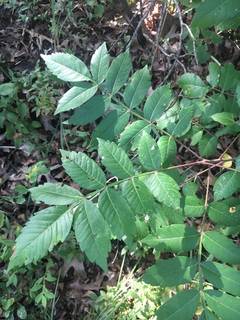
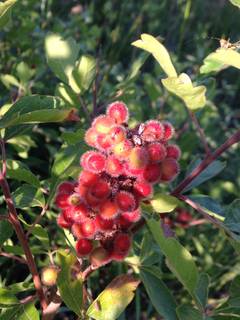
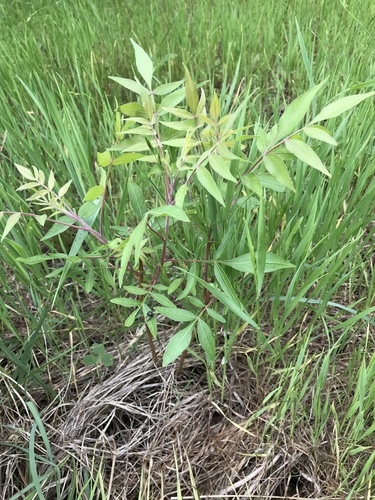
Rhus lanceolata is a deciduous large shrub or small tree in the cashew family that grows 10–30 feet (3–9 m) tall and spreads by root suckers to form thickets. The compound leaves are 4–9 inches (10–23 cm) long with 9 to 21 narrow, lance-shaped leaflets along a rachis that is narrowly winged between the leaflets. Foliage is glossy green in summer and turns red to orange-red in autumn before dropping. In early to midsummer the plant carries dense, branched clusters of small greenish-white flowers 4–6 inches (10–15 cm) long at the branch tips. Female plants follow with tight clusters of small, hairy, red drupes about 0.2 inch (5 mm) across that ripen in autumn and persist into winter. The bark is smooth and gray on young stems, becoming scaly with age. Rhus lanceolata grows on dry limestone soils, rocky slopes, fencerows, and the edges of woodland across central Texas and adjacent states. It tolerates drought, heat, and alkaline soils once established, but the suckering habit can spread it into a colony, and it does not grow in wet or poorly drained sites. The red drupes are eaten by birds and were used to make a tart drink.
Native Range
Native to the south-central United States, mainly central and western Texas with populations in Oklahoma, New Mexico, and northern Mexico. It grows on dry limestone hills, rocky slopes, grassland edges, and fencerows.Suggested Uses
Rhus lanceolata is used in native and wildlife plantings, on dry slopes, and for erosion control on rocky or alkaline ground. Its autumn color suits naturalized borders and large screens where the suckering habit can spread. The fruit feeds birds and small mammals through winter.How to Identify
Appearance
Size & Dimensions
Height10' - 30'
Width/Spread10' - 20'
Bloom Information
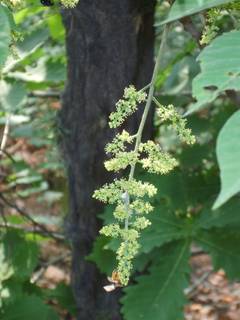
Greenish-white flowers open in dense terminal clusters in early to midsummer, generally June and July. Male and female flowers grow on separate plants, so only female plants set fruit. Red drupes ripen in autumn and hold on the branches into winter.
Detailed Descriptions
Foliage Description
green, turning red in autumnGrowing Conditions
Sun Requirements
Requires 6-12 hours of direct sunlight daily
• Full Sun: 6+ hours of direct sunlight
• Partial Shade: 3-6 hours of direct sunlight
• Full Shade: Less than 3 hours of direct sunlight
Care & Maintenance
Care Guide
Rhus lanceolata grows in full sun to part shade on dry, well-drained soils including limestone, caliche, and rocky ground, and tolerates alkaline conditions. It needs little water once established and withstands heat and drought. The plant suckers from the roots and forms colonies, so it spreads unless the suckers are cut back. Seed germinates after scarification, and root suckers transplant readily. It does not grow well in wet, heavy, or poorly drained soils. Autumn color develops most strongly in full sun.Pruning
Rhus lanceolata can be pruned in late winter while dormant to raise a single trunk or to remove dead and crossing branches. Root suckers can be cut or mowed to keep the plant as a single specimen rather than a thicket. It resprouts readily after cutting.Pruning Schedule
Prune: January–February
winter