Rhus, Genus, trichocarpa, Species,
- Genus & species
hairy-fruited sumac
East Asia (Japan, Korea, China; open woodlands and forest margins; trichocarpa = hairy fruit; lighter suckering than R. typhina; sap contains urushiol-related skin irritant compounds)
Overview
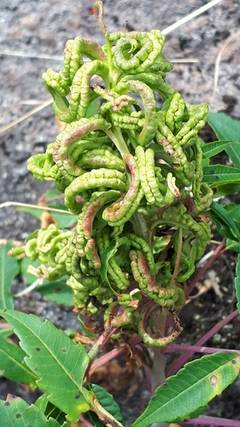
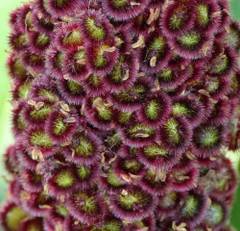
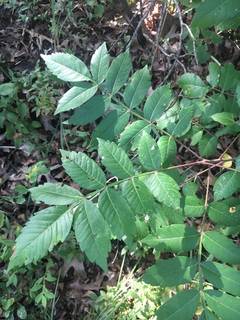
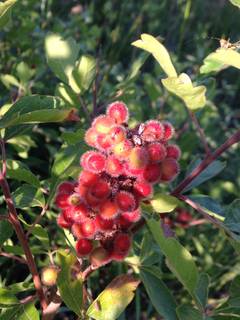
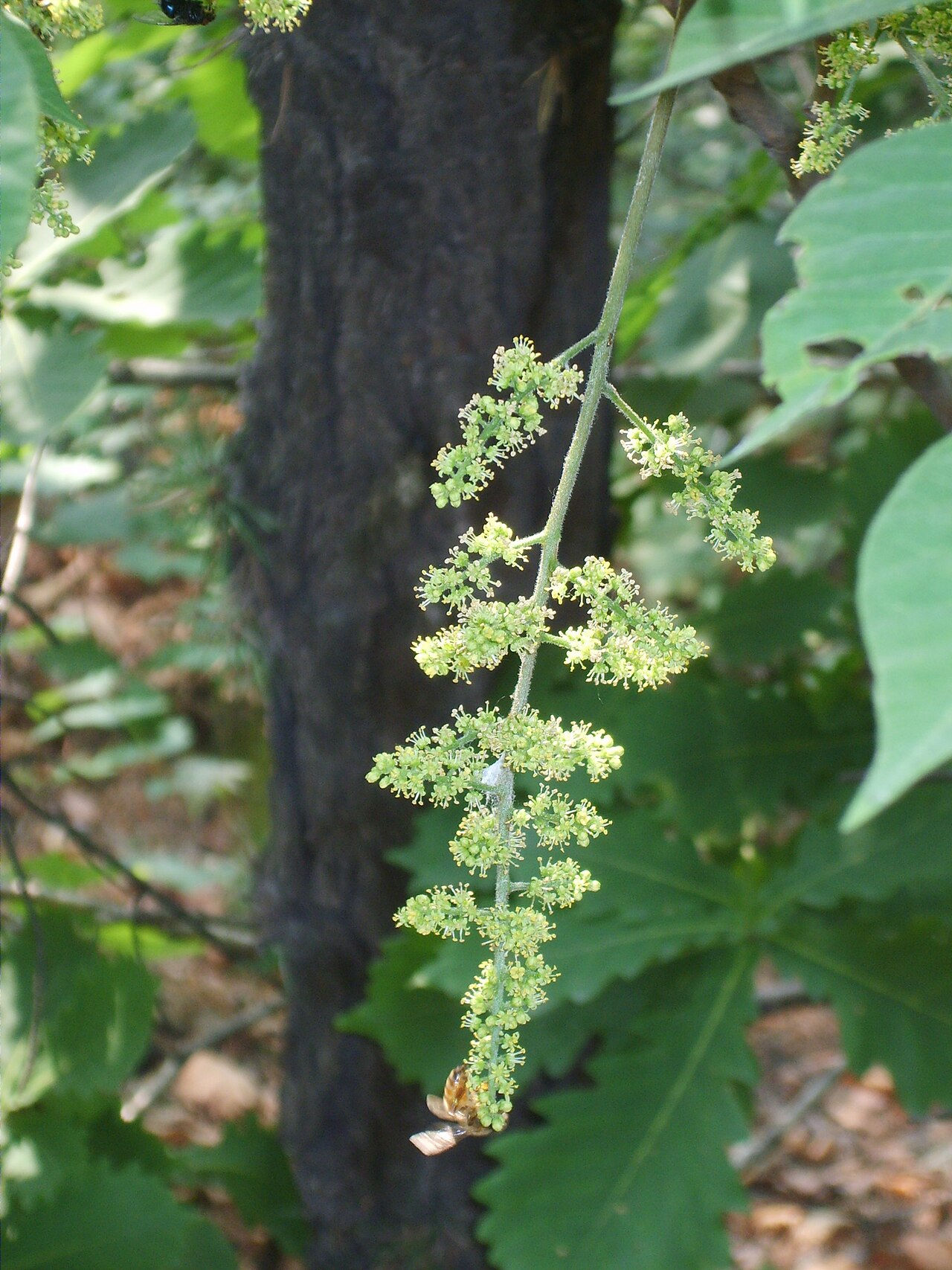
Rhus trichocarpa is a deciduous shrub to small tree in the cashew family (Anacardiaceae) reaching 15–25 feet (4.5–7.5 m) tall with a spread of 10–15 feet (3–4.5 m), carrying an upright open loosely-branching habit. The pinnately compound leaves carry 7–13 leaflets each 2–4 inches (5–10 cm) long, medium green across the summer growing season, and turn vivid orange, scarlet, and crimson tones in autumn — the autumn color reads as the most vivid color display in the genus across cultivated species. Small yellowish-green flowers open in terminal panicles 4–6 inches (10–15 cm) long during June and July, and female plants then carry clusters of small hairy drupes (the species epithet trichocarpa translates as hairy fruit) that ripen to yellowish-brown tones. Growth rate runs moderate. Hardy to zone 5. Native range covers East Asia. Suckering runs lighter than R. typhina carries — the species forms a single-stemmed or few-stemmed small tree rather than a colonial thicket. Sap contains urushiol-related compounds that can cause skin contact dermatitis in sensitive individuals — the species shares the Anacardiaceae family with poison ivy (Toxicodendron).
Native Range
Rhus trichocarpa is native to East Asia, where wild populations grow across Japan, Korea, and China in open woodlands, forest margins, and disturbed sites at low to mid elevations.Suggested Uses
Grown as a specimen small tree or in naturalistic garden compositions at 10–12 foot (3–3.6 m) spacing. The vivid orange-scarlet-crimson autumn color carries the primary ornamental display across the September to October leaf-color window. Lighter suckering than staghorn sumac suits gardens where colonial spread runs incompatible with the planting layout. Drought tolerance once established opens the species to dry sites where more demanding small trees fail. Sap irritant character makes the species unsuitable for paths or play areas where skin contact during pruning or branch handling is likely, and unsuitable for plantings where colonial suckering at any level is unacceptable.How to Identify
Appearance
Size & Dimensions
Height15' - 25'
Width/Spread10' - 15'
Bloom Information
Small yellowish-green flowers open in terminal panicles 4–6 inches (10–15 cm) long across the June to July bloom window across a 3-week flowering period. Female plants carry clusters of small hairy drupes ripening to yellowish-brown tones across late summer into autumn. The species runs dioecious — male and female flowers occur on separate plants, and only female plants set fruit.
Detailed Descriptions
Flower Description
Yellowish-green small flowers in terminal panicles 4-6 inches long during June to July; dioecious with female plants carrying clusters of small hairy yellowish-brown drupesFoliage Description
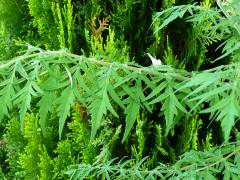
Medium green pinnately compound leaves with 7-13 leaflets each 2-4 inches long across the summer growing season; vivid orange, scarlet, and crimson tones in autumnGrowing Conditions
Sun Requirements
Requires 4-10 hours of direct sunlight daily
• Full Sun: 6+ hours of direct sunlight
• Partial Shade: 3-6 hours of direct sunlight
• Full Shade: Less than 3 hours of direct sunlight
Care & Maintenance
Care Guide
Grows in full sun to partial shade in well-drained soil at pH 5.5–7.5, tolerating loam, sand, and clay substrates. Hardy to zone 5. Drought tolerance runs high once root systems establish across the first 2–3 growing seasons, and the species accepts poor dry soils that more demanding trees cannot tolerate. Suckering runs lighter than R. typhina but root suckers may still appear at the perimeter of mature plants. Sap contains urushiol-related compounds that can cause skin contact dermatitis in sensitive individuals — leather gloves run as the standard protective equipment during pruning operations, and washing exposed skin with soap and water promptly after sap exposure reduces irritation risk. The species shares the Anacardiaceae family with poison ivy.Pruning
Pruning runs across the late winter to early spring window for shape adjustment or sucker removal. Root suckers appearing outside the desired planting zone are removed at the soil line during the dormant pruning window. Single-stem tree training runs through removal of lower branches across the first 5–7 years of growth, which builds the small-tree silhouette characteristic of the species rather than the multi-stem shrub form. Sap exposure protection during pruning matters because the cut wood surfaces release urushiol-related compounds.Pruning Schedule
Prune: February–March
late spring