Image 1 of 15
1 / 15
Plant Reference
Rhododendron, Genus, occidentale, Species,
- Genus & species
western azalea
Western North America — southern Oregon through California; stream banks, moist meadows, and seeps from sea level to 7,500 feet (2,300 m)
Overview
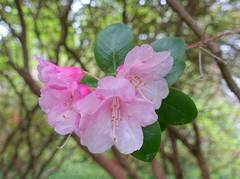
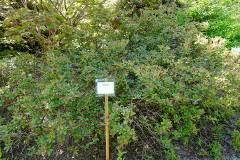
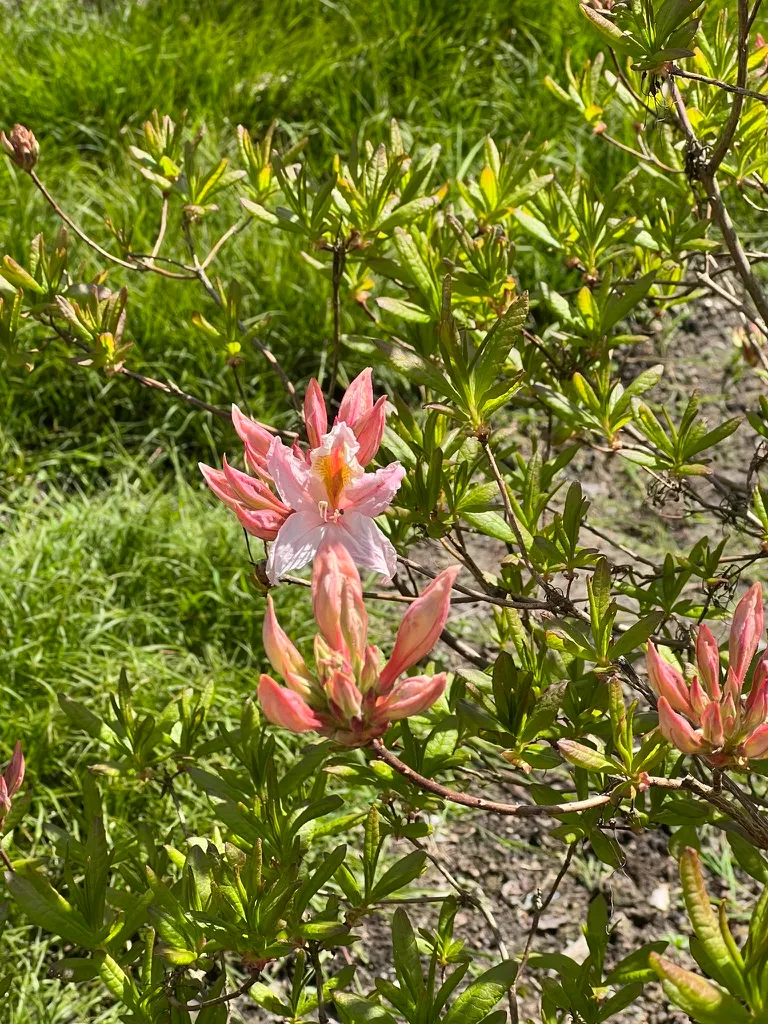
Rhododendron occidentale is western azalea (Pacific azalea), an upright deciduous shrub growing 4-10 feet (1.2-3 m) tall and 4-8 feet (1.2-2.4 m) wide. White to pale pink funnel-shaped flowers 1.5-2.5 inches (4-6 cm) with a prominent yellow-orange blotch on the upper petal, in terminal trusses of 6-12 in May-July. Strongly fragrant — the fragrance carries in warm air. Medium to bright green oblong to oblanceolate leaves 1.5-3.5 inches (4-9 cm) clustered at branch tips. Turns yellow, orange, and scarlet-red in fall. In Ericaceae. Native to western North America — southern Oregon through California along stream banks and moist meadows from sea level to 7,500 feet (2,300 m). One of the parent species of the Knap Hill and Exbury hybrid azalea groups. Requires acidic consistently moist soil (pH 4.5-6.0) — iron chlorosis and decline in alkaline conditions. This acid-soil and moisture requirement is the primary limitation. Not drought-tolerant — in the wild it grows along year-round water sources. The shallow fibrous root system does not tolerate compaction or deep mulching (no more than 2 inches / 5 cm). Lace bug (Stephanitis pyrioides) causes stippled silvery leaf damage. All parts are toxic (grayanotoxins). Deer-resistant. Zones 6-9. Part shade. Growth rate is moderate.
Native Range
Native to western North America — southern Oregon through California. Found along stream banks, moist meadows, and seeps from sea level to 7,500 feet (2,300 m).Suggested Uses
Grown in native plant gardens, streamside plantings, woodland edges, and in containers of at least 7 gallons (26 L), spaced 4-8 feet (1.2-2.4 m). Requires year-round moisture and acidic soil. Parent species of Knap Hill/Exbury hybrids. Native to Pacific Coast. Toxic. Zones 6-9.How to Identify
Appearance
Size & Dimensions
Height4' - 10'
Width/Spread4' - 8'
Bloom Information
Detailed Descriptions
Flower Description
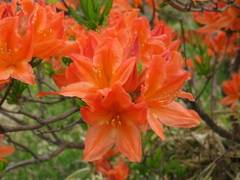
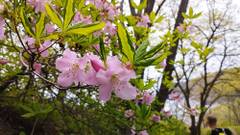
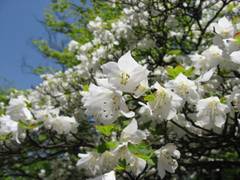
White to pale pink with a prominent yellow-orange blotch on the upper petal, funnel-shaped, 1.5-2.5 inches (4-6 cm) across, in terminal trusses of 6-12Foliage Description
Medium to bright green, oblong to oblanceolate, 1.5-3.5 inches (4-9 cm), clustered at branch tips; turns yellow, orange, and scarlet-red in fallGrowing Conditions
Sun Requirements
Requires 3-6 hours of direct sunlight daily
• Full Sun: 6+ hours of direct sunlight
• Partial Shade: 3-6 hours of direct sunlight
• Full Shade: Less than 3 hours of direct sunlight
Care & Maintenance
Care Guide
Part shade (3-6 hours — morning sun with afternoon shade). Acidic consistently moist soil pH 4.5-6.0 — iron chlorosis in alkaline conditions. Not drought-tolerant — requires year-round moisture. Shallow fibrous roots — mulch no deeper than 2 inches (5 cm). Lace bug on leaf undersides. Deadhead spent trusses. Prune after flowering (June-July). Toxic (grayanotoxins). Deer-resistant. Zones 6-9.Pruning
Prune lightly after flowering (June-July) — flower buds for next year form in summer on current season's growth. Remove spent flower trusses (deadhead). Shape lightly if needed — do not shear. Remove dead or crossing branches at the base.Pruning Schedule
Prune: June–July
summer
Container Growing
Suitable for container growing
Minimum container size: 7 gallons