Image 1 of 17
1 / 17
Plant Reference
Rhododendron, Genus, yakushimanum, Species,
- Genus & species
yakushima rhododendron
Overview
Rhododendron yakushimanum is a compact mounding evergreen shrub growing 3-4 feet (90-120 cm) tall and 4-5 feet (120-150 cm) wide over 10-15 years. Deep rose-pink buds open to pale pink then fade to white in dome-shaped trusses of 8-12 funnel-campanulate flowers, 1.5-2 inches (4-5 cm), in May-June over 4 weeks; sequential bud opening creates multi-toned trusses. Dark green oblong-elliptic leathery leaves, 3-5 inches (7-13 cm), have recurved margins and a thick white to cinnamon-brown indumentum (woolly felt-like covering) on the underside. New growth emerges silvery-white from the indumentum before darkening. Endemic to Yakushima Island, southern Japan, where it grows in cloud forests at 5,000-6,000 feet (1,500-1,800 m) receiving up to 400 inches (10 m) of annual rainfall; the thick indumentum is an adaptation to that extreme moisture regime. Used widely in modern rhododendron breeding as a parent of compact 'yak hybrid' cultivars. Slow-growing, requiring 10-15 years to reach mature size. All parts contain grayanotoxin and are toxic to humans, pets, and livestock if ingested. Requires acidic soil (pH 4.5-6.0) and consistent moisture; not drought-tolerant and not deer-resistant.
Native Range
Endemic to Yakushima Island in southern Japan, a UNESCO World Heritage Site. Found in cloud forests at 5,000-6,000 feet (1,500-1,800 m) elevation receiving up to 400 inches (10 m) of annual rainfall.Suggested Uses
Grown in woodland gardens, shade borders, and containers of at least 7 gallons (26 L) with acidic potting mix, spaced 4-5 feet (120-150 cm) apart. The compact habit and indumentum-bearing foliage suit small-garden mixed plantings and containers. All parts toxic if ingested. Hardy in zones 5-8.How to Identify
Appearance
Size & Dimensions
Height3' - 4'
Width/Spread4' - 5'
Bloom Information
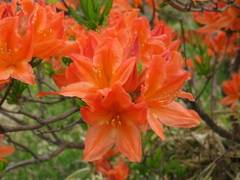
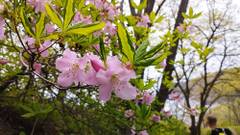
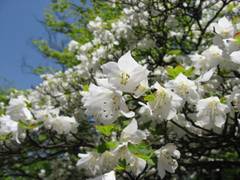
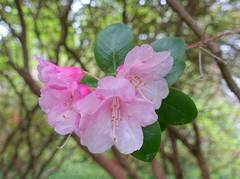
Mid to late spring (May-June). Deep rose-pink buds open to pale pink then fade to white in dome-shaped trusses of 8-12, with sequential bud opening producing multi-toned trusses across the 4-week bloom. Flowers are funnel-campanulate, 1.5-2 inches (4-5 cm). Bee- and butterfly-visited.
Detailed Descriptions
Flower Description
deep rose-pink buds opening to pale pink then fading to white; trusses display multiple tones simultaneously as buds open in sequence; funnel-campanulate, 1.5-2 inches (4-5 cm), in dome-shaped trusses of 8-12; May-JuneFoliage Description
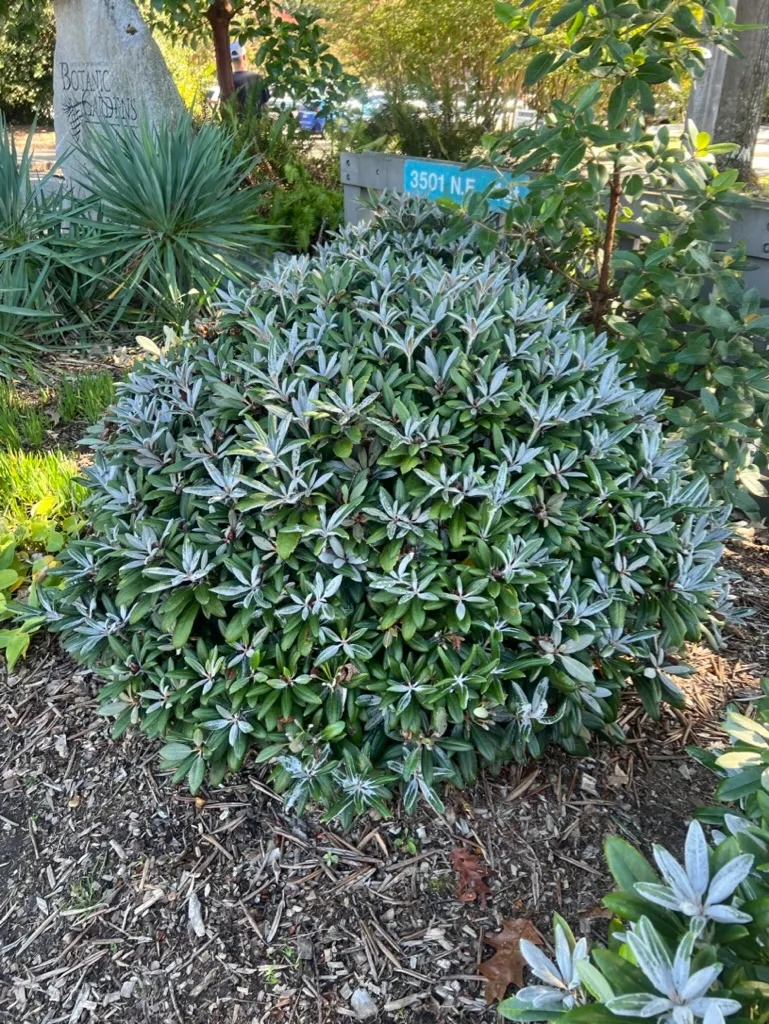
dark green above, thick white to cinnamon-brown indumentum (woolly felt-like covering) beneath, oblong-elliptic, 3-5 inches (7-13 cm), leathery, with recurved margins; new growth emerges silvery-white from indumentum coverage; evergreen year-roundGrowing Conditions
Sun Requirements
Requires 3-6 hours of direct sunlight daily
• Full Sun: 6+ hours of direct sunlight
• Partial Shade: 3-6 hours of direct sunlight
• Full Shade: Less than 3 hours of direct sunlight
Care & Maintenance
Care Guide
Site in part shade (3-6 hours direct sun) in well-drained acidic soil with a pH of 4.5-6.0; loam, sand, or peat-amended mixes are suitable. Water during dry spells — the species is not drought-tolerant and shows leaf drop and dieback under sustained drought. Mature size is reached over 10-15 years; growth is slow. Deadhead spent trusses by snapping at the base after bloom to direct energy into next year's buds. All parts contain grayanotoxin alkaloids and are toxic to humans, pets, and livestock. Not deer-resistant. Hardy in zones 5-8.Pruning
Deadhead spent trusses after bloom in June by snapping at the base above the new vegetative shoots. The naturally compact mounding form requires no shaping. Remove dead or crossing branches as they appear. Hard renewal pruning into old wood gives uncertain regrowth and is generally not undertaken.Pruning Schedule
Prune: June
late spring
Container Growing
Suitable for container growing
Minimum container size: 7 gallons