Image 1 of 10
1 / 10
Plant Reference
Rhododendron, Genus, 'Hino-Crimson', Cultivar,
- Genus
- Cultivar
Hino-crimson azalea
Garden origin — Kurume hybrid group; parent species from Kyushu, Japan (Mount Kirishima azaleas)
Overview
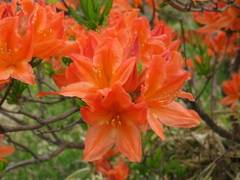
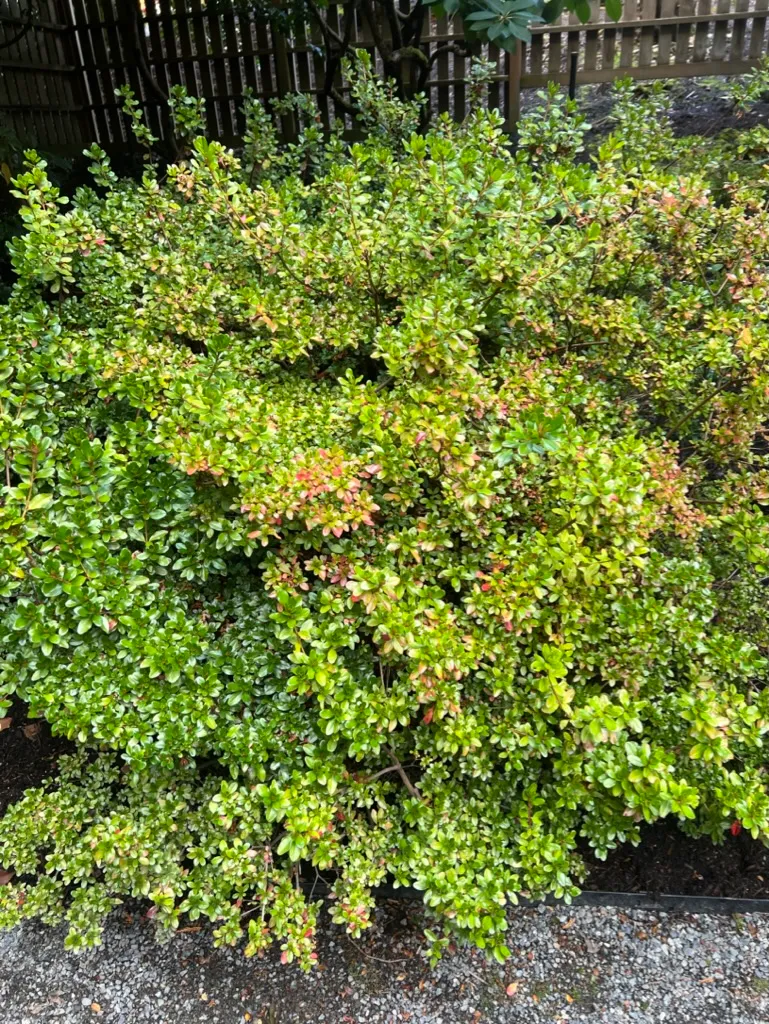
Rhododendron 'Hino-Crimson' is Hino-Crimson azalea (Kurume azalea), a compact mounding evergreen shrub growing 2-4 feet (60-120 cm) tall and 3-5 feet (90-150 cm) wide. Crimson-red single funnel-shaped flowers 1-1.5 inches (2.5-4 cm) in clusters of 2-3 at branch tips in April-May (3 weeks). Glossy dark green small ovate leaves 0.5-1.5 inches (1.3-4 cm); bronzy-purple winter tones. In Ericaceae. A Kurume hybrid from Mount Kirishima, Kyushu, Japan. Hino = scarlet. Small flowers in large quantity — can completely cover the foliage. Slow-growing (8-10 years to mature). Shallow fibrous roots — mulch to maintain cool moist conditions. Contains grayanotoxin — all parts toxic. Not deer-resistant. Lace bug and azalea caterpillar are common pests. Acidic soil required (pH 4.5-6.0). Not drought-tolerant. Zones 5-9. Part shade. Growth rate is slow.
Native Range
Garden origin — Kurume hybrid group. Parent species from Kyushu, Japan (Mount Kirishima azaleas).Suggested Uses
Grown in acidic shade borders, foundation plantings, mass plantings, and in containers of at least 5 gallons (19 L) with acidic mix, spaced 3-5 feet (90-150 cm). Crimson-red spring flowers. Slow-growing. Not deer-resistant. All parts toxic. Zones 5-9.How to Identify
Appearance
Size & Dimensions
Height2' - 4'
Width/Spread3' - 5'
Bloom Information
Mid to late spring (April-May). Crimson-red single funnel-shaped flowers 1-1.5 inches (2.5-4 cm) in clusters of 2-3 at branch tips. 3 weeks. Hummingbird-, butterfly-, and bee-visited.
Detailed Descriptions
Flower Description
Crimson-red, single, funnel-shaped, 1-1.5 inches (2.5-4 cm), in clusters of 2-3 at branch tips; April-May; the flowers can completely cover the foliage at peak bloomFoliage Description
Glossy dark green, small, ovate, 0.5-1.5 inches (1.3-4 cm); bronzy-purple winter tones in sun-exposed positions; two leaf sets — larger spring leaves and smaller summer leaves retained through winterGrowing Conditions
Sun Requirements
Requires 3-6 hours of direct sunlight daily
• Full Sun: 6+ hours of direct sunlight
• Partial Shade: 3-6 hours of direct sunlight
• Full Shade: Less than 3 hours of direct sunlight
Care & Maintenance
Care Guide
Part shade (3-6 hours — morning sun, afternoon shade). Well-drained acidic soil pH 4.5-6.0. Not drought-tolerant. Shallow roots — mulch 2-3 inches (5-7 cm) to maintain cool moist conditions; do not cultivate. Lace bug and azalea caterpillar are common pests. Not deer-resistant. All parts toxic. Zones 5-9.Pruning
Prune immediately after flowering (May-June) — flower buds set in summer for next spring. Shape as needed. The compact mounding form requires minimal pruning.Pruning Schedule
Prune: May–June
late spring
Container Growing
Suitable for container growing
Minimum container size: 5 gallons