Rhododendron, Genus, cf., Species, catawbiense, Subspecies, (red, Subspecies, hybrid), Subspecies,
- Genus & species
- Subspecies
red rhododendron
Southern Appalachian Mountains, eastern United States
Overview
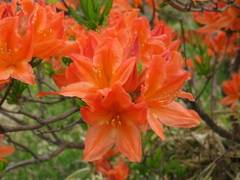
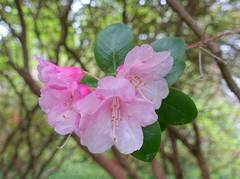
Rhododendron cf. catawbiense red hybrids are evergreen broadleaf shrubs reaching 6-10 feet (1.8-3 m) tall and 6-8 feet (1.8-2.4 m) wide at maturity, with a rounded to spreading habit. Leaves are leathery, oblong-elliptic, 3-6 inches (7.5-15 cm) long, dark green above and lighter beneath, persisting for 2-3 years before dropping. Flowers form in dense terminal trusses of 15-25 individual blooms, each bell-shaped and 2-2.5 inches (5-6.5 cm) across, in shades from rose-pink to deep red depending on hybrid parentage. Bloom occurs in mid to late spring (May to early June in USDA zones 5-7). The native parent R. catawbiense is hardy to USDA zone 4 and contributes cold tolerance to red hybrid groups including the Catawba ironclad selections developed in the 19th century. Plants form shallow root systems within the top 12 inches (30 cm) of soil, requiring acidic, organically rich soils with consistent moisture. All parts contain grayanotoxins and are toxic to humans and animals if ingested, causing gastrointestinal distress, hypotension, and bradycardia. Honey produced from rhododendron nectar can also contain toxic compounds. Lacebug (Stephanitis pyrioides) and root weevils are common pests in landscape settings, particularly in hot exposed sites.
Native Range
Rhododendron catawbiense is native to the southern Appalachian Mountains of the eastern United States, with primary distribution in North Carolina, Tennessee, Virginia, West Virginia, and Georgia. It grows naturally at elevations from 1,000-6,000 feet (300-1,800 m) in cool, moist mountain forests and balds. Most red-flowered hybrids are crosses developed in cultivation since the early 1800s in England and the eastern United States.Suggested Uses
Rhododendron red hybrids are used as foundation plantings, woodland understory shrubs, and informal hedges, spaced 6-8 feet (1.8-2.4 m) apart for mature canopy spacing. The shrubs are used in mass plantings on north-facing slopes and along forest edges where the acidic, organically rich soils naturally occur. Selections under 4 feet (1.2 m) tall fit mixed shrub borders and entry plantings.How to Identify
Appearance
Size & Dimensions
Height6' - 10'
Width/Spread6' - 8'
Bloom Information
Bloom occurs in mid to late spring, typically May to early June in USDA zones 5-7, with timing 2-3 weeks earlier in zones 8-9. Each truss lasts 2-3 weeks in cool weather, with the entire shrub flowering for 3-4 weeks. Hot weather above 80°F (27°C) shortens bloom duration to 1-2 weeks per truss.
Detailed Descriptions
Flower Description
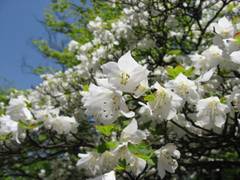
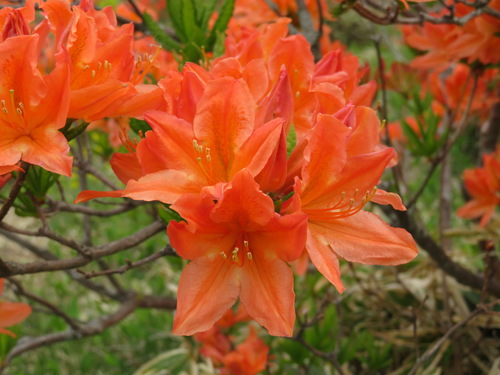
Pink-red to deep redFoliage Description
Dark green above; pale green beneathGrowing Conditions
Sun Requirements
Requires 3-6 hours of direct sunlight daily
• Full Sun: 6+ hours of direct sunlight
• Partial Shade: 3-6 hours of direct sunlight
• Full Shade: Less than 3 hours of direct sunlight
Care & Maintenance
Care Guide
Rhododendron red hybrids require acidic soil with pH 4.5-6.0; chlorosis develops above pH 6.5 due to iron lockup. Dappled shade or morning sun with afternoon shade suits zones 6 and warmer; full sun is tolerated in zones 4-5 with adequate moisture. The top of the root mass should sit at or 1 inch (2.5 cm) above grade, since burying the shallow roots leads to crown rot. A 2-3 inch (5-7.5 cm) mulch of pine bark or pine needles retains moisture and maintains soil acidity. Water deeply once weekly during the first two growing seasons; established plants need supplemental water during droughts of 3+ weeks. Spring application of a rhododendron-specific fertilizer formulated for acid-loving plants supplies adequate nutrition at half the package rate.Pruning
Pruning is done immediately after flowering, before late-summer bud set. Spent flower trusses can be snapped off at the base to redirect energy from seed production to next-year bud development. Older shrubs can be rejuvenated by cutting back one-third of the oldest stems to 12-18 inches (30-45 cm) above ground over three successive years. Heavy renovation cuts on Catawba hybrids regenerate from latent buds on old wood within 2-3 years.Pruning Schedule
Prune: June
late spring