Rhododendron, Genus, 'Ken Janeck', Cultivar,
- Genus
- Cultivar
Ken Janeck rhododendron
Yakushima Island Japan selection (seed-grown cultivar close to wild yakushimanum species form; thick rich-brown leaf indumentum; silvery-white new growth tomentum; zone 4 cold hardiness)
Overview
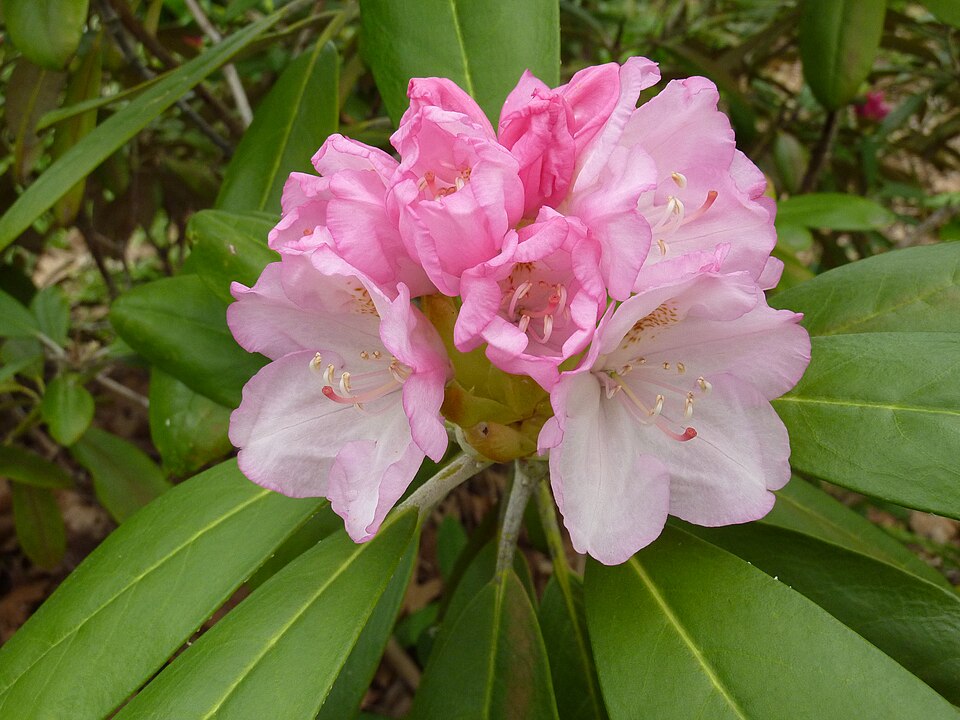
Rhododendron 'Ken Janeck' is an evergreen shrub in the heath family (Ericaceae) reaching 3–4 feet (0.9–1.2 m) tall with a spread of 4–5 feet (1.2–1.5 m), carrying a compact dense mounding habit wider than tall. The cultivar is a seed-grown selected form of R. yakushimanum (sometimes listed under the synonym R. degronianum ssp. yakushimanum) and runs among the cultivars closest to the wild species from Yakushima Island in Japan. Rounded flower trusses of 8–12 funnel-shaped flowers 2 inches (5 cm) wide open from rose-pink buds in deep pink tones and fade through to pure white — the species-typical yakushimanum color progression runs across the bloom window as individual flowers age. The elliptic leaves run 3–5 inches (8–13 cm) long, glossy dark green above, with thick persistent rich-brown indumentum (felted coating) on the leaf undersides that runs heavier and more persistent than most yakushimanum hybrid cultivars carry. New growth emerges covered in silvery-white tomentum across the spring growth flush. Growth rate runs very slow. Hardy to zone 4 — zone 4 cold hardiness extends the cultivar into colder climate zones than most yakushimanum forms accommodate.
Native Range
Rhododendron yakushimanum is native to Yakushima Island in southern Japan, where wild populations grow in high-rainfall montane environments. The 'Ken Janeck' cultivar was selected by Ken Janeck from seed collected on Yakushima Island, which carries the selection close to the wild-species form.Suggested Uses
Grown in mixed-shrub borders, rock gardens, or container plantings at 4–5 foot (1.2–1.5 m) spacing. The species-typical yakushimanum character — heavy brown leaf indumentum, silvery new growth tomentum, and pink-to-white flower fading — carries ornamental value that most yakushimanum hybrids approximate rather than reproduce from the wild form. Zone 4 cold hardiness extends the cultivar into colder climate zones than most yakushimanum forms accommodate. Very slow growth rate suits small garden plantings and rock gardens where larger rhododendrons exceed the allocated footprint. Alkaline soils, full-sun exposures, and dry sites without irrigation support are all unsuitable given the cultural profile.How to Identify
Appearance
Size & Dimensions
Height3' - 4'
Width/Spread4' - 5'
Bloom Information
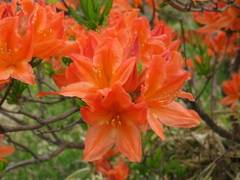
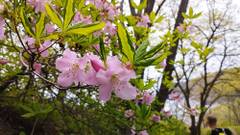
Rounded flower trusses of 8–12 funnel-shaped flowers 2 inches (5 cm) wide open from rose-pink buds in deep pink tones during the May to June bloom window and fade through to pure white as individual flowers age — the species-typical yakushimanum color progression reads across the bloom window. Flowering runs across a 3- to 4-week window. New growth emerges with silvery-white tomentum during the spring growth flush alongside the flower phase.
Detailed Descriptions
Flower Description
Deep pink opening from rose-pink buds and fading through to pure white in species-typical yakushimanum progression; funnel-shaped 2 inches across in rounded trusses of 8-12 flowers during May to JuneFoliage Description
Glossy dark green above with thick rich-brown indumentum on the leaf undersides running heavier than most yakushimanum hybrids carry; elliptic 3-5 inches long; silvery-white tomentum on new growth during spring flushGrowing Conditions
Sun Requirements
Requires 3-6 hours of direct sunlight daily
• Full Sun: 6+ hours of direct sunlight
• Partial Shade: 3-6 hours of direct sunlight
• Full Shade: Less than 3 hours of direct sunlight
Care & Maintenance
Care Guide
Grows in partial shade in moist well-drained acidic soil at pH 4.5–6.0, tolerating loam, peat, and sand substrates. Hardy to zone 4 — zone 4 cold hardiness extends the cultivar into colder climate zones than most yakushimanum forms accommodate. Growth rate runs very slow across the maturation window — patience matters across the 10- to 12-year growth cycle to reach mature size. The thick rich-brown leaf-underside indumentum and silvery-white new growth tomentum are species-typical traits rather than disease indicators. Mulching maintains cool moist root-zone conditions.Pruning
Spent flower trusses are removed by snapping them off above the developing growth buds after the bloom phase ends to direct energy into next-year flower bud formation. Routine pruning runs minimal because the compact mounding habit develops naturally without structural intervention, and the very slow growth rate means older specimens maintain their form across decades without pruning management.Pruning Schedule
Prune: June
summer
Container Growing
Suitable for container growing
Minimum container size: 5 gallons