Image 1 of 3
1 / 3
Plant Reference
Rhododendron, Genus, stenopetalum, Species, 'Linearifolium', Cultivar,
- Genus & species
- Cultivar
spider azalea
Japan (Honshu) — mountain forests and rocky slopes; the 'Linearifolium' form has been cultivated in Japanese gardens since the Edo period (1603-1868)
Overview
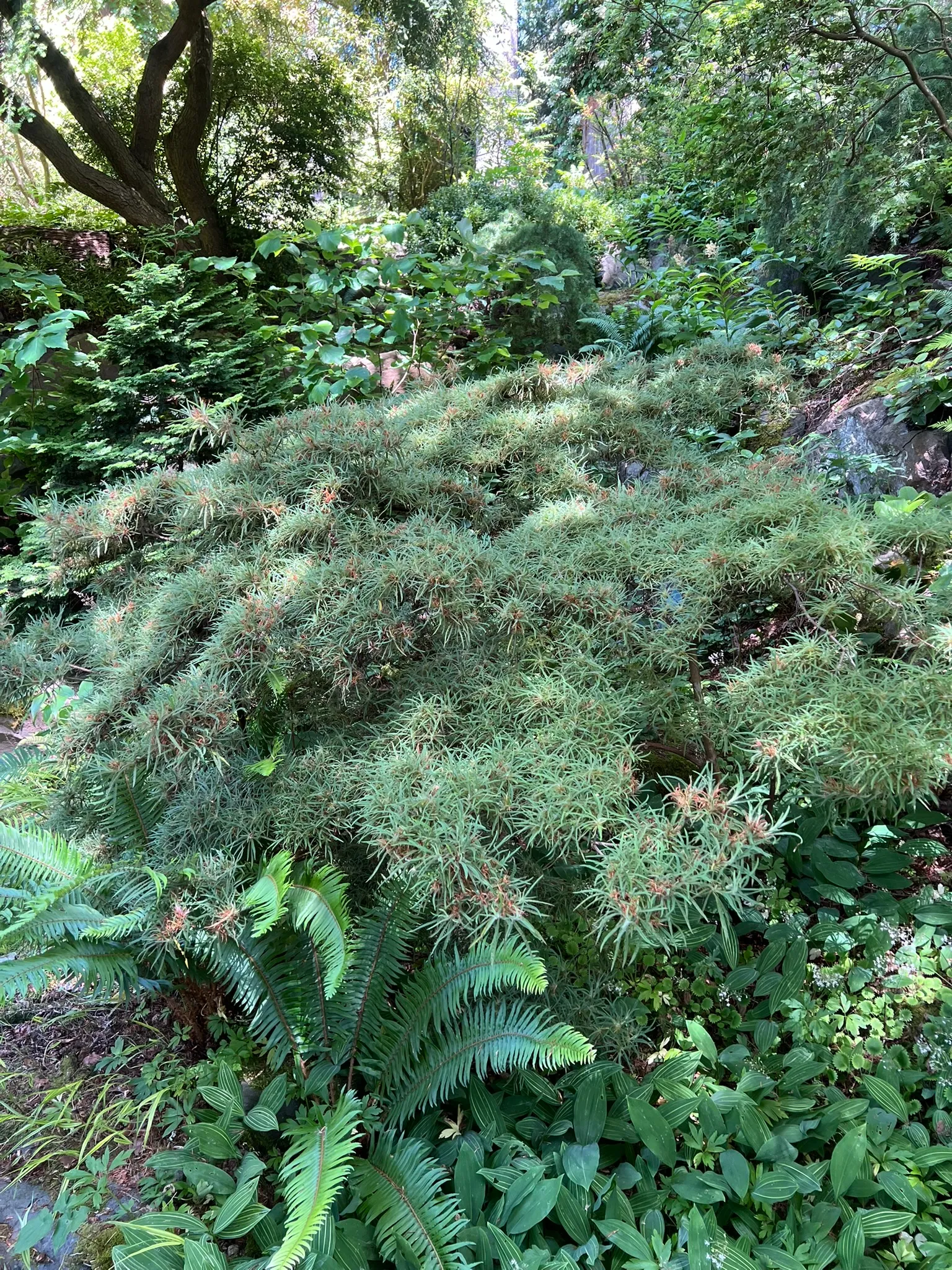
Rhododendron stenopetalum 'Linearifolium' is an upright semi-evergreen shrub in the heath family Ericaceae growing 3–6 feet (0.9–1.8 m) tall and 3–5 feet (0.9–1.5 m) wide from a slowly expanding woody crown. The specific epithet stenopetalum is Greek for narrow-petaled and refers to the deeply divided strap-like flower petals, and the cultivar name 'Linearifolium' is Latin for linear-leaved and refers to the extremely narrow thread-like leaves that are the main year-round ornamental character — both the leaves and the petals are reduced to narrow thread-like forms, which is a mutation that has been maintained through vegetative propagation rather than seed because the seedlings do not always reproduce the linear leaf and strap-petal character. Leaves are dark green, thread-like (linear), 2–4 inches (5–10 cm) long and only 0.1–0.2 inch (2–4 mm) wide, carried along the open-branching stems in a sparse airy arrangement that gives the shrub a skeletal spidery silhouette visible year-round — the thread-like leaf shape is not matched by any other azalea in cultivation and is the main reason the cultivar is sought by collectors and Japanese garden specialists. Rosy-pink to purple-pink flowers with deeply divided strap-like petals 1–1.5 inches (2.5–4 cm) long open in clusters of 3–5 at the branch tips in April and May across a 2–3 week bloom period, and each of the 5 petals is split into narrow ribbon-like segments that spread outward and give the flower a spidery appearance that mirrors the thread-like foliage. The 'Linearifolium' form has been cultivated in Japanese gardens since the Edo period (1603–1868), where it is grown as a specimen shrub in shaded garden settings and valued for the year-round spidery silhouette and the spring bloom. The species is native to Japan (Honshu), growing on mountain forests and rocky slopes. Limitation: the species is very slow growing and takes 8–12 years to reach full mature size from a young nursery plant, and the limited availability in western nurseries means the cultivar is typically sourced from specialty rhododendron and Japanese garden nurseries rather than from general garden centers. The species calls for strictly acidic soil with a pH of 4.5–6.0 and develops chlorosis and decline in alkaline or neutral soils. All parts of the plant contain grayanotoxins and are toxic to humans, dogs, and cats if ingested. Deer browse the foliage. Semi-evergreen: the narrow leaves are retained through winter in mild climates (zones 8–9) and shed during cold winters in zones 6–7.
Native Range
Native to Japan (Honshu), growing on mountain forests and rocky slopes at middle elevations. The 'Linearifolium' form has been cultivated in Japanese gardens since the Edo period (1603–1868) and was introduced to western horticulture through plant-collecting expeditions to Japan in the 19th century, and the cultivar remains uncommon in western gardens because it is propagated vegetatively (cuttings or layering) rather than from seed and does not reproduce the linear leaf form reliably from seedlings.Suggested Uses
Used as a specimen shrub in woodland gardens, Japanese-style gardens, ericaceous borders, and containers of at least 5 gallons (19 L) at 3–5 foot (0.9–1.5 m) spacing between plants. The thread-like foliage and spidery flower form combine to give the cultivar a year-round silhouette that is not matched by any other shrub in the ericaceous border, and the slow growth rate (8–12 years to mature size) and long lifespan suit the species to carefully designed long-term plantings. Gardens with alkaline or neutral soils, gardens that call for fast establishment, and gardens where pet or child access to the foliage and flowers is a concern are unsuitable because of the narrow acidic pH requirement, the very slow growth rate, and the grayanotoxin content in all parts of the plant.How to Identify
Appearance
Size & Dimensions
Height3' - 6'
Width/Spread3' - 5'
Bloom Information
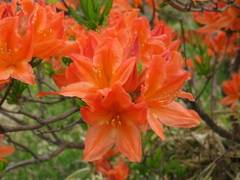
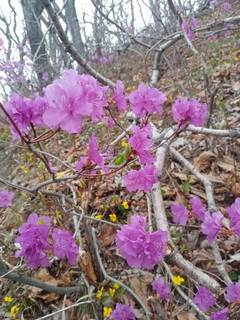
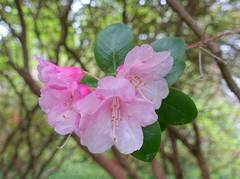
Rosy-pink to purple-pink flowers with deeply divided strap-like petals 1–1.5 inches (2.5–4 cm) long open in clusters of 3–5 at the branch tips in April and May across a 2–3 week bloom period. Each of the 5 petals is split into narrow ribbon-like segments that spread outward and give the flower a spidery appearance. Honeybees and native solitary bees work the flowers for nectar during the spring bloom window.
Detailed Descriptions
Flower Description
rosy-pink to purple-pink with deeply divided strap-like petals 1-1.5 inches (2.5-4 cm) long — each of the 5 petals is split into narrow ribbon-like segments that spread outward and give the flower a spidery appearance; carried in clusters of 3-5 flowers at the branch tipsFoliage Description
dark green; extremely narrow thread-like (linear) leaves 2-4 inches (5-10 cm) long and only 0.1-0.2 inch (2-4 mm) wide, carried along the open-branching stems in a sparse airy arrangement; semi-evergreen (retained in mild winters, shed in cold winters); the thread-like leaf shape is not matched by any other azalea in cultivationGrowing Conditions
Sun Requirements
Requires 2-6 hours of direct sunlight daily
• Full Sun: 6+ hours of direct sunlight
• Partial Shade: 3-6 hours of direct sunlight
• Full Shade: Less than 3 hours of direct sunlight
Care & Maintenance
Care Guide
Site in partial shade to full shade with 2–6 hours of direct sun per day, typically under the high canopy of deciduous trees or at the edge of a mixed shade border where filtered light supports the spring bloom. Moist well-drained acidic soil with a pH of 4.5–6.0 is required because the species develops chlorosis and decline in alkaline or neutral soils, and planting positions in gardens with naturally high-pH soil call for amendment with peat, composted pine bark, and acid-forming mulch. The species is not drought-tolerant and calls for consistent moisture through the growing season. Growth is very slow and the shrub takes 8–12 years to reach full mature size. Pruning is done immediately after flowering in May or June because the next year's flower buds form on the current season's new growth. All parts of the plant contain grayanotoxins and are toxic to humans, dogs, and cats if ingested. Deer browse the foliage. Semi-evergreen: the narrow leaves are retained through winter in mild climates and shed during cold winters. Hardy in USDA zones 6–9.Pruning
Pruning is done immediately after flowering (May or June) and is limited to the careful removal of spent flower clusters by snapping them off at the base, taking care not to damage the developing buds for next year. Crossing, dead, or damaged branches are removed at the branch collar during the same post-bloom window. Hard pruning and reshaping cuts are avoided because the very slow growth rate means the shrub takes many years to redevelop from hard cuts, and the natural open-branching spidery silhouette is the main ornamental feature that develops over decades of slow growth.Pruning Schedule
Prune: May–June
late spring
Container Growing
Suitable for container growing
Minimum container size: 5 gallons