Rhododendron, Genus, molle, Species,
- Genus & species
Chinese azalea
Overview
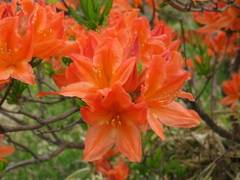
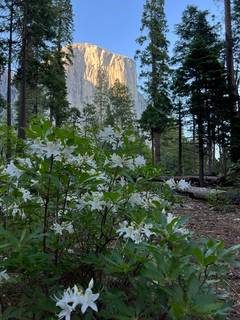
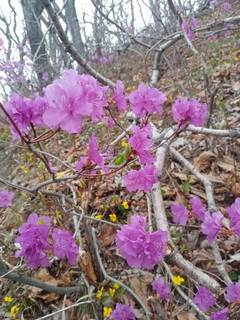
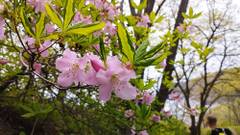
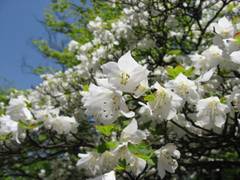
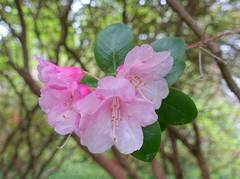
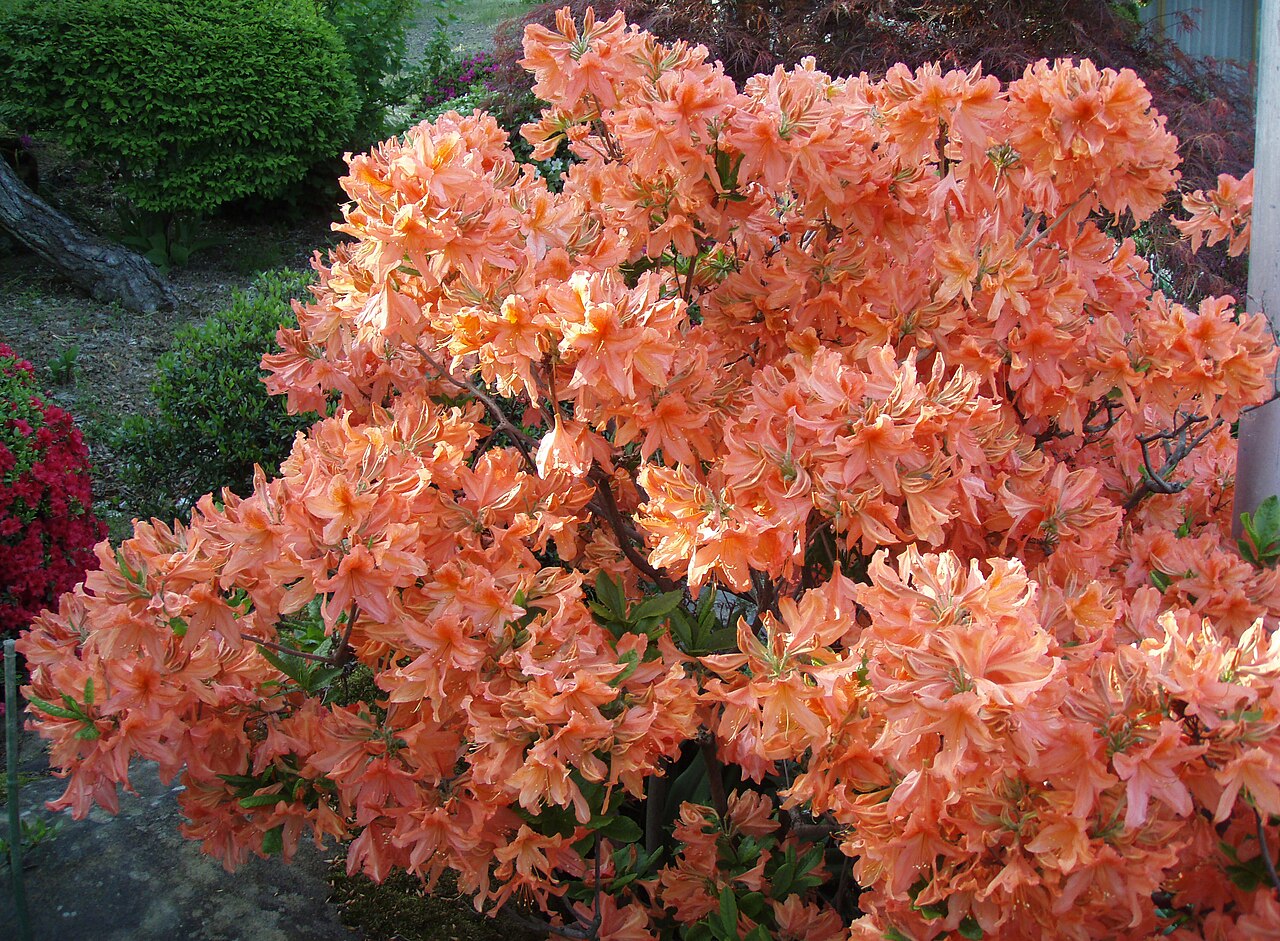
Rhododendron molle is a deciduous shrub growing 3–6 feet (0.9–1.8 m) tall and 3–5 feet (0.9–1.5 m) wide, upright and sparsely branched when young. Leaves are oblong to oblong-lanceolate, 2–4.5 inches (5–11 cm) long, softly hairy on both surfaces, and turn yellow, orange, and red in autumn. Funnel-shaped yellow flowers 2–2.5 inches (5–6 cm) across open in terminal clusters of 5–13 in April–May as the leaves emerge, with an orange-green blotch on the upper lobe. The fruit is an oblong capsule 1–1.4 inches (2.5–3.5 cm) long that splits in autumn to release small winged seeds. Roots are shallow and fibrous. Plants require acidic soil at pH 4.5–6.0, and leaves yellow in alkaline or poorly drained soil. Flower buds can be damaged by late spring frosts, and leaf scorch occurs in hot, dry summers. All plant parts contain grayanotoxins.
Native Range
Native to eastern and southern China, from Jiangsu and Zhejiang west to Hunan, Guangxi, and Yunnan. Grows on open mountain slopes, scrub, and forest margins at 300–3,300 feet (100–1,000 m) elevation.Suggested Uses
Used as a specimen or in groups in woodland gardens and shrub borders at 3–4 foot (0.9–1.2 m) spacing. Plants have been used as parent species in the breeding of Mollis and Ghent-type hybrid azaleas. Acidic soil requirements limit use in alkaline regions.How to Identify
Appearance
Size & Dimensions
Height3' - 6'
Width/Spread3' - 5'
Bloom Information
Flowers open in April–May in zones 7–8, at the same time as new leaves. Individual flowers last 5–7 days, and total bloom per plant lasts 2–3 weeks. Late spring frost below 28°F (−2°C) damages open flowers and buds.
Detailed Descriptions
Flower Description
Yellow with an orange-green blotchFoliage Description
Mid-green, turning yellow, orange, and red in autumnGrowing Conditions
Sun Requirements
Requires 4-6 hours of direct sunlight daily
• Full Sun: 6+ hours of direct sunlight
• Partial Shade: 3-6 hours of direct sunlight
• Full Shade: Less than 3 hours of direct sunlight
Care & Maintenance
Care Guide
Plants grow in part sun to part shade in moist, well-drained, humus-rich soil at pH 4.5–6.0. A 2–3 inch (5–8 cm) mulch layer maintains soil moisture over the shallow roots. Water weekly during the first 2 growing seasons and during dry spells of more than 10 days thereafter. Chlorosis develops in alkaline soil, and root rot develops in poorly drained sites. Powdery mildew, lace bugs, and leaf spots occur in humid summers. All plant parts contain grayanotoxins, and ingestion causes vomiting, low heart rate, and low blood pressure in humans and animals.Pruning
Pruning is done immediately after flowering in May, because flower buds for the next year form over summer. Dead or crossing branches are removed at the base, and up to one third of the oldest stems can be cut to the ground each year to renew the plant. Cuts made after July remove the next year's flower buds.Pruning Schedule
Prune: May
late spring
Container Growing
Suitable for container growing
Minimum container size: 5 gallons