Populus, Genus, ×, Hybrid, acuminata, Species,
- Genus & species
- Hybrid
lanceleaf cottonwood
Overview
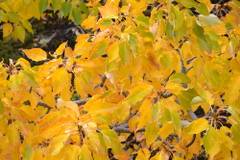
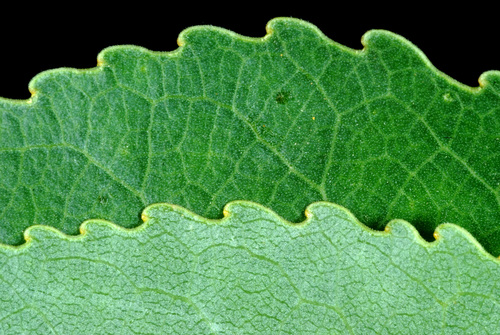
Populus × acuminata is a natural hybrid between P. angustifolia and P. deltoides, formed where the two grow together along western waterways. It is a deciduous tree reaching 40-60 feet (12-18 m) tall with a rounded to irregular crown and grey, furrowed bark on older trunks. The leaves are 2-4 inches (5-10 cm) long, lance-shaped to ovate with a tapering tip and finely toothed margins, glossy green above and turning yellow in autumn; their shape is intermediate between the narrow leaves of P. angustifolia and the broad triangular leaves of P. deltoides. Trees are dioecious, with male and female catkins on separate plants opening in spring before the leaves; female trees release cottony seeds in late spring. Growth is rapid, often 2-3 feet (0.6-0.9 m) per year when young. The wood is soft and brittle, so branches break in storms, and the trees are relatively short-lived, declining after 40-60 years. Shallow, spreading roots can lift pavement and reach into water lines.
Native Range
Native to the interior of western North America, from the northern Great Plains and Rocky Mountain foothills south into the southwestern United States and northern Mexico. Grows along streams, rivers, and other moist bottomlands where its parent species meet, at low to middle elevations.Suggested Uses
Planted for fast shade and as a windbreak in large rural and riparian settings, spaced 30-40 feet (9-12 m) apart. Used for streambank stabilization where its spreading roots bind moist soil. The brittle wood, cottony seed, and aggressive roots make it unsuited to small gardens or sites near pavement and buildings.How to Identify
Appearance
Size & Dimensions
Height40' - 60'
Width/Spread30' - 45'
Bloom Information
Catkins open in early spring, March to April, before the leaves emerge. Male and female catkins occur on separate trees; the drooping female catkins ripen by late spring and release seeds embedded in white cottony fluff. The flowers have no petals and make no colorful display.
Detailed Descriptions
Foliage Description
greenGrowing Conditions
Sun Requirements
Requires 6-8 hours of direct sunlight daily
• Full Sun: 6+ hours of direct sunlight
• Partial Shade: 3-6 hours of direct sunlight
• Full Shade: Less than 3 hours of direct sunlight
Care & Maintenance
Care Guide
Grow in full sun in deep, moist soil; the tree tolerates seasonal flooding and poor drainage better than most shade trees. Water regularly where natural soil moisture is low, since growth and health depend on a steady supply. The soft wood is prone to storm breakage, and trees develop heart rot and cankers as they age. Cottonwood leaf beetles, aphids, and borers feed on the foliage and stems. Female trees shed large amounts of cottony seed, and surface roots can damage paving and invade drains. Plants are usually replaced once major limb loss or decay sets in.Pruning
Prune in late winter while dormant, removing dead, broken, and crossing limbs to reduce storm damage in the brittle wood. Build a single dominant leader and well-spaced scaffold branches while the tree is young. Large pruning cuts heal slowly and can admit decay, so major limbs are shortened while they are still small.Pruning Schedule
Prune: February–March
winter