Populus, Genus, deltoides, Species,
- Genus & species
eastern cottonwood
Overview
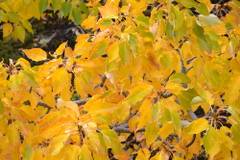
Populus deltoides is a fast-growing, deciduous tree in the Salicaceae family, growing 60–100 feet (18–30 m) tall and 40–60 feet (12–18 m) wide — among the fastest-growing native trees in North America, adding 5–8 feet (1.5–2.4 m) of height per year in the first 10 years. The epithet deltoides references the triangular (deltoid) leaf shape — leaves are 3–6 inches (8–15 cm) long and wide, broadly triangular with a flat base and a pointed tip, coarsely serrate, glossy dark green. The flattened petiole (leaf stalk) causes the leaves to tremble and flutter in the lightest breeze, producing the characteristic rustling sound. Bark is pale grey and smooth on young trees, becoming deeply furrowed and grey-brown on mature trunks. Dioecious — male and female trees are separate. Female trees produce prolific cottony seeds in spring that fill the air with white, fluffy masses — the cotton is a nuisance in urban areas, clogging window screens, air conditioners, and gutters. Male trees (cottonless) are recommended for landscape use. Wood is weak and brittle — storm damage is frequent. Roots are aggressive and invasive — seeking water lines, septic systems, and foundations. Native to floodplains and river bottoms across eastern North America. Short-lived for a large tree — 70–100 years.
Native Range
Populus deltoides is native to eastern North America, from southern Quebec west to Alberta and south to Florida and Texas. It occurs on floodplains, river bottoms, sandbars, and lake margins from near sea level to approximately 5,000 feet (1,500 m).Suggested Uses
Riparian restoration and large-scale erosion control on floodplains and river banks. Windbreaks on agricultural land. Rapid shade on large rural properties. NOT suited to residential landscapes, urban streets, or sites near infrastructure due to root invasion, cotton production, weak wood, and massive size. In the Pacific Northwest, native east of the Cascades in riparian corridors.How to Identify
Appearance
Size & Dimensions
Height60' - 100'
Width/Spread40' - 60'
Bloom Information
Pendulous catkins appear in March–April before leaf emergence. Male catkins are reddish, 3–4 inches (8–10 cm) long. Female catkins develop into strings of green capsules that split to release cotton-covered seeds in May–June. Wind-pollinated. Seed viability is short — 1–2 weeks.
Detailed Descriptions
Flower Description
Reddish (male catkins)Foliage Description
Glossy dark greenGrowing Conditions
Sun Requirements
Requires 6-10 hours of direct sunlight daily
• Full Sun: 6+ hours of direct sunlight
• Partial Shade: 3-6 hours of direct sunlight
• Full Shade: Less than 3 hours of direct sunlight