Populus, Genus, trichocarpa, Species,
- Genus & species
cottonwood
Alaska south through British Columbia, Washington, Oregon, and California; east to the Rocky Mountains; stream banks, floodplains, lake margins, and moist lowland areas
Overview
Populus trichocarpa is black cottonwood (western balsam poplar), an upright deciduous tree growing 80-160 feet (24-50 m) tall and 30-50 feet (9-15 m) wide; mature trees occasionally exceed 200 feet (60 m) and surpass other broadleaf deciduous trees of western North America in size. Reddish (male) or greenish (female) catkins emerge before leaves in March-April; female trees release masses of cottony white fibers in May-June (trichocarpa = hairy-fruited). Triangular to broadly ovate leaves are dark green above and white to silvery-gray beneath; flattened petioles cause the leaves to tremble in light breezes; foliage turns yellow to gold in fall. Family Salicaceae. Native to Alaska south through British Columbia, Washington, Oregon, and California, east to the Rocky Mountains; the species occurs on stream banks, on floodplains, at lake margins, and in moist lowland areas. The intensely balsamic honey-sweet fragrance of the spring resin-coated buds is the aromatic signature of Pacific Northwest riparian zones in early spring. Used as nesting habitat by bald eagles and ospreys, as forage by beavers, and as larval host for several large butterfly and moth species. The species is dioecious; male clones do not produce cotton, and selected male cultivars are planted where seed fall is undesirable. The roots are aggressively water-seeking and damage foundations, sewer lines, and septic systems; the wood is weak and branches fail in storms. Suitable only for large-scale landscapes, parks, and riparian restoration projects far from structures. Non-toxic. Hardy in zones 3-9. Grown in full sun. Growth rate is fast.
Native Range
Native to Alaska south through British Columbia, Washington, Oregon, and California, east to the Rocky Mountains. Found on stream banks, on floodplains, at lake margins, and in moist lowland areas.Suggested Uses
Populus trichocarpa is grown in large-scale landscapes far from structures, riparian buffer plantings, floodplain restoration projects, parks, and as a wildlife habitat tree, spaced 30-50+ feet (9-15+ m) apart. Mature size exceeds other broadleaf deciduous trees of western North America. Aggressive roots and weak wood limit residential use. Non-toxic. Hardy in zones 3-9.How to Identify
Appearance
Size & Dimensions
Height80' - 160'
Width/Spread30' - 50'
Bloom Information
Spring (March-April). Reddish male catkins or greenish female catkins on separate trees (dioecious); catkins emerge before leaves. Bloom lasts about 4 weeks. Wind-pollinated. Female trees release cottony seeds in May-June. Spring buds are intensely balsamic-fragrant.
Detailed Descriptions
Flower Description
Dioecious — male and female flowers occur on separate trees. Male trees produce reddish catkins; female trees produce greenish catkins. Both appear before the leaves emerge in March-April. Female trees release masses of cottony white fibers (carrying tiny seeds) in May-June, the source of the common name 'cottonwood' (trichocarpa = hairy-fruited). Spring buds release an intensely balsamic honey-sweet fragrance — the aromatic signature of Pacific Northwest riparian zones in early spring.Foliage Description
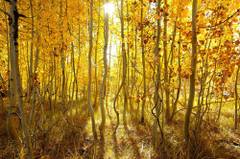
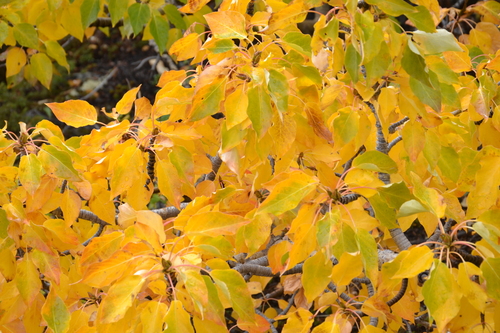
Dark green above, white to silvery-gray beneath — the contrast between upper and lower surfaces is diagnostic; triangular to broadly ovate, 3-8 inches (7.5-20 cm), with rounded teeth; flattened petioles cause leaves to flutter and tremble in light breezes (a poplar trait shared with quaking aspen, P. tremuloides); foliage turns yellow to gold in fall.Growing Conditions
Sun Requirements
Requires 6-12 hours of direct sunlight daily
• Full Sun: 6+ hours of direct sunlight
• Partial Shade: 3-6 hours of direct sunlight
• Full Shade: Less than 3 hours of direct sunlight
Care & Maintenance
Care Guide
Grown in full sun with 6-12 hours of direct sun. Soil tolerates clay, loam, silt, or sand with a pH of 5.0-7.5; the species requires consistently moist riparian or floodplain conditions. Cold-hardy to zone 3. Aggressive water-seeking roots damage foundations, sewer lines, and septic systems; suitable only for large-scale landscapes far from structures. Non-toxic. Hardy in zones 3-9.Pruning
Pruned in late fall (November-December) when dormant. Large-tree pruning of established specimens is performed by certified arborists. The wood is weak and branch failure is common in storms; trees near structures and pathways need periodic hazard inspection.Pruning Schedule
Prune: November–December
fall