Image 1 of 13
1 / 13
Plant Reference
Populus, Genus, nigra, Species, 'Italica', Cultivar,
- Genus & species
- Cultivar
Lombardy poplar
Cultivar originating in the Lombardy region of northern Italy; the parent species {Populus nigra} (black poplar) is native to Europe, western Asia, and North Africa
Overview
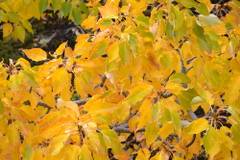
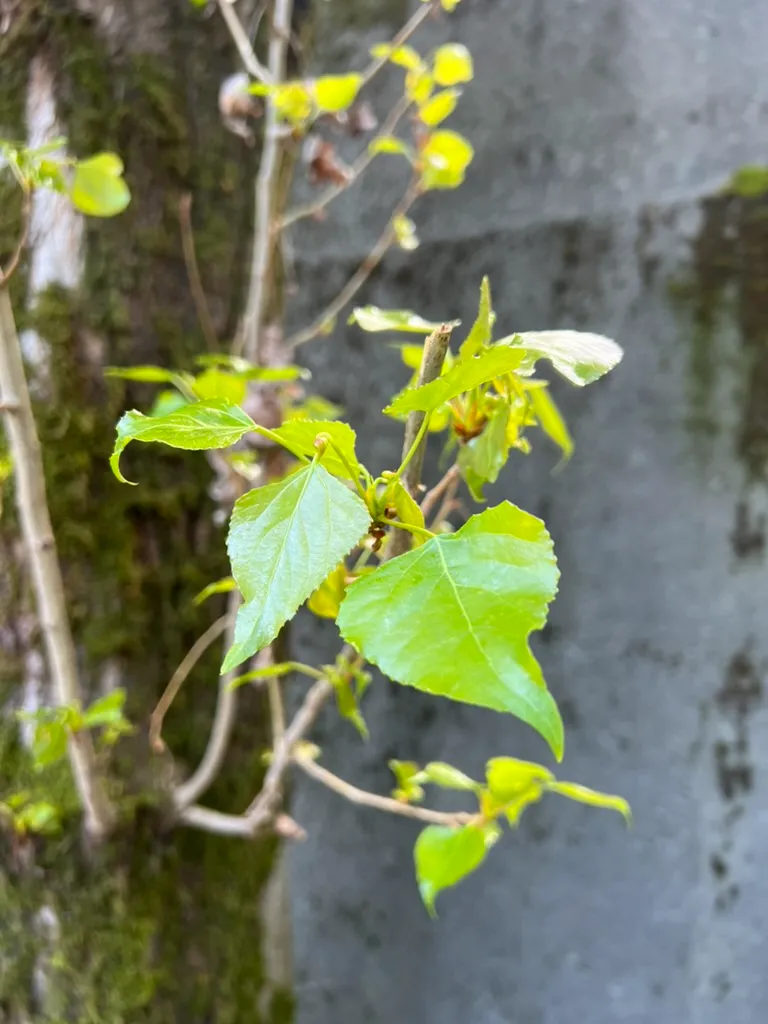
Populus nigra 'Italica' is a narrowly columnar (fastigiate) deciduous tree cultivar in the family Salicaceae, reaching 40-60 feet (12-18 m) tall and only 10-15 feet (3-4.5 m) wide with all branches growing sharply upward against the trunk to produce the characteristic pencil-like silhouette. Leaves are broadly triangular (deltoid), 2-4 inches (5-10 cm) wide, medium green, and borne on flattened petioles that cause the leaves to flutter in the slightest breeze — the same flattened-petiole trait that produces the trembling effect in Populus tremuloides and other members of the genus. Spring foliage emerges with a bronze tint before maturing to medium green, and fall color is yellow with leaves dropping early compared to most other deciduous trees. Reddish male catkins 2-3 inches (5-7 cm) long open in March and April before leaf emergence, and all cultivated 'Italica' specimens in commerce are male clones so no cottony seed is produced — the original selection arose in the Lombardy region of northern Italy and has been propagated clonally from cuttings since the 18th century. Growth is very fast at 4-6 feet (1.2-1.8 m) per year during the first decade, and young specimens reach full height within 10-15 years after planting. Cytospora canker (Cytospora chrysosperma) kills branches progressively beginning at age 15-20 years in typical cultivation and usually kills the entire tree within 5-10 years of canker onset — the working lifespan is limited to 15-25 years, and planted rows planted simultaneously typically fail over a narrow window as the entire cohort reaches the canker-susceptible age together. The aggressive root system invades sewer lines, septic systems, and building foundations within 50 feet (15 m) of the trunk and is the central siting concern for the cultivar in residential and urban landscapes. Wood is weak and brittle, and branch and trunk failure in storms is common on mature specimens. The combination of very fast early growth, strict columnar form, and short lifespan made the cultivar a popular choice for quick windbreaks and property-line screens during the 19th and 20th centuries before the canker susceptibility became widely understood; longer-lived fastigiate alternatives are now specified for most new plantings.
Native Range
The cultivar 'Italica' originated in the Lombardy region of northern Italy during the 18th century as a selected form of the European black poplar, and it has been propagated clonally from cuttings since. The parent species Populus nigra is native to Europe, western Asia, and North Africa, where it grows along rivers, streams, and moist lowland sites. The cultivar itself does not occur in wild populations and exists only through vegetative propagation of the original male selection.Suggested Uses
Historically planted as a fast-growing windbreak row, property screen, farm field shelter belt, or vertical landscape accent at 10-15 foot (3-4.5 m) spacing in zones 3-9. The narrow columnar form and very fast early growth made the cultivar a 19th and 20th century standard for agricultural windbreaks and quick boundary screens, particularly across the Great Plains and in European rural landscapes. Canker susceptibility limits the working lifespan to 15-25 years, and longer-lived fastigiate alternatives such as Quercus robur 'Fastigiata' (columnar English oak) or Carpinus betulus 'Fastigiata' (columnar European hornbeam) are substituted in most new plantings where decades-long investment is wanted. The aggressive root system limits siting to positions at least 50 feet (15 m) from sewer lines, septic systems, building foundations, and paved surfaces, and the cultivar is not suited to small residential lots, urban planting strips, or any position close to underground utilities. Replacement plantings on a rotating schedule are the historical management approach where the narrow columnar form carries specific design value that alternatives cannot match.How to Identify
Appearance
Size & Dimensions
Height40' - 60'
Width/Spread10' - 15'
Bloom Information
Reddish male catkins 2-3 inches (5-7 cm) long open in March and April before leaf emergence, lasting approximately 1 week. All cultivated 'Italica' specimens are male clones and do not produce cottony seed, which is a primary reason the cultivar was historically chosen over the species for residential and street-tree positions where cotton litter from female poplars was a concern. Wind-pollinated.
Detailed Descriptions
Flower Description
reddish male catkins 2-3 inches (5-7 cm) long before leaf emergence; all cultivated 'Italica' specimens are male clones so no cottony seed is produced; wind-pollinatedFoliage Description
medium green, broadly triangular (deltoid), 2-4 inches (5-10 cm) wide with finely serrated margins; borne on flattened petioles that cause the leaves to flutter in the slightest breeze; emerging with a bronze tint in spring; turns yellow in fall and drops earlyGrowing Conditions
Sun Requirements
Requires 6-12 hours of direct sunlight daily
• Full Sun: 6+ hours of direct sunlight
• Partial Shade: 3-6 hours of direct sunlight
• Full Shade: Less than 3 hours of direct sunlight
Care & Maintenance
Care Guide
Plant in well-drained soil with a pH of 5.0-8.0 in full sun; tolerated soil types include loam, clay, sand, and silt. The cultivar tolerates alkaline chalk and drought once established but establishes and grows most rapidly in moist loam. Water weekly through the first 1-2 growing seasons. Cytospora canker (Cytospora chrysosperma) kills branches progressively beginning at age 15-20 years and usually kills the entire tree within 5-10 years of canker onset, and the working lifespan of the cultivar is limited to 15-25 years regardless of site conditions or care — this short working lifespan is the central cultivation concern. The aggressive root system invades sewer lines, septic systems, and building foundations within 50 feet (15 m) of the trunk, and siting within this distance of underground utilities or foundations creates infrastructure damage as the tree matures. Wood is weak and brittle, and branch and trunk failures in storms become recurring on mature specimens. Pruning is done during the dormant season (January-February) and canker-infected branches are removed 12 inches (30 cm) below visible infection with pruning tools disinfected between cuts to prevent spreading the fungus to healthy wood.Pruning
Pruning is done during the dormant season (January through February). Dead branches and branches showing Cytospora canker symptoms are removed by cutting 12 inches (30 cm) below the visible infection point, and pruning tools are disinfected with 70% isopropyl alcohol or a 10% bleach solution between cuts to prevent transferring the fungus to healthy wood. The strict columnar habit develops naturally and attempts to widen the form through heading cuts produce weak water sprouts rather than lasting structural changes. Basal suckers and root suckers are removed at their point of origin because the cultivar produces these vigorously from the shallow root system.Pruning Schedule
Prune: January–February
winter