Populus, Genus, tremula, Species,
- Genus & species
European aspen
Overview
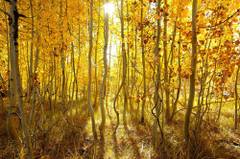
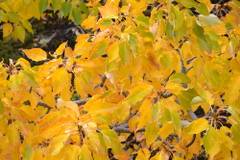
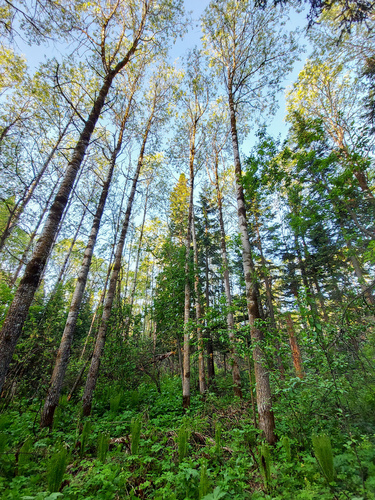
Populus tremula is a fast-growing deciduous tree reaching 40-65 feet (12-20 m) tall and 20-30 feet (6-9 m) wide, with a narrow, open crown and a trunk to about 3 feet (1 m) in diameter. The bark is smooth and gray-green when young, developing dark furrows at the base with age. Nearly round leaves, 1-3 inches (2.5-7.5 cm) across, have flattened leaf stalks that let the foliage tremble in the lightest breeze. Leaves emerge bronze, turn dull green, and shift to yellow before falling. The species is dioecious: male and female catkins 1.5-3 inches (4-7.5 cm) long hang from separate trees in early spring before the leaves. Female trees release cottony, wind-borne seed in early summer. Trees sucker freely from shallow roots, forming clonal groves that can cover large areas and persist for centuries. The wood is soft and weak, and limbs break in storms; individual stems are also short-lived, often declining within 50-60 years.
Native Range
Native across Europe and northern Asia, from Iceland and the British Isles east to Kamchatka and south to North Africa and the Himalayas. Grows in a wide range of habitats, from lowland woods to mountain slopes up to about 6,500 feet (2,000 m), often as a pioneer on cleared or burned ground.Suggested Uses
Planted in parks, shelterbelts, and large naturalistic landscapes, and used in land reclamation and erosion control on disturbed sites. The suckering habit and brittle wood limit its use near buildings, paving, and small gardens. Spaced 20-30 feet (6-9 m) apart where grown as individual trees.How to Identify
Appearance
Size & Dimensions
Height40' - 65'
Width/Spread20' - 30'
Bloom Information
Catkins open in early spring, usually March to April, well before the leaves expand. Male and female catkins occur on separate trees and are wind-pollinated over two to three weeks. Female trees shed plumed seed in late spring to early summer.
Detailed Descriptions
Flower Description
green to reddishFoliage Description
greenGrowing Conditions
Sun Requirements
Requires 6-12 hours of direct sunlight daily
• Full Sun: 6+ hours of direct sunlight
• Partial Shade: 3-6 hours of direct sunlight
• Full Shade: Less than 3 hours of direct sunlight
Care & Maintenance
Care Guide
Grows in full sun on moist, well-drained soils and tolerates poor, sandy, and rocky ground as a pioneer species. It is cold-hardy and wind-firm but casts only light shade. Roots sucker aggressively and can send up shoots many yards from the trunk, lifting paving and invading lawns. The soft wood is prone to storm breakage, and trunks are susceptible to fungal heart rot and canker. Trees establish quickly and reach full height within 20-30 years, then decline as individual stems while the clone persists through suckers.Pruning
Pruning is done in late summer or fall to limit the sap bleeding common in the willow family. Dead and storm-damaged limbs, which form readily in the brittle wood, are taken out as they appear. Root suckers are cut or mown where the spreading habit is unwanted.Pruning Schedule
Prune: August–October
summerfall