Populus, Genus, spp., Multiple species,
- Genus
- Multiple species
poplars, cottonwoods, and aspens
Northern Hemisphere temperate and boreal regions
Overview
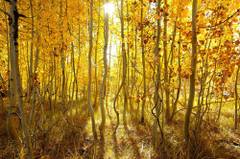
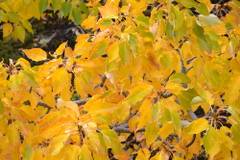
Populus is a genus of about 25 to 35 species of fast-growing deciduous trees in the willow family, Salicaceae, native across the cooler temperate regions of the Northern Hemisphere. The group includes the poplars, cottonwoods, and aspens, reaching 50 to 160 feet (15 to 50 m) tall with broad to narrow crowns and trunks up to several feet across. Leaves are alternate, simple, and often triangular or rounded, 2 to 6 inches (5 to 15 cm) long, frequently on flattened stalks that make them tremble in wind, and they turn yellow to gold before dropping in autumn. The trees are dioecious, with male and female catkins on separate trees opening in early spring before the leaves; female trees release seed wrapped in white cottony fluff. Populus grows in USDA zones 2 to 9, mostly in moist soils and along watercourses. The wood is weak and breakage-prone, the roots are aggressive and invade drains and pavement, many species sucker into thickets, and the trees are short-lived and subject to canker and rust.
Native Range
Native across the cooler temperate and boreal regions of the Northern Hemisphere, including North America, Europe, North Africa, and Asia. Many species, such as the eastern cottonwood P. deltoides and the quaking aspen P. tremuloides, are native to North America, where they grow along rivers, on floodplains, and in cool uplands.Suggested Uses
Planted as fast-growing shade, screen, and shelterbelt trees, in riparian restoration, and in short-rotation plantations for pulp and biomass. Aspens are grown for their autumn color and clonal groves in cool regions. The aggressive roots, weak wood, and seed litter limit use in small or paved gardens.How to Identify
Appearance
Size & Dimensions
Height50' - 160'
Width/Spread20' - 50'
Bloom Information
Catkins open in early spring, usually March into April, before the leaves emerge, with male and female catkins on separate trees. Wind carries the pollen, and pollinated female catkins ripen by late spring. Female trees then shed seed in masses of white cottony fluff.
Detailed Descriptions
Flower Description
reddish to greenish catkinsFoliage Description
greenGrowing Conditions
Sun Requirements
Requires 6-8 hours of direct sunlight daily
• Full Sun: 6+ hours of direct sunlight
• Partial Shade: 3-6 hours of direct sunlight
• Full Shade: Less than 3 hours of direct sunlight
Care & Maintenance
Care Guide
Grows in full sun in moist, deep soil and along streambanks, tolerating seasonal flooding and a range of soil textures. Young trees grow rapidly with steady moisture, while drought slows growth and increases dieback. Cold hardiness spans USDA zones 2 to 9. The trees are prone to cytospora canker, leaf rust, and storm breakage, and the vigorous, shallow roots can lift pavement and enter drains and septic lines, so the trees are typically sited away from buildings and utilities. Most species need little feeding in suitable soil.Pruning
Pruning is done in summer for many species, since cuts made in late winter bleed sap heavily, while dead and broken limbs are removed whenever they appear. The soft wood and rapid growth call for regular removal of weak, crossing branches. Suckers are cut or mown to limit spread into thickets.Pruning Schedule
Prune: July–August
summer