Polystichum, Genus, tsus-simense, Species,
- Genus & species
Korean rock fern
East Asia (Japan, Korea, China, Taiwan, Thailand; moist shaded forests and rocky slopes at low to moderate elevations); named for Tsushima Island, where the species was first collected
Overview
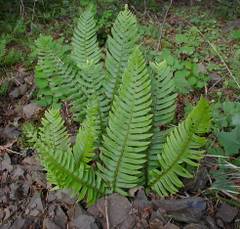
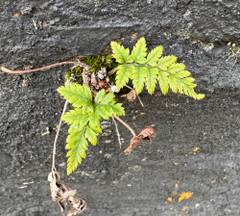
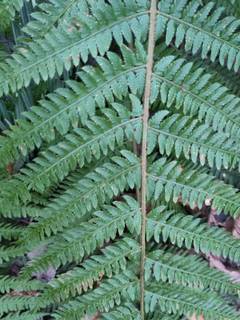
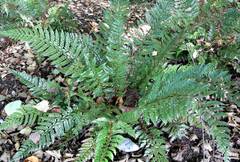
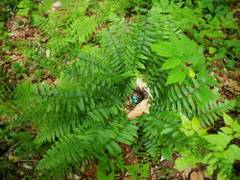
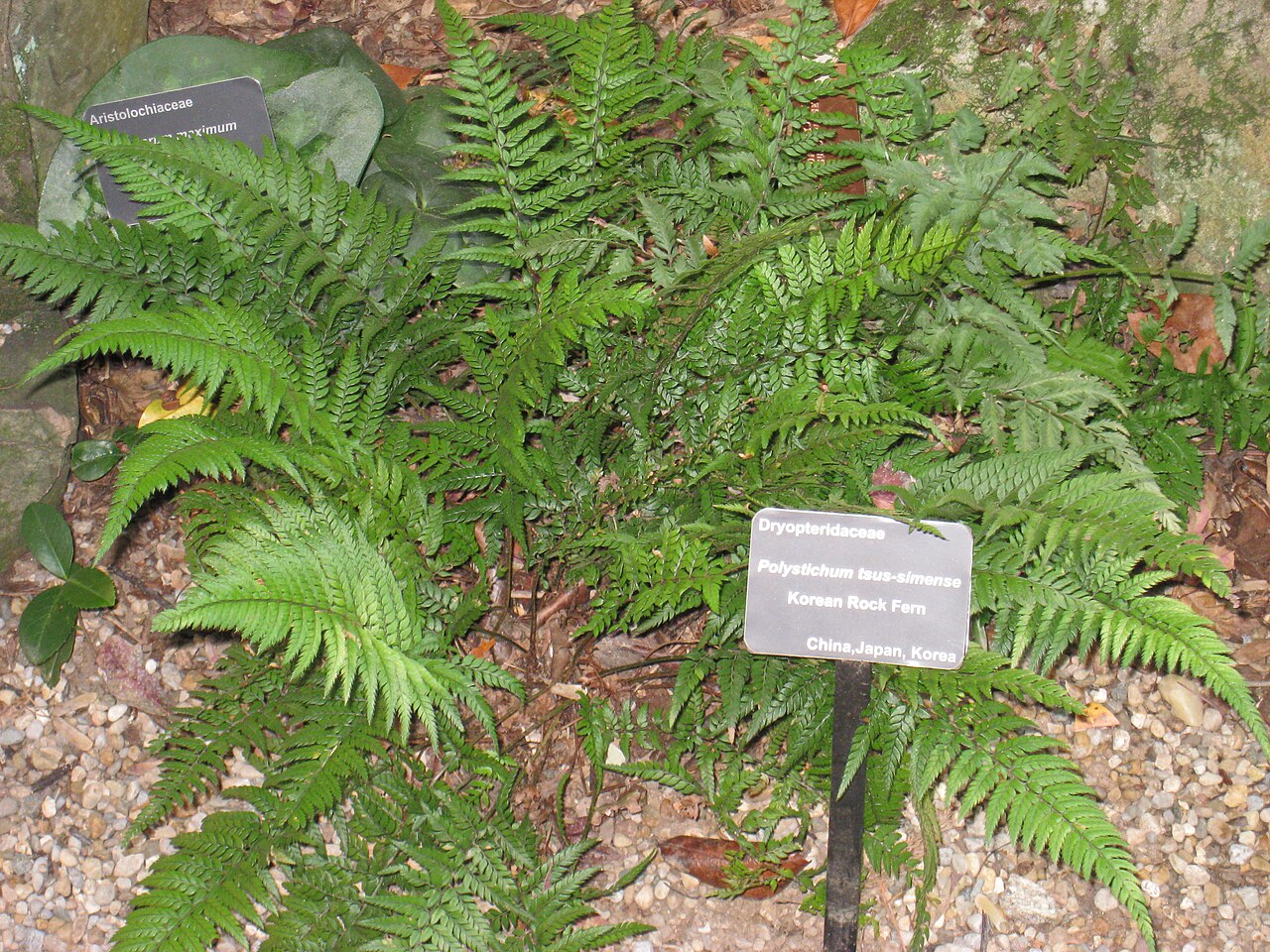
Polystichum tsus-simense is an evergreen fern reaching 12-18 inches (30-45 cm) tall with a spread of 15-24 inches (38-60 cm) and a low, arching to spreading, vase-shaped habit. This compact holly fern carries bipinnate fronds 12-18 inches (30-45 cm) long with small dark green triangular to ovate pinnae carrying finely serrated edges and holly-like teeth. The rachis is dark brown to black with scattered brown scales. New fronds emerge in spring with a bronzy tinge before maturing to dark green. Growth rate is slow to moderate. Hardy to USDA zone 6. Non-toxic. The mature size is smaller than most other Polystichum species in cultivation — P. makinoi reaches 12-18 inches (30-45 cm) tall and P. neolobatum reaches 18-24 inches (45-60 cm) — and the bipinnate frond division produces a narrower-cut leaf outline than the once-pinnate species. More tolerant of somewhat drier conditions once established than other holly ferns, though consistent moisture remains the baseline requirement. Named for Tsushima Island, between Japan and Korea, where the species was first collected for science.
Native Range
Polystichum tsus-simense is native to eastern Asia — Japan, Korea, China, Taiwan, and Thailand — in moist, shaded forests and on rocky slopes at low to moderate elevations.Suggested Uses
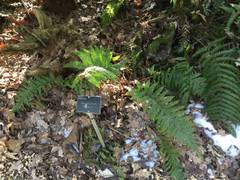
Used in shade gardens, containers, rock gardens, and along path edges in zones 6-9 at 12-18 inch (30-45 cm) spacing. The compact 12-18 inch (30-45 cm) habit and narrowly divided bipinnate fronds match the scale of small shade plantings where larger holly ferns overwhelm their neighbors. Containers of 2 gallons (7.5 L) minimum suit the habit; the slow growth rate keeps the same pot appropriate for several years. Somewhat greater drought tolerance once established widens the siting range into drier shade than most Polystichum will accept. Not suited to full sun, unamended dry sites, or exposed windy locations.How to Identify
Appearance
Size & Dimensions
Height1' - 1'6"
Width/Spread1'3" - 2'
Bloom Information
Ferns reproduce by spores rather than flowers. Sori form in rows on the undersides of fronds and are covered by round indusia. The evergreen fronds act as the year-round ornamental feature in place of flowering.
Detailed Descriptions
Foliage Description
Dark green; bipinnate fronds 12-18 inches (30-45 cm) long with small narrow pinnae on a dark brown to black rachis; new growth emerges with a bronzy tingeGrowing Conditions
Sun Requirements
Requires 2-4 hours of direct sunlight daily
• Full Sun: 6+ hours of direct sunlight
• Partial Shade: 3-6 hours of direct sunlight
• Full Shade: Less than 3 hours of direct sunlight
Care & Maintenance
Care Guide
Grows in partial to full shade in moist, humus-rich, well-drained soil at pH 5.5-7.0. Hardy to USDA zone 6. Consistent moisture is the baseline requirement for healthy fronds; drought stress causes frond browning and tip dieback. Once established, tolerates somewhat drier conditions than most other Polystichum species. Growth is slower and the plant stays smaller than other holly ferns, so mature dimensions remain predictable through the planting's lifetime.Pruning
Remove old tattered fronds in late winter before new fiddleheads emerge. No other pruning is needed. Evergreen fronds from the prior year may persist through winter in mild climates and can be cut back cleanly once new growth starts.Pruning Schedule
Prune: February–March
late winter
Container Growing
Suitable for container growing
Minimum container size: 2 gallons