Polystichum, Genus, acrostichoides, Species,
- Genus & species
christmas fern
Eastern North America, from Nova Scotia south to Florida and west to Minnesota and Texas
Overview
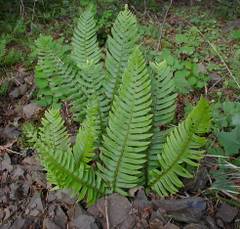
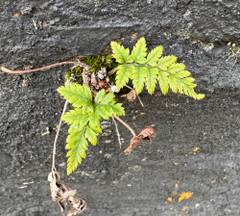
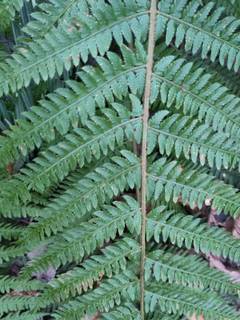
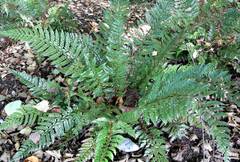
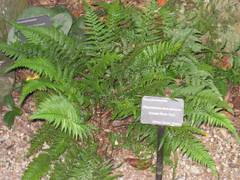
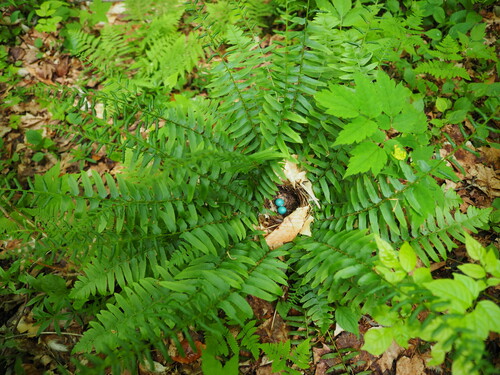
Polystichum acrostichoides is a widely grown native evergreen fern of eastern North America, forming a clump 12-24 inches (30-60 cm) tall and 18-24 inches (45-60 cm) wide. The common name Christmas fern comes from the evergreen fronds that remain green through winter, providing Christmas decorations for early American settlers. Each frond is once-pinnate with dark green glossy leathery pinnae that have an ear-like lobe (auricle) at the upper base of each pinna; this ear shape resembles a Christmas stocking in outline and gives the most reliable field identification trait. New fronds emerge as tightly coiled silvery-white fiddleheads in spring, covered in pale brown scales. The evergreen old fronds flatten to the ground over winter under snow weight, forming a natural mulch layer; they are removed in early spring as the new fiddleheads emerge. The fertile upper pinnae on some fronds are noticeably smaller and narrower than the sterile lower pinnae, with sori covering the entire underside; this dimorphic frond structure (fertile tips on otherwise sterile fronds) is an acrostichoid pattern referenced in the species name. The clumping habit does not spread by rhizomes, and this is a non-invasive fern that stays where planted. Once established, the species tolerates drought better than most ferns, persisting in dry shade under mature trees where many ferns would fail. The wide hardiness range (zones 3-9) and adaptability suit this species to many garden uses. Deer rarely browse ferns.
Native Range
Polystichum acrostichoides is native to eastern North America, from Nova Scotia south to Florida and west to Minnesota and Texas. It is a common woodland fern in the eastern deciduous forest, growing on shaded slopes, stream banks, and rocky woodland floor.Suggested Uses
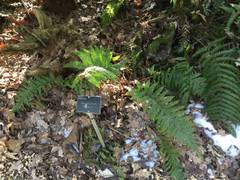
Used in woodland gardens, along shaded paths, under deciduous trees, and on shaded slopes for erosion control. The evergreen fronds add winter presence that deciduous ferns cannot. Container culture in pots of 5 gallons (19 liters) or more. Mass plantings at 18-inch (45 cm) spacing create a year-round evergreen ground cover. A reliable fern for dry shade under mature trees.How to Identify
Appearance
Size & Dimensions
Height1' - 2'
Width/Spread1'6" - 2'
Reproduction
Sori cover the entire undersurface of the narrowed fertile pinnae at the frond tip in midsummer.
Detailed Descriptions
Foliage Description
Dark green; glossy; leathery; once-pinnate with ear-shaped pinna basesGrowing Conditions
Sun Requirements
Requires 2-5 hours of direct sunlight daily
• Full Sun: 6+ hours of direct sunlight
• Partial Shade: 3-6 hours of direct sunlight
• Full Shade: Less than 3 hours of direct sunlight
Care & Maintenance
Care Guide
Sited in partial to full shade with 2-5 hours of filtered light. Moist humus-rich well-drained soil supports the strongest growth, but the species tolerates dry shade once established and is among the more drought-tolerant native ferns. Mulched with leaf mold. Old flattened fronds are removed in early spring as silvery-white fiddleheads emerge. Fertilization is not used.Pruning
Old flattened evergreen fronds are removed in early spring before new fiddleheads unfurl. This annual cleanup is the only maintenance needed.Pruning Schedule
Prune: March
early spring
Container Growing
Suitable for container growing
Minimum container size: 5 gallons