Image 1 of 6
1 / 6
Plant Reference
Polystichum, Genus, setiferum, Species,
- Genus & species
soft shield fern
Europe, western Asia, and North Africa; woodland understory, hedgerows, and rocky banks from sea level to mountain elevations
Overview
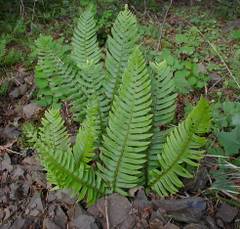
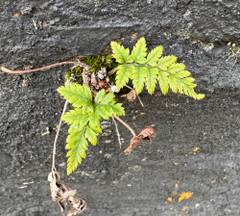
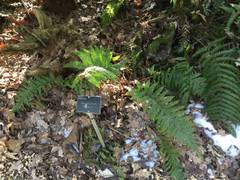
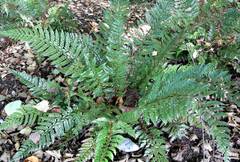
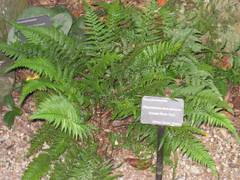
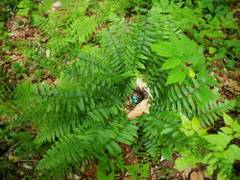
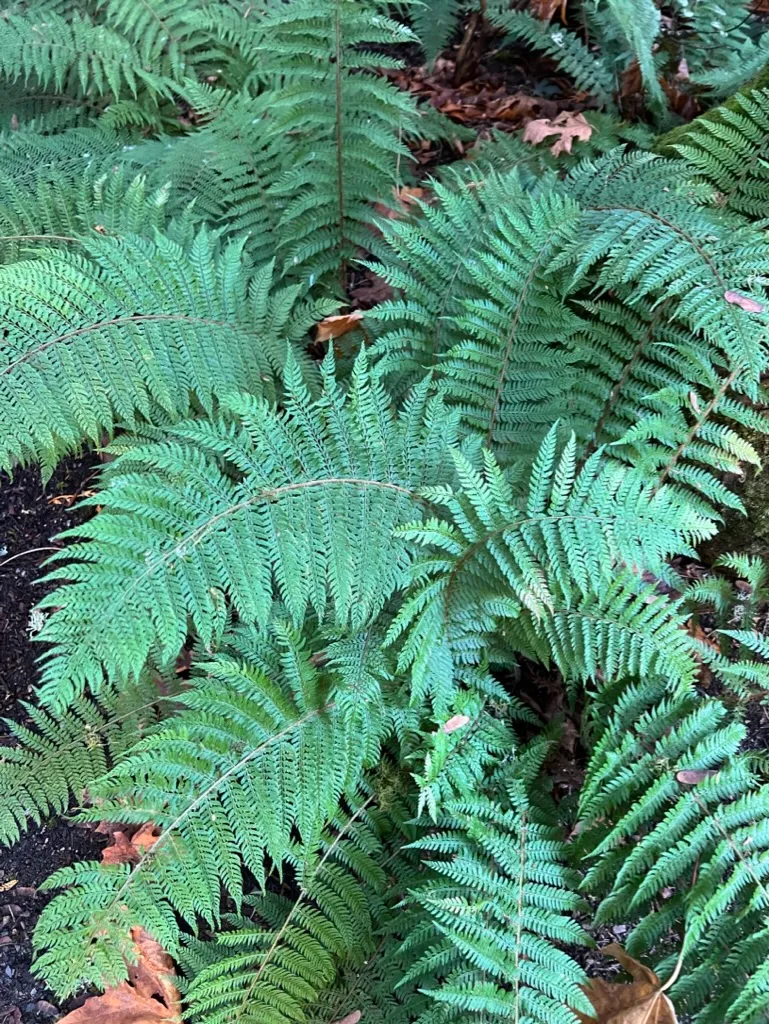
Polystichum setiferum is a clumping evergreen fern in the family Dryopteridaceae growing 18–36 inches (45–90 cm) tall and 24–48 inches (60–120 cm) wide from a central crown that produces bipinnate to tripinnate fronds arching gracefully outward in a vase-shaped clump. The specific epithet setiferum is from Latin saeta meaning bristle and ferre meaning to bear and refers to the bristle-like covering of small dark-tipped scales on the stipe (the stalk below the leafy portion of the frond) and along the rachis, and the new spring fiddleheads emerge densely clothed in golden to silvery overlapping scales that catch low spring light as the fronds unroll from the central crown. Fronds are medium to dark green with a soft matte surface (not the polished glossy lacquered surface of the related P. polyblepharum), and the pinnules (the small leaflets at the third division of the frond) are soft-textured and not stiff or prickly to the touch — the soft-pinnule character is the source of the common name soft shield fern and separates the species from the stiff prickly P. aculeatum (hard shield fern) and from the polished P. polyblepharum (Korean tassel fern). The species is exceptionally variable in cultivation — hundreds of named cultivars have been selected over centuries of cultivation in British gardens for variations in frond division (bipinnate to extremely finely divided tripinnate or quadripinnate forms), in pinnule shape (broad rounded pinnules, narrow pointed pinnules, crisped or undulate pinnule margins), in frond cresting (forking at the frond tip), and in proliferation along the rachis. The Divisilobum Group (more finely divided fronds) and the Plumosum Group (extremely soft plume-like fronds) are the most encountered cultivar groupings in the British and North American nursery trade. The species supports vegetative propagation through bulbils (small vegetative bud-like growths) that develop along the upper surface of the rachis on mature fronds and that drop and root into damp soil to produce new plants — the bulbil-producing habit is not shared by most other commonly cultivated hardy ferns and supports the easy vegetative increase that has supported the species' centuries-long history of cultivar selection in British gardens. Limitation: the species is not drought-tolerant and calls for consistent moisture through the growing season — dry-summer regions without supplemental irrigation are unsuitable for in-ground plantings. Tolerates alkaline or chalky soil up to pH 7.0 — this chalk tolerance separates the species from most other commonly cultivated hardy ferns that call for strictly acidic soil. Native to Europe, western Asia, and North Africa. Non-toxic. Deer-resistant.
Native Range
Native to Europe, western Asia, and North Africa, growing in woodland understory, in hedgerows (the source of the alternative common name hedge fern), and on rocky banks from sea level in coastal regions to mountain elevations on a wide range of soil types including chalk, limestone, and acidic forest soils. The species' wide native range and broad ecological tolerance support the species' long history of garden cultivation in Britain, where the species has been cultivated since at least the 17th century and where the centuries of cultivar selection by British plantsmen have produced the hundreds of named cultivars in the modern nursery trade.Suggested Uses
Used in shade gardens, woodland understory plantings under high deciduous canopy, mixed shade borders alongside Hosta, Heuchera, and Tiarella companions, hedgerow-edge naturalistic plantings, chalk-soil and limestone-bedrock gardens (where most other hardy ferns fail), and container specimens in containers of at least 3 gallons (11 L) at 24–48 inch (60–120 cm) spacing between plants in USDA zones 5 through 9. The soft-textured matte-surfaced bipinnate to tripinnate fronds, the golden-to-silvery scaled spring fiddleheads, the year-round vase-shaped foliage clump, the chalk and alkaline soil tolerance not shared by most other hardy ferns, and the centuries-long cultivar selection history that supplies hundreds of named forms combine for a foundation evergreen shade fern across temperate-region gardens. Dry-summer regions without supplemental irrigation and full-sun hot-afternoon-exposure positions are unsuitable because of the moisture and shade requirements of the species.How to Identify
Appearance
Size & Dimensions
Height1'6" - 3'
Width/Spread2' - 4'
Reproduction
The bulbil-producing vegetative pathway is not shared by most other commonly cultivated hardy ferns and supports the easy vegetative increase of selected cultivars that have been propagated in British gardens for centuries.
Detailed Descriptions
Foliage Description
medium green to dark green with a soft matte surface (not glossy — separating the species from the lacquered P. polyblepharum); bipinnate to tripinnate fronds 18-36 inches (45-90 cm) long arching gracefully outward from a central crown; the pinnules (the small leaflets at the third division of the frond) are soft-textured and not stiff or prickly to the touch — the soft-pinnule character is the source of the common name soft shield fern; new spring fiddleheads densely covered in golden to silvery overlapping scales as they unfurl from the crown; evergreen year-roundGrowing Conditions
Sun Requirements
Requires 1-4 hours of direct sunlight daily
• Full Sun: 6+ hours of direct sunlight
• Partial Shade: 3-6 hours of direct sunlight
• Full Shade: Less than 3 hours of direct sunlight
Care & Maintenance
Care Guide
Site in full shade to part shade with 1–4 hours of direct sun per day in well-drained loam, chalk, or peat-amended soil with a pH of 5.5–7.0 — the species accepts alkaline or chalky garden soils that exclude most other commonly cultivated hardy ferns, and the chalk tolerance is the species' practical advantage in limestone-bedrock garden regions. The species is not drought-tolerant and calls for consistent moisture through the growing season — dry-summer regions without supplemental irrigation are unsuitable for in-ground plantings. Old tattered or browned fronds are removed at the crown base in early spring (March or April) before the new spring fiddleheads emerge from the center of the crown. Vegetative propagation by bulbils is supported by laying spent fronds face-down on damp soil after the spring cleanup and weighting them lightly with stones or pegs to keep the bulbils in contact with the soil — the bulbils root and produce new plantlets within 6–12 months. Non-toxic. Deer-resistant. Hardy in USDA zones 5–9.Pruning
Old tattered or browned fronds are cut off at the crown base in early spring (March or April) before the new spring fiddleheads emerge from the center of the crown. To propagate vegetatively from bulbils, spent fronds carrying mature bulbils along the upper rachis surface are laid face-down on damp soil and weighted lightly with stones or pegs to keep the bulbils in contact with the soil — the bulbils root and produce small plantlets within 6–12 months that can be lifted and transplanted to permanent positions.Pruning Schedule
Prune: March–April
early spring
Container Growing
Suitable for container growing
Minimum container size: 3 gallons