Polystichum, Genus, aculeatum, Species,
- Genus & species
hard shield fern
Overview
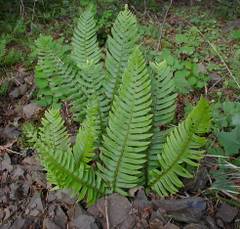
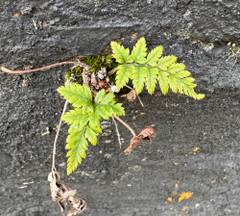
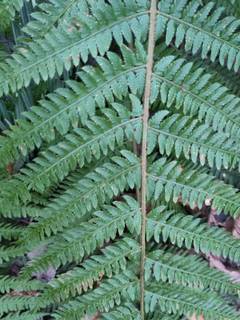
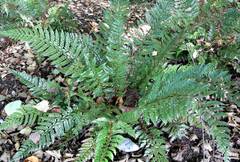
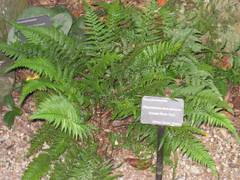
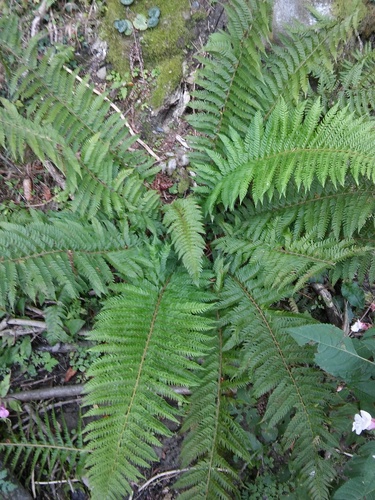
Polystichum aculeatum is an evergreen fern forming a firm rosette (shuttlecock) of leathery, glossy dark-green fronds 12-36 inches (30-90 cm) long. The fronds are twice-divided (bipinnate) and taper at both the tip and the base, with stiff, spine-tipped, holly-like pinnule teeth that are hard to the touch. The frond stalk is short and densely covered with brown scales. Round sori with a central-stalked indusium sit in two rows beneath the pinnules. It grows in woodland, on shaded banks, in ravines, and along hedge banks, mostly on moist, base-rich soils. The fronds stay green through winter but can be flattened by heavy snow. It hybridises with the soft shield fern, Polystichum setiferum, to form P. × bicknellii.
Native Range
Native to Europe, from the British Isles south and east into the mountains of central and southern Europe and on into western Asia. It grows in shaded, humid woodland and on banks, mainly on neutral to lime-rich ground.Suggested Uses
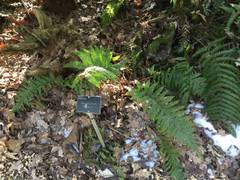
Grown in shaded and woodland gardens, on north-facing banks, in ferneries, and beside shaded steps and walls. The evergreen fronds hold structure through winter. It also suits shaded, humus-rich borders and the cool side of buildings.How to Identify
Appearance
Size & Dimensions
Height1' - 3'
Width/Spread1'6" - 3'
Bloom Information
As a fern, Polystichum aculeatum produces no flowers. Spores ripen in round sori on the frond undersides from midsummer into autumn, about July to September.
Detailed Descriptions
Foliage Description
Glossy dark greenGrowing Conditions
Sun Requirements
Requires 1-4 hours of direct sunlight daily
• Full Sun: 6+ hours of direct sunlight
• Partial Shade: 3-6 hours of direct sunlight
• Full Shade: Less than 3 hours of direct sunlight
Care & Maintenance
Care Guide
Polystichum aculeatum grows in part to full shade on moist, free-draining, humus-rich and base-rich soil at a soil pH of about 6.0-7.5. It needs steady moisture and shelter from drying wind and strong sun, which scorch the fronds. Sharp drainage matters, as waterlogged winter soil can rot the crown. Hardy to about USDA zone 4, it holds its fronds through winter in mild spells. The old fronds can be cut away in late winter before the new ones unfurl. It is slow to establish but long-lived once settled in a shaded, humid spot.Pruning
Tired or winter-damaged fronds can be cut back to the base in late winter or early spring, just before the new croziers unfurl. No other pruning is needed, and the evergreen fronds are otherwise left in place.Container Growing
Suitable for container growing
Minimum container size: 3 gallons