Overview
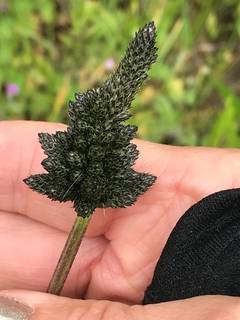
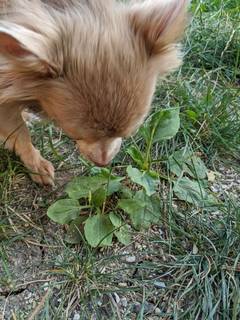
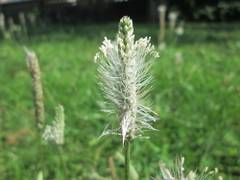
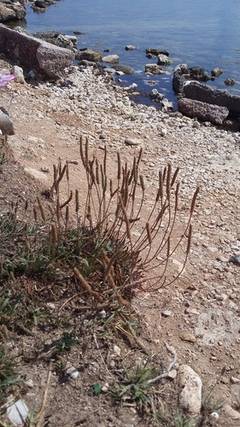
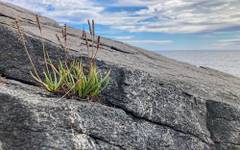
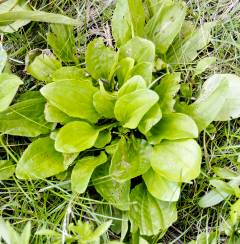
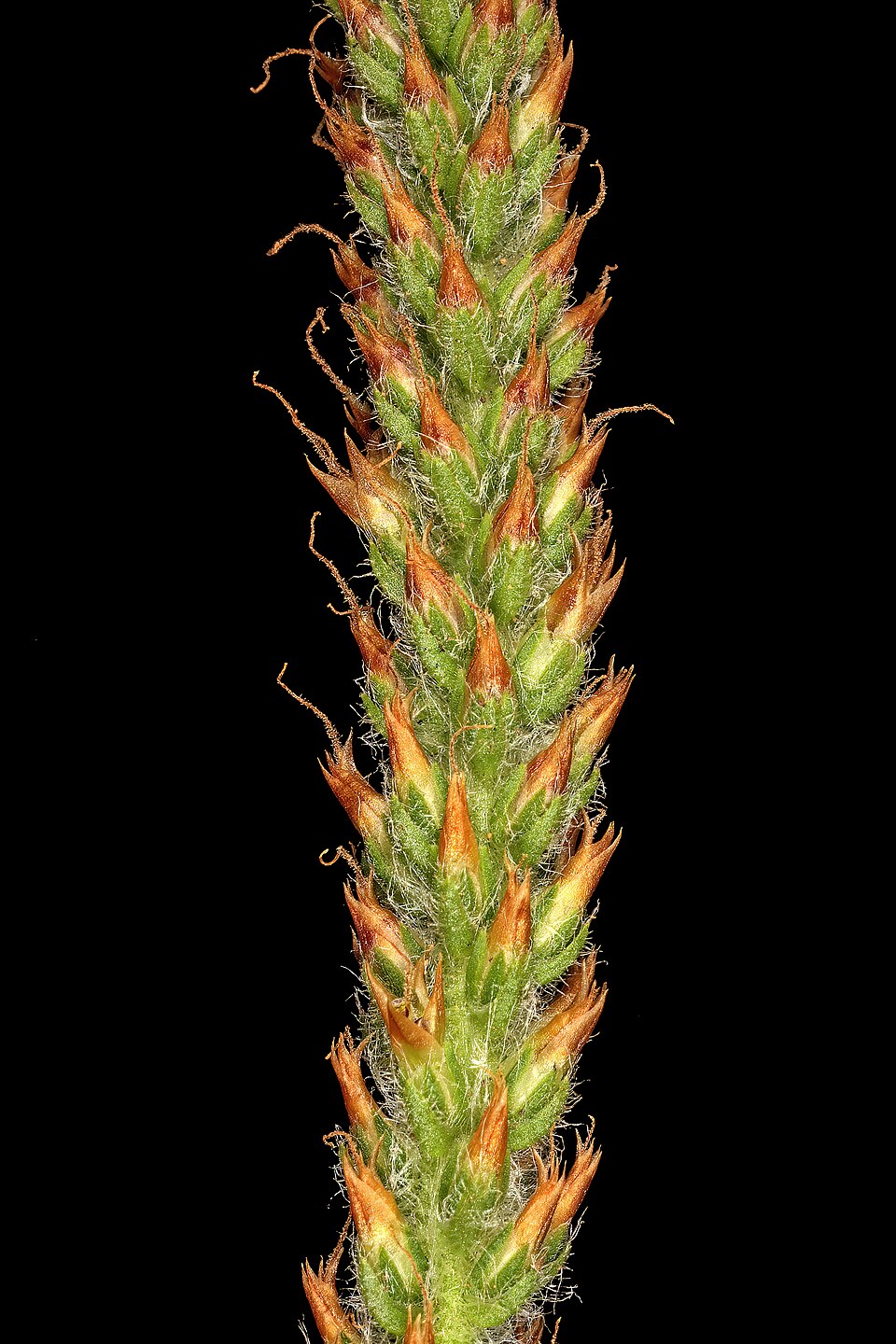
Plantago virginica is a small, soft-hairy annual or biennial forming a basal rosette of oblong to spoon-shaped leaves 1-5 inches (2.5-13 cm) long, from which one or more slender flower stalks rise 2-12 inches (5-30 cm) tall. The whole plant is covered in short grayish hairs, giving the rosette a downy look. In spring each stalk carries a narrow, dense spike of tiny four-lobed flowers, pale and inconspicuous, opening from the base upward; many plants also set seed through closed self-pollinating flowers. The ripe spikes turn straw-brown and hold small capsules that shed seed readily. Native to much of North America, it grows in lawns, fields, sandy soils, roadsides, and other open disturbed ground. It completes its life within a season or two and persists in a site only through its seed. The rosette is low and weakly competitive, easily shaded out by taller plants, and it is widely treated as a lawn and field weed. Bloom is brief, concentrated in spring before the plant dries and dies.
Native Range
Native to much of North America, especially the central and eastern United States, growing in lawns, old fields, sandy soils, roadsides, and other open, disturbed ground.Suggested Uses
Grown mainly in native and restoration plantings and as incidental cover on sandy, disturbed sites. Used to fill bare ground quickly, though it seldom persists as an intended feature. Its weedy spread and short life restrict its use in lawns and ornamental beds.How to Identify
Appearance
Size & Dimensions
Height2" - 1'
Width/Spread2" - 6"
Bloom Information
The narrow flower spikes form in spring, generally March through May. Tiny four-lobed flowers open from the base of the spike upward, pale and easily overlooked, and many seeds set through closed self-pollinating flowers. Wind and self-pollination carry out fertilization.
Detailed Descriptions
Flower Description
Pale white to greenishFoliage Description
Grayish-greenGrowing Conditions
Sun Requirements
Requires 6-12 hours of direct sunlight daily
• Full Sun: 6+ hours of direct sunlight
• Partial Shade: 3-6 hours of direct sunlight
• Full Shade: Less than 3 hours of direct sunlight
Water & Climate
Water Needs
Drought Tolerance
Drought tolerant when established
Care & Maintenance
Care Guide
Full sun and dry to moderately moist sandy soil suit this short-lived plant, which grows on lean, disturbed ground. It tolerates a soil pH from about 5.5 to 7.0 and needs no special care, drawing on a shallow root system. Rich, moist soil and shade weaken the rosette and shorten its life. Plants set abundant seed and return only as volunteers. Few pests trouble it. The rosette dries and dies after seeding, leaving bare ground until the next generation germinates.Pruning
Removing the flower spikes before the seed ripens reduces self-sowing. Whole plants are pulled once they yellow at season end. No structural pruning applies.Toxicity
Non-toxicPlanting Guide
Planting Methods & Timing
Planting Method
direct sow