Plantago, Genus, patagonica, Species,
- Genus & species
woolly plantain
Western North America and southern South America
Overview
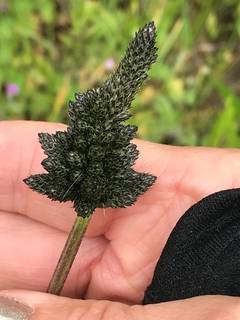
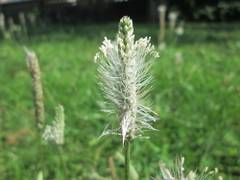
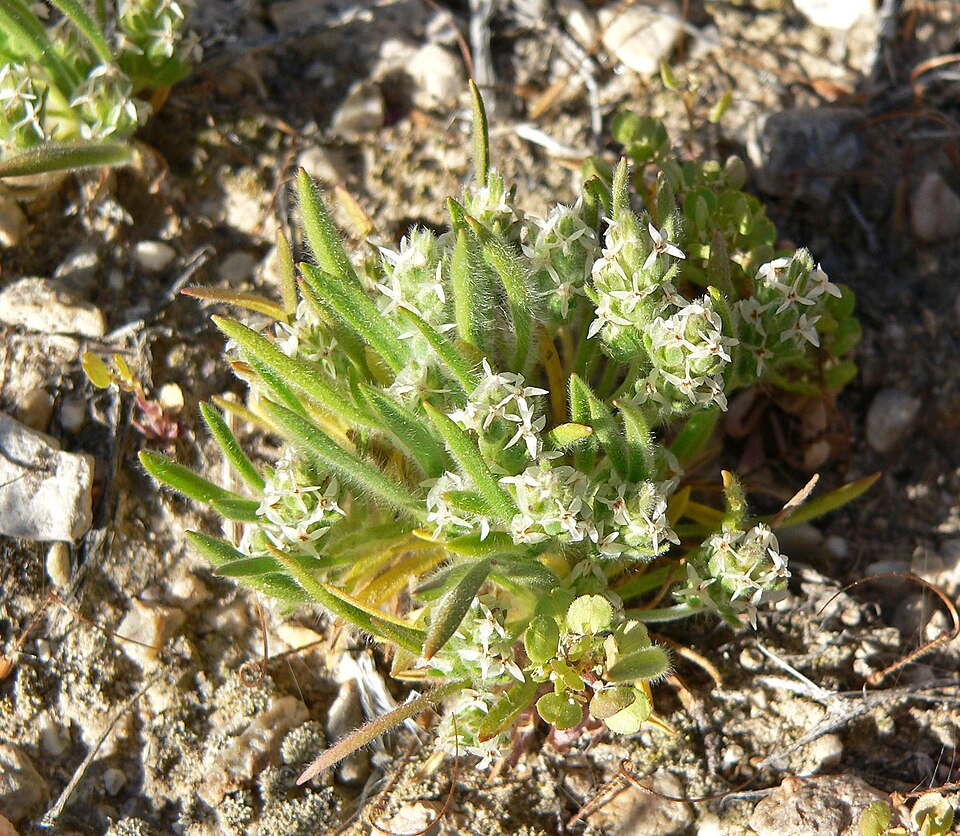
Plantago patagonica is a small annual in the plantain family, growing 2-6 inches (5-15 cm) tall from a basal tuft. The narrow, linear leaves are 1-3 inches (2.5-8 cm) long and densely covered in soft white hairs, giving the whole plant a silvery, woolly look. In late spring and summer, short stalks carry dense, cylindrical flower spikes 0.5-2 inches (1-5 cm) long, woolly with white bracts and tiny, inconspicuous flowers. The plant completes its life cycle in a single season, setting seed and dying. It is adapted to dry, open ground and shallow soils, where larger plants are sparse. Plants are small and easily overlooked except where they grow in dense stands. Growth is rapid in spring, with flowering and seeding within a few months of germination.
Native Range
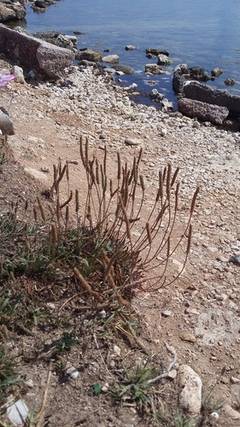
Native to dry, open habitats of North and South America, including the western Great Plains and intermountain regions of North America and arid parts of Patagonia in South America, on sandy and gravelly soils, rangeland, and disturbed ground.Suggested Uses
Grown in dry meadows, rock gardens, and naturalistic plantings on poor soils, where it self-seeds in open ground, spaced 4-6 inches (10-15 cm) apart. It also occurs as a component of native rangeland and restoration seed mixes. The woolly seed spikes are a seed source for small birds.How to Identify
Appearance
Size & Dimensions
Height2" - 6"
Width/Spread2" - 4"
Bloom Information
Detailed Descriptions
Foliage Description
Silvery greenGrowing Conditions
Sun Requirements
Requires 6-12 hours of direct sunlight daily
• Full Sun: 6+ hours of direct sunlight
• Partial Shade: 3-6 hours of direct sunlight
• Full Shade: Less than 3 hours of direct sunlight
Water & Climate
Water Needs
Drought Tolerance
Drought tolerant when established
Care & Maintenance
Care Guide
Grows in full sun in dry, well-drained sandy or gravelly soil, including poor and disturbed ground. As a drought-adapted annual, it needs no supplemental water once established and declines in rich, moist, or shaded conditions. It completes its life cycle quickly and relies on self-seeding to return each year. No routine feeding is needed, and fertile soil favors competing plants. Few pests or diseases affect it. In cultivation it persists only where the ground stays open and dry enough to limit competition.Pruning
No pruning is required for this small annual. Plants can be left to set and drop seed for the following season, or pulled once they finish if self-seeding is not wanted. Spent plants are easily removed by hand.Toxicity
Non-toxicPlanting Guide
Planting Methods & Timing
Planting Method
direct sow
Direct Sow Timing
Early spring
Days to Maturity
50–90 days
Plant Spacing
5 inches