Plantago, Genus, spp., Multiple species,
- Genus
- Multiple species
plantains
Nearly cosmopolitan; all continents except Antarctica
Overview
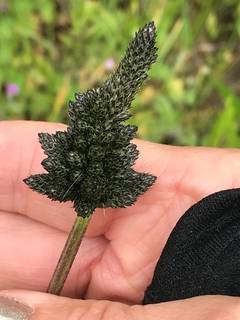
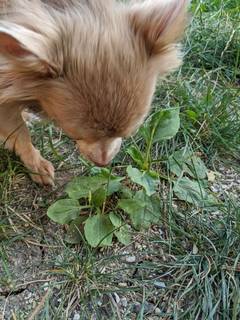
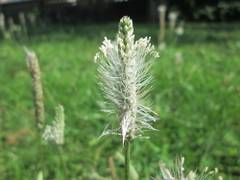
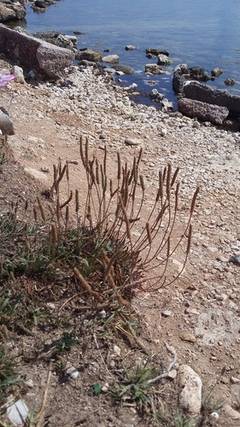
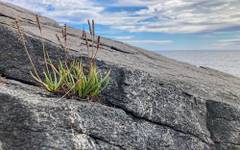
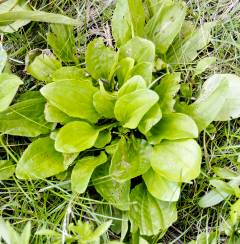
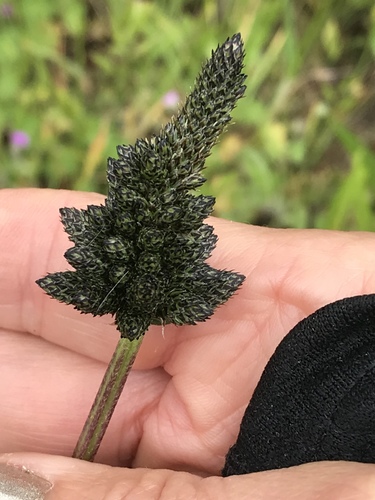
Plantago is a genus of about 200 species of annual and perennial herbs in the family Plantaginaceae, known as plantains, a name unrelated to the banana of the same word. Most species form a low basal rosette of leaves 1 to 12 inches (2.5 to 30 cm) long, ranging from broad and oval to narrow and lance-shaped, with several prominent parallel-running veins. From the rosette rise leafless stalks 2 to 18 inches (5 to 45 cm) tall, each ending in a slender cylindrical spike packed with many tiny flowers. The flowers are wind-pollinated, greenish to brown, with papery petals and protruding stamens, and give way to small capsules holding one to many seeds. Plantago grows on every continent, including the subantarctic islands, occupying lawns, paths, pastures, roadsides, dunes, and saltmarsh. Several species, including broadleaf plantain (P. major) and ribwort plantain (P. lanceolata), are common weeds of compacted ground and turf. The seed husks of P. ovata are the source of psyllium fiber, and many species have a long record of folk medicinal use.
Native Range
Plantago is nearly cosmopolitan, with species native to every continent except Antarctica and reaching subantarctic islands and high mountains. Centers of diversity occur in the Mediterranean, the Americas, and temperate Asia. Plants grow in grasslands, disturbed soils, coastal sand and salt marsh, and alpine turf.Suggested Uses
Ornamental forms such as the purple-leaved P. major cultivars and rose plantain are grown in herb gardens, edging, and containers, spaced 8 to 12 inches (20 to 30 cm) apart. Several species are cultivated for edible young leaves and for psyllium seed. The seed spikes feed finches and other small birds in meadow and wildlife plantings.How to Identify
Appearance
Size & Dimensions
Height2" - 1'6"
Width/Spread4" - 1'4"
Bloom Information
Plantago blooms over a long season, generally from late spring through autumn and nearly year-round in mild climates. The tiny flowers open in a ring that moves up each spike over days, shedding and receiving wind-blown pollen rather than attracting insects. Spikes measure 0.5 to 8 inches (1 to 20 cm) long depending on species. Seed ripens within weeks and can be shed in large numbers.
Detailed Descriptions
Flower Description
greenish to brownFoliage Description
green, sometimes purple-tinged in ornamental formsGrowing Conditions
Sun Requirements
Requires 4-12 hours of direct sunlight daily
• Full Sun: 6+ hours of direct sunlight
• Partial Shade: 3-6 hours of direct sunlight
• Full Shade: Less than 3 hours of direct sunlight
Care & Maintenance
Care Guide
Plantago grows in full sun to partial shade and tolerates a wide range of soils, from sand to heavy clay, at a pH of 5.0 to 7.5, including compacted, trampled, and low-fertility ground that excludes other plants. Most species withstand drought, mowing, and foot traffic once established and are cold hardy to USDA zone 3. Plants need no fertilizer or special care and self-sow readily from abundant seed. In lawns and beds the weedy species spread where turf is thin. Few pests trouble the genus, though leaf miners and rust appear at times.Pruning
Garden and medicinal Plantago need little pruning beyond removing spent flower spikes to limit self-seeding and tidy the rosette. Weedy species in lawns are dug out with their taproot or short rootstock before they set seed. Old outer leaves are pulled as they brown.Pruning Schedule
Prune: July–August
summer
Container Growing
Suitable for container growing
Minimum container size: 1 gallons