Image 1 of 16
1 / 16
Plant Reference
Plantago, Genus, lanceolata, Species,
- Genus & species
English plantain
Europe and western Asia; lawns, pastures, roadsides, and disturbed ground from sea level to approximately 8,000 feet (2,400 m).
Overview
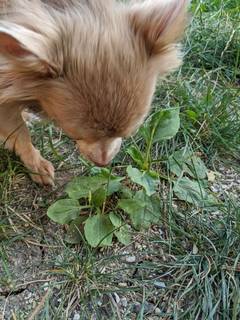
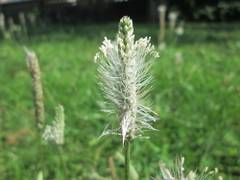
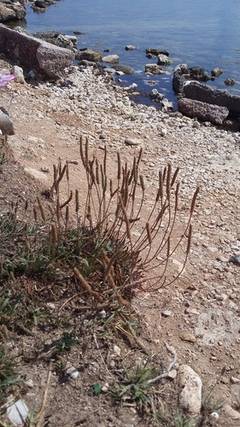
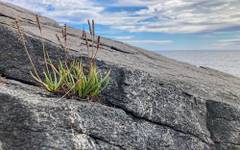
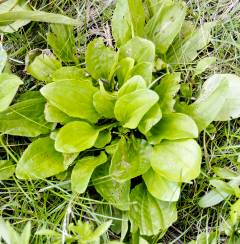
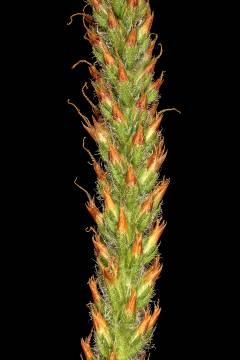
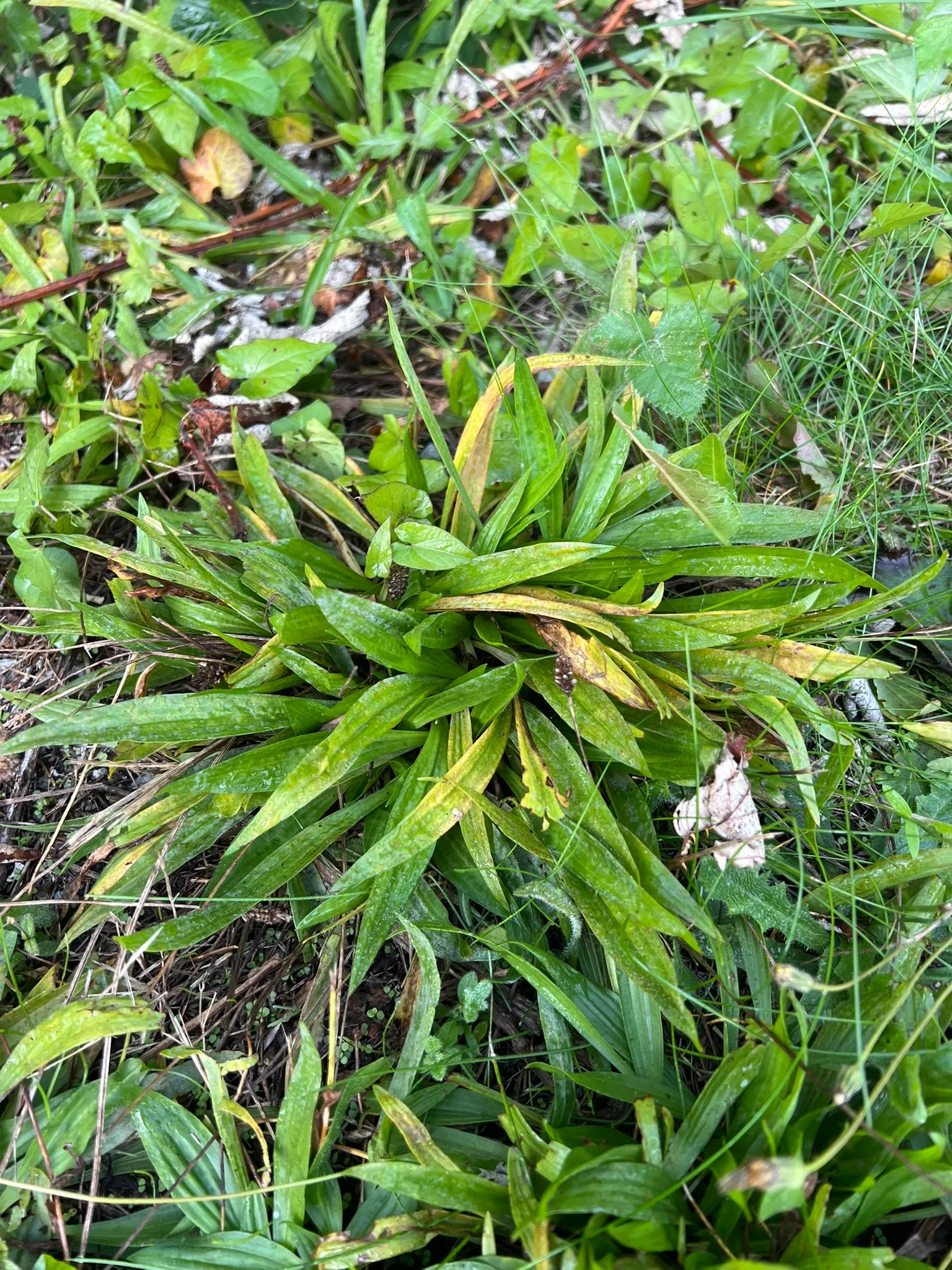
Plantago lanceolata is a fibrous-rooted perennial reaching 6-24 inches (15-60 cm) tall and 6-12 inches (15-30 cm) wide, forming compact basal rosettes. Leaves are all basal, narrowly lanceolate to elliptic, 2-12 inches (5-30 cm) long and 0.4-1 inch (10-25 mm) wide, with 3-5 prominent parallel veins running the length of the blade and a long channeled petiole; leaves are sparsely to moderately hairy. Flower scapes are leafless, wiry, deeply grooved (5-angled in cross-section), and 6-24 inches (15-60 cm) tall. Flower spikes are dense, cylindrical to ovoid, 0.4-1.2 inches (10-30 mm) long, with a conspicuous ring of white to yellowish stamens that emerges at the bottom of the spike and ascends toward the tip over 7-10 days as the florets open in sequence. Each flower produces a capsule containing 2 seeds. Seeds have a mucilaginous coating that becomes sticky when wet and adheres to shoes, tires, and animal fur. A single plant produces 1,000-15,000 seeds. The fibrous root system is dense but shallower than the taproot of P. major. Plants are widespread in Pacific Northwest lawns and pastures. Pollen is wind-dispersed and contributes to grass-pollen-associated allergic rhinitis from May through August in the Pacific Northwest.
Native Range
Plantago lanceolata is native to Europe and western Asia, where it grows in lawns, pastures, roadsides, and disturbed ground from sea level to approximately 8,000 feet (2,400 m). The species has naturalized across all 50 U.S. states and all Canadian provinces and is widespread across Pacific Northwest lawns, pastures, and roadside vegetation.Suggested Uses
The species is used in Plantaginaceae identification courses for teaching parallel leaf venation and the all-basal leaf arrangement. The ascending stamen ring on the flower spike is a teaching feature in pollination biology for demonstrating basipetal-to-acropetal sequential floret opening. The species is included in lawn weed identification alongside P. major as a comparative pair, and plants are studied in aerobiology as a significant source of grass-family pollen in temperate climates. Foliage has a long historical record of use in European folk medicine for wound healing, and leaves contain aucubin and allantoin, both active in the wound-healing response.How to Identify
Appearance
Size & Dimensions
Height6" - 2'
Width/Spread6" - 1'
Bloom Information
Dense cylindrical-to-ovoid flower spikes 0.4-1.2 inches (10-30 mm) long open from April through September, with spikes produced continuously as new scapes emerge through the growing season for a total bloom span of 12-14 weeks. The ring of white stamens emerges at the base of each spike and moves upward over 7-10 days as the florets open in sequence, and the visible ring position gives a rapid field assessment of spike maturity. Flowers are wind-pollinated, and pollen contributes to grass-pollen-associated allergic rhinitis in late spring and summer. Seeds mature progressively as the stamen ring ascends.
Detailed Descriptions
Flower Description
Brownish flowers in dense cylindrical-to-ovoid spikes 0.4-1.2 inches (10-30 mm) long with a conspicuous ring of white to yellowish stamens that ascends the spike as it maturesFoliage Description
Dark green; narrowly lanceolate to elliptic, 2-12 inches (5-30 cm) long and 0.4-1 inch (10-25 mm) wide, with 3-5 prominent parallel veins running the length of the blade and a long channeled petiole; sparsely to moderately hairy; all basalGrowing Conditions
Sun Requirements
Requires 4-10 hours of direct sunlight daily
• Full Sun: 6+ hours of direct sunlight
• Partial Shade: 3-6 hours of direct sunlight
• Full Shade: Less than 3 hours of direct sunlight