Plantago, Genus, erecta, Species,
- Genus & species
dot-seed plantain
Western North America (California, Oregon, Baja California)
Overview
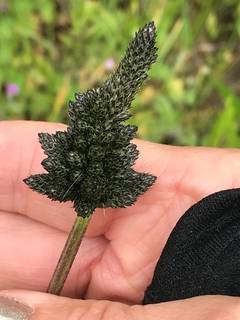
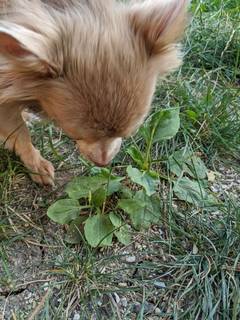
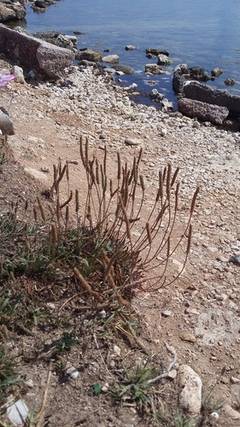
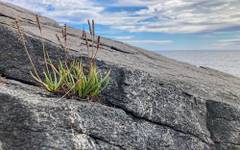
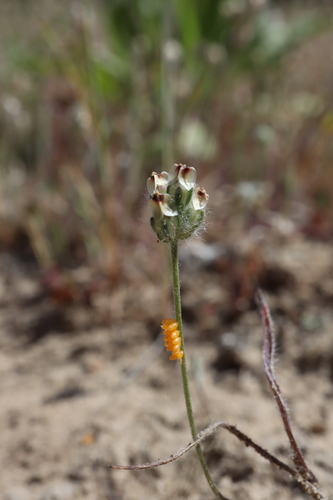
Plantago erecta is a small annual herb of the plantain family native to grasslands, open slopes, and vernal areas of California, Oregon, and Baja California. It forms a low basal rosette of narrow, linear leaves 0.5-4 inches (1.5-10 cm) long, grey-green and softly hairy, from which one to several slender, leafless flowering stalks rise 1-6 inches (2.5-15 cm) tall. Each stalk is topped by a short cylindrical spike of tiny, papery, four-lobed flowers, followed by small two-seeded capsules that open by a lid to release the dark seeds. As a winter annual it germinates with autumn and winter rains, flowers in spring, and dies by early summer, leaving only seed in the soil and no presence for most of the year. The species is a primary larval host plant for the Bay checkerspot butterfly and several other native insects, and it grows on serpentine and other lean soils that exclude more competitive plants. In cultivation it is used mainly in native grassland restoration, vernal-pool margins, and habitat plantings, where its small size adds little visual structure.
Native Range
Native to California and southern Oregon in the United States and to Baja California, Mexico, where it grows in open grasslands, coastal scrub, serpentine slopes, and the margins of vernal pools below about 5,000 feet (1,500 m).Suggested Uses
Used in native grassland and serpentine restoration, vernal-pool margin plantings, and butterfly habitat projects, particularly for the Bay checkerspot. It is grown for ecological function in habitat gardens on lean soils.How to Identify
Appearance
Size & Dimensions
Height1" - 6"
Width/Spread1" - 4"
Colors
Foliage Colors
Bloom Information
Tiny papery flowers appear in spring, mainly March to May, on short cylindrical spikes. Bloom timing follows winter rainfall and is brief. The flowers are wind-pollinated and inconspicuous.
Detailed Descriptions
Foliage Description
grey-greenGrowing Conditions
Sun Requirements
Requires 6-12 hours of direct sunlight daily
• Full Sun: 6+ hours of direct sunlight
• Partial Shade: 3-6 hours of direct sunlight
• Full Shade: Less than 3 hours of direct sunlight
Water & Climate
Water Needs
Drought Tolerance
Drought tolerant when established
Care & Maintenance
Care Guide
Sow seed in autumn on open, sunny, well-drained sites with lean, sandy, or serpentine soils. As a winter annual it relies on cool-season rain and needs no summer water, dying back after seed set. It tolerates rocky, low-nutrient soils and the seasonal drought of a Mediterranean climate. Rich soils and irrigation favor competing grasses that crowd it out. Plants reseed readily where conditions suit, persisting through the seed bank between years. No fertilizer is needed.Pruning
No pruning is required. As an annual, the plant dies after seed set and can be left in place to drop seed. Spent growth can be cleared once seed has shed.Toxicity
Non-toxicPlanting Guide
Planting Methods & Timing
Planting Method
direct sow
Direct Sow Timing
Fall
Plant Spacing
4 inches