Image 1 of 14
1 / 14
Plant Reference
Pinus, Genus, thunbergii, Species,
- Genus & species
Japanese black pine
Coastal Japan and Korea; sea level to 2,300 feet (700 m)
Overview
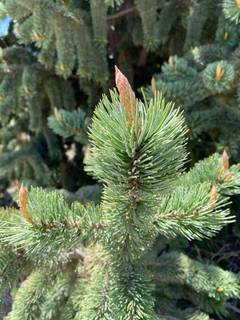
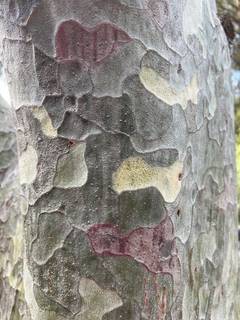
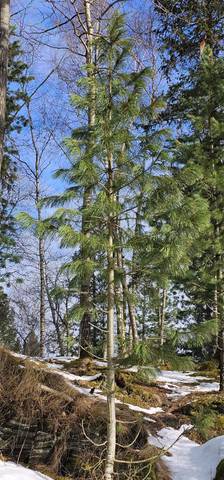
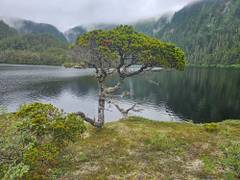
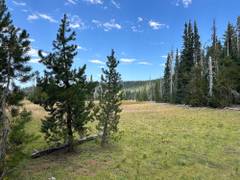
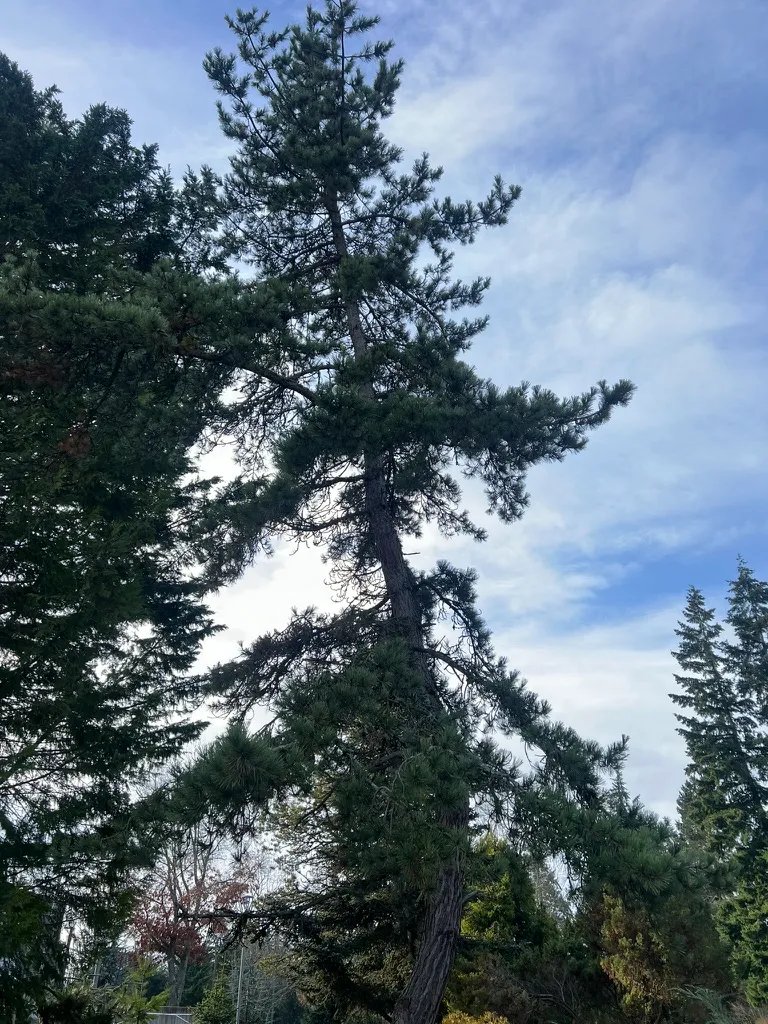
Pinus thunbergii is a spreading coniferous evergreen tree growing 20-60 feet (6-18 m) tall and 20-35 feet (6-10.7 m) wide. Dark green stiff sharply pointed needles are borne in fascicles of 2, 3-5 inches (7-13 cm), in dense tufts at branch tips. The specific epithet commemorates Carl Peter Thunberg. A 2-needle pine in subgenus Pinus. White cylindrical non-resinous terminal buds are the primary identification feature — the white buds separate P. thunbergii from P. nigra (which has resinous brown buds) and P. densiflora (red-brown buds). Tolerance of salt spray exceeds that of other commonly cultivated pines, which makes this species the primary coastal windbreak pine of Japan. P. thunbergii is also the primary ornamental pine in Japanese niwaki (cloud-pruned) and bonsai traditions, where candle pruning in May-June and fall needle-plucking produce the sculpted horizontal branching characteristic of the style. Native to coastal Japan and Korea at sea level to 2,300 feet (700 m). Pine wilt nematode (Bursaphelenchus xylophilus) is fatal and is the primary limitation in eastern United States landscapes — infected trees cannot be saved. Diplodia tip blight is the primary fungal disease. Tolerates wind, sandy soil, and air pollution. Dark deeply furrowed bark develops with age. Non-toxic. Deer-resistant.
Native Range
Native to coastal Japan and Korea. Found at sea level to 2,300 feet (700 m). Used as the primary coastal windbreak pine of Japan.Suggested Uses
Grown as a coastal windbreak, specimen tree, and niwaki or bonsai subject on sites with room for 20-60 foot (6-18 m) height and 20-35 foot (6-10.7 m) spread, spaced 20-35 feet (6-10.7 m) apart. The high salt tolerance suits exposed coastal positions where other pines decline. Pine wilt nematode is fatal in the eastern United States — local prevalence should be checked. Mature size exceeds typical container dimensions. Non-toxic. Hardy in zones 5-9.How to Identify
Appearance
Size & Dimensions
Height20' - 60'
Width/Spread20' - 35'
Reproduction
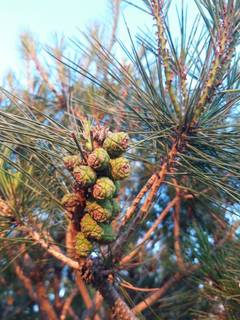
Monoecious. Yellow male strobili at base of new candles and small reddish-purple female cones at candle tips in April-May. Ovoid brown cones, 1.5-3 inches (4-7 cm), mature in two years.
Detailed Descriptions
Foliage Description
dark green; needles in fascicles of 2, 3-5 inches (7-13 cm), stiff, sharply pointed; densely packed in tufts at branch tips; the dark color of bark and foliage together gives the species its common nameGrowing Conditions
Sun Requirements
Requires 6-12 hours of direct sunlight daily
• Full Sun: 6+ hours of direct sunlight
• Partial Shade: 3-6 hours of direct sunlight
• Full Shade: Less than 3 hours of direct sunlight
Care & Maintenance
Care Guide
Site in full sun (6-12 hours) in well-drained soil with a pH of 5.0-7.5. Drought-tolerant and highly salt-tolerant. Pine wilt nematode is fatal and is a major threat in the eastern United States — local prevalence should be checked before planting. Diplodia tip blight is the primary fungal disease. Candle prune in May-June for traditional niwaki form. Non-toxic. Deer-resistant. Hardy in zones 5-9.Pruning
Candle prune in late spring to early summer (May-June) — cut new candles by one-third to two-thirds before needles expand. For niwaki form, also thin older needles by hand-plucking in fall to open the branch structure. Traditional Japanese pruning maintains sculpted horizontal branching.Pruning Schedule
Prune: May–June
late springsummer