Pinus, Genus, radiata, Species,
- Genus & species
monterey pine
Central California coast (three mainland populations: Año Nuevo, Monterey Peninsula, Cambria; plus Guadalupe and Cedros Islands off Baja California; approximately 25000 acres / 10000 hectares total native range)
Overview
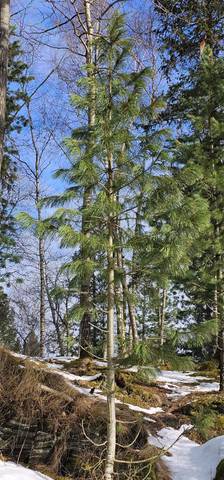
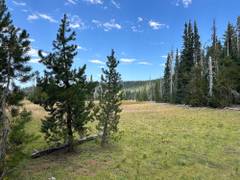
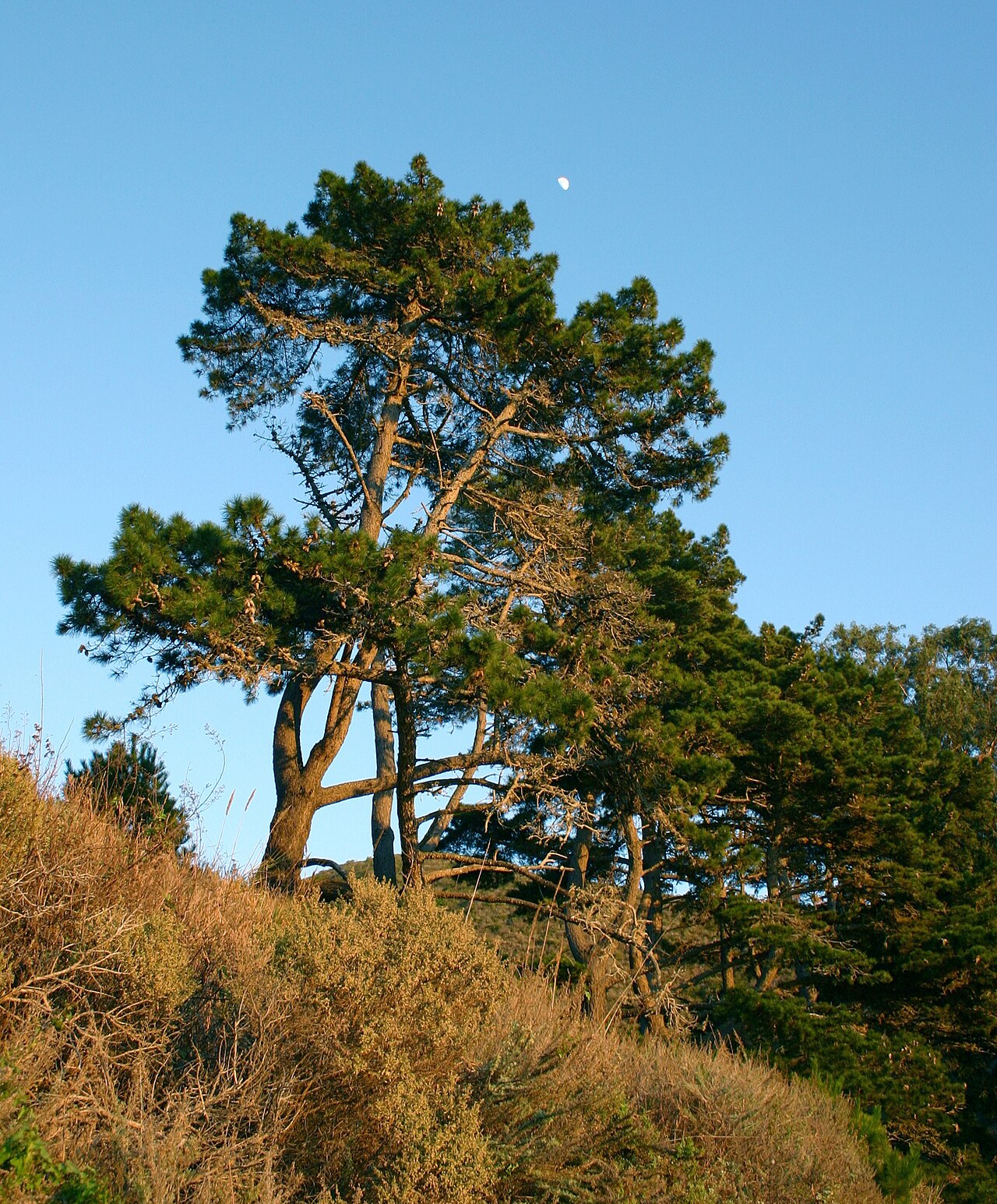
Pinus radiata is an evergreen conifer in the pine family (Pinaceae) reaching 60–100 feet (18–30 m) tall with a spread of 25–40 feet (7.6–12 m), carrying a broadly conical to irregularly rounded mature crown. This three-needle pine carries needles 4–6 inches (10–15 cm) long, bright green in color, flexible in texture, and densely packed along the shoots in fascicles of 3. Cones run asymmetric at 3–6 inches (8–15 cm) long, lopsided in outline, with rounded bumps on the outer scales, serotinous in some wild populations (requiring heat to open and release seed), persisting in whorls on the tree across multiple seasons. Growth rate runs very fast at 3–6 feet (0.9–1.8 m) per year under reliable growing conditions — a growth rate that exceeds most pine species in cultivation. Hardy to zone 7. The native range of the species covers only three small mainland populations in central California plus two island populations off Baja California — among the smallest native ranges of any widely cultivated tree species. The species is the dominant timber-plantation pine across the Southern Hemisphere, with major plantations in New Zealand, Australia, Chile, South Africa, and Spain.
Native Range
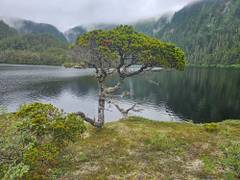
Pinus radiata is native to the central California coast, where wild populations occur at only three small mainland sites (Año Nuevo, the Monterey Peninsula, and Cambria) plus two island populations (Guadalupe Island and Cedros Island) off the Baja California coast. Total native range covers approximately 25,000 acres (10,000 hectares) across the combined mainland and island populations.Suggested Uses
Grown as a fast-growing screen, windbreak, or specimen tree in maritime climate zones at 20–30 foot (6–9 m) spacing. The fastest-growing pine species in commercial cultivation at 3–6 feet per year suits the tree to reclamation plantings and screening installations where rapid canopy development matters. Dense green foliage holds year-round ornamental value across the canopy. The restricted native range at approximately 25,000 acres carries conservation interest for native-plant and botanical garden collections. Short lifespan at 80–100 years and susceptibility to pine pitch canker both matter for long-term planting planning. Hot inland climate zones, small garden footprints, and sites where long-term permanence is required are all unsuitable given the cultural profile.How to Identify
Appearance
Size & Dimensions
Height60' - 100'
Width/Spread25' - 40'
Bloom Information
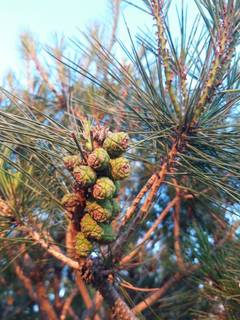
Male strobili release pollen during February and March. Female cones mature across a 2-year development cycle to 3–6 inches (8–15 cm) long, asymmetric in outline, variably serotinous across wild populations, persisting in whorls on the tree across multiple seasons rather than shedding after seed release.
Detailed Descriptions
Flower Description
Male strobili during February and March; female cones asymmetric lopsided 3-6 inches long with rounded scale bumps; variably serotinous; persist in whorls across seasonsFoliage Description
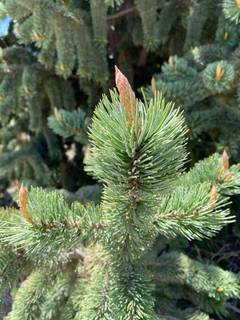
Bright green flexible needles 4-6 inches long in fascicles of 3; densely packed along the shootsGrowing Conditions
Sun Requirements
Requires 6-12 hours of direct sunlight daily
• Full Sun: 6+ hours of direct sunlight
• Partial Shade: 3-6 hours of direct sunlight
• Full Shade: Less than 3 hours of direct sunlight