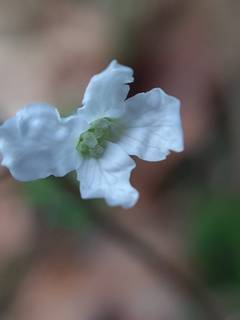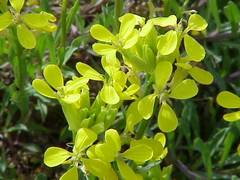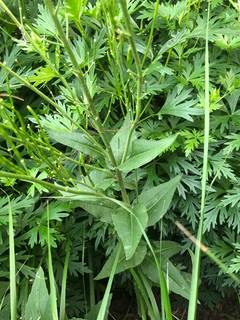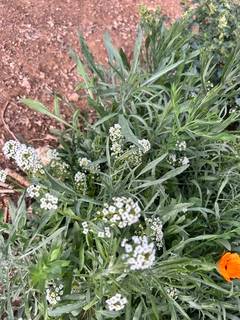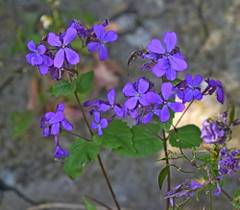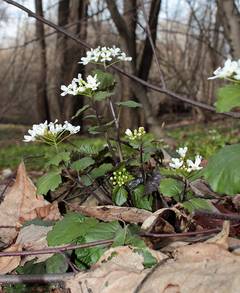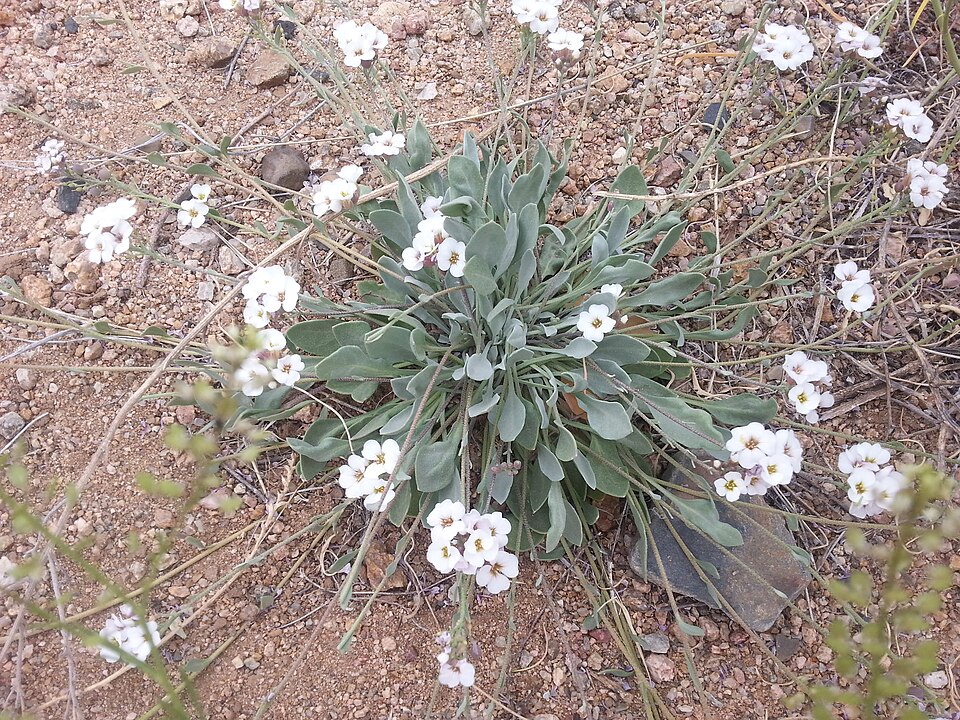
Physaria, Genus, spp., Multiple species,
- Genus
- Multiple species
bladderpods
North America (chiefly western United States), with species in Mexico and the Andes
Overview
Physaria is a genus of roughly 90 annual, biennial, and perennial herbs in the mustard family (Brassicaceae), the bladderpods or twinpods, native mainly to North America. Most species are low, tufted plants 2-12 in (5-30 cm) tall, forming rosettes or cushions of gray-green to silvery leaves covered in tiny star-shaped hairs. In spring and early summer short stems carry clusters of small four-petaled flowers, usually bright yellow and sometimes orange or purple. The flowers give way to the inflated, often paired, bladder-like seed pods that name the genus. Many species grow on specialized soils such as limestone, shale, gypsum, or selenium-rich ground in the western United States, and a number are narrow endemics of conservation concern. Plants are adapted to dry, exposed, often rocky sites with sharp drainage and intense sun. The silvery foliage and low habit suit rock and alpine gardens, though most species are short-lived and persist by self-seeding. Heavy, wet soils cause rapid decline.
Native Range
Physaria is native chiefly to North America, with its center of diversity in the western United States, and additional species in Mexico and the Andes of South America. The plants grow on dry plains, foothills, rocky slopes, and specialized mineral soils. Several species are restricted to small areas and are tracked as rare or threatened.Suggested Uses
Grown in rock gardens, troughs, gravel gardens, and dry raised beds where the silvery cushions and yellow spring flowers suit alpine and xeric plantings. The early flowers feed bees and other spring pollinators. Spaced 6-12 in (15-30 cm) apart in sharply drained sites.How to Identify
Appearance
Size & Dimensions
Height2" - 1'
Width/Spread4" - 1'
Bloom Information
Physaria flowers in spring and early summer, generally April to June, as the dry-country growing season peaks. The yellow flower clusters last a few weeks and are followed quickly by the inflated pods. Desert and plains species bloom early before summer heat sets in.
Detailed Descriptions
Flower Description
Yellow, sometimes orange or purpleFoliage Description
Gray-green to silveryGrowing Conditions
Sun Requirements
Requires 6-10 hours of direct sunlight daily
• Full Sun: 6+ hours of direct sunlight
• Partial Shade: 3-6 hours of direct sunlight
• Full Shade: Less than 3 hours of direct sunlight
Care & Maintenance
Care Guide
Physaria grows in full sun on lean, gritty, sharply drained soils such as sand, gravel, and rocky or alkaline ground at a soil pH from about 6.5 to 8.0. Established plants are drought tolerant and decline fast in rich, moist, or poorly drained soil, where the crown and roots rot. Perennial species are hardy across USDA zones 4-8 and tolerate cold, wind, and intense sun. Many are short-lived and renew themselves from self-sown seed. The genus has few pests, though crown rot follows overwatering. Plants resent humidity and crowding.Pruning
Almost no pruning is needed. Spent flower stems and pods are trimmed off if self-seeding is not wanted. Tired or rotting growth is cleared from the center of older cushions to keep them open.Container Growing
Suitable for container growing
Minimum container size: 1 gallons