Image 1 of 18
1 / 18
Plant Reference
Cardamine, Genus, trifolia, Species,
- Genus & species
toothwort
Central and southern Europe — the Alps, Carpathians, Apennines, and Dinaric Alps; moist mountain forests and shaded rocky slopes at mid-elevations
Overview
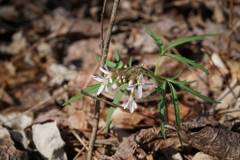
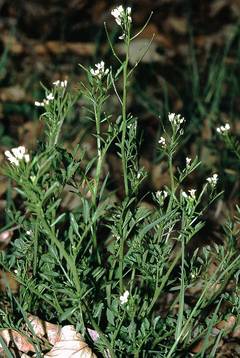
Cardamine trifolia is a low spreading evergreen perennial in the family Brassicaceae, reaching only 4-8 inches (10-20 cm) tall and spreading slowly to 12-18 inches (30-45 cm) wide over several years to form a carpet of dark green trifoliate foliage in shaded woodland positions. Leaves are evergreen, trifoliate (three-parted, the source of the specific epithet trifolia), with 3 rounded coarsely toothed leaflets each 0.5-1 inch (1.3-2.5 cm) long, dark green and glossy above, and often purple-tinged on the undersides with the purple coloration developing most strongly through winter on exposed leaflet undersides. Small white 4-petaled cruciform flowers 0.3 inch (8 mm) across open in loose terminal racemes 2-3 inches (5-7 cm) long during March and April for approximately 3 weeks, and the 4-petaled cruciform pattern is the characteristic flower shape of the whole family Brassicaceae (the cabbage family). The species is native to the moist mountain forests and shaded rocky slopes of central and southern Europe — the Alps, Carpathians, Apennines, and Dinaric Alps — where it grows at mid-elevations under beech and other deciduous canopy. Growth is slow and the plant spreads by short creeping rhizomes at roughly 4-6 inches (10-15 cm) per year, and a single starter plant takes 2-3 growing seasons to form a solid evergreen patch 12-18 inches across. Although the common name toothwort is sometimes applied to this species in the nursery trade, toothwort more accurately refers to Cardamine diphylla and Cardamine concatenata (species formerly placed in the genus Dentaria) that grow in eastern North American woodlands, and C. trifolia is better called trifoliate bittercress or three-leaf cress to avoid confusion with the North American toothworts. The central cultivation requirement is consistent moisture and deep shade; the species is not drought-tolerant and declines rapidly in dry or sunny positions, and this moisture-and-shade demand limits it to the moist shady woodland corners where few other evergreen ground covers survive. The evergreen habit — retaining dark glossy foliage through winter when most other woodland perennials die back to bare soil — is the main ornamental feature and the reason to grow the species, and the small early-spring flower display is a secondary addition. The species is not widely stocked in mainstream garden centers and is normally obtained from specialty woodland-plant nurseries. Deer generally avoid the foliage.
Native Range
Cardamine trifolia is native to central and southern Europe, with a range covering the Alps of France, Switzerland, Austria, and northern Italy, the Carpathians of Slovakia, Romania, and Ukraine, the Apennines of central Italy, and the Dinaric Alps of the western Balkans. The species grows in moist mountain forests and shaded rocky slopes at mid-elevations where beech and other deciduous trees create the dappled canopy and deep leaf-litter layer that suit the species. It has been in European garden cultivation as a shade ground cover since the 19th century and is grown in woodland gardens and shaded rockeries across the British Isles and temperate Europe, though it is much less familiar in North American horticulture and is normally sold only through specialty woodland-plant nurseries.Suggested Uses
Planted as an evergreen ground cover in woodland gardens, under deciduous trees, along shaded paths, and in shaded rockeries and mixed-border edges at 12-18 inch (30-45 cm) spacing in zones 5-9. The year-round dark green foliage and slow non-aggressive spreading habit give the species a role in moist shady positions where most other ground covers die back to bare soil through winter, and it fills the same woodland-garden niche in European cultivation that native Asarum and Galax species cover in North American shade gardens. Combined with Helleborus species, Epimedium, small ferns, and other woodland perennials in mixed shade plantings where the low evergreen mat anchors the front edge of the border. Not suited to sunny positions where the evergreen foliage scorches, dry sites without irrigation where the plant declines rapidly, hot-summer zones 9-10 where summer heat exceeds the species tolerance, or mainstream landscape plantings where wider commercial availability is needed — the species is normally obtained through specialty woodland-plant sources rather than standard garden centers.How to Identify
Appearance
Size & Dimensions
Height4" - 8"
Width/Spread1' - 1'6"
Colors
Bloom Information
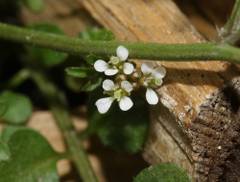
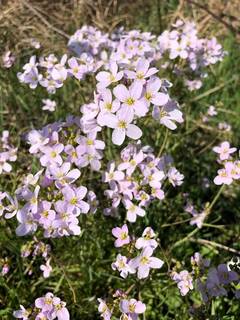
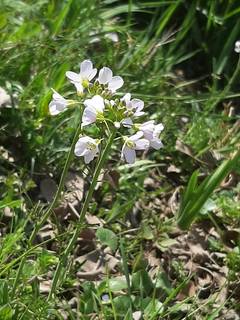
Small white 4-petaled cruciform flowers 0.3 inch (8 mm) across open in loose terminal racemes 2-3 inches (5-7 cm) long during March and April in zones 5-9, lasting approximately 3 weeks. Flowers are bee-visited and carry no measurable fragrance. The flower display is secondary to the evergreen foliage as the ornamental feature of the plant, and the main reason to grow C. trifolia is the year-round glossy dark green ground cover rather than the brief early-spring bloom.
Detailed Descriptions
Flower Description
white; small 4-petaled cruciform flowers 0.3 inch (8 mm) across in loose terminal racemes 2-3 inches (5-7 cm) long held above the foliage on slender upright stalksFoliage Description
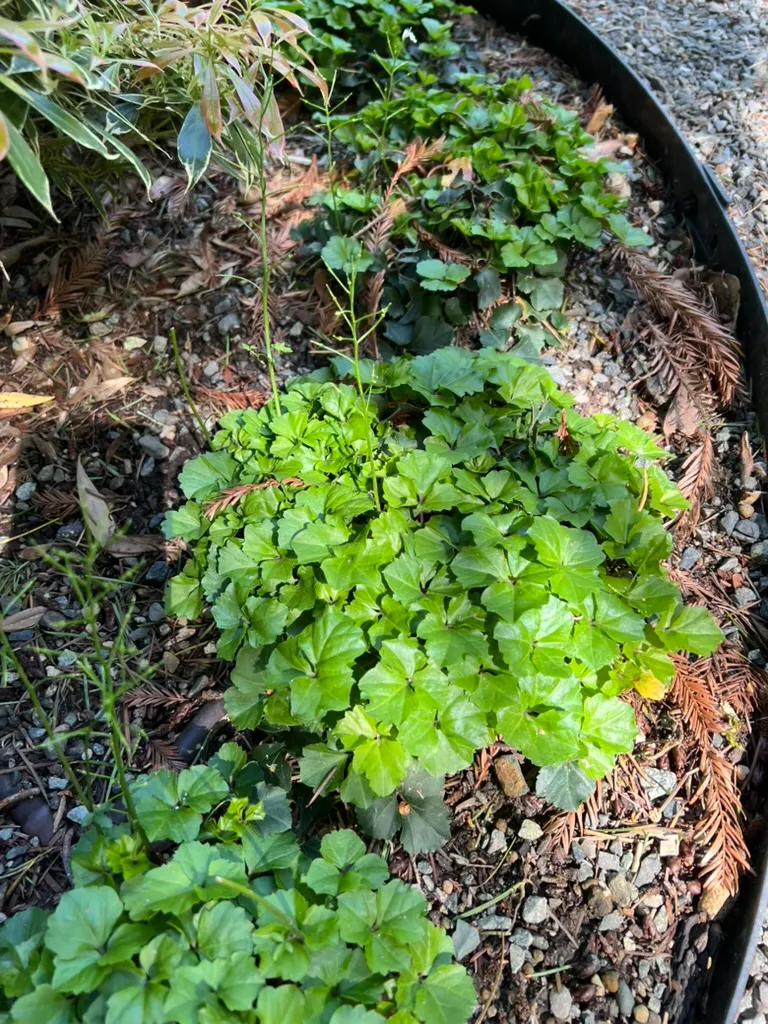
dark green and glossy above, often purple-tinged beneath with the purple coloration developing most strongly through winter; trifoliate with 3 rounded toothed leaflets each 0.5-1 inch (1.3-2.5 cm) long; the three-parted evergreen leaf is the source of the specific epithet trifoliaGrowing Conditions
Sun Requirements
Requires 1-4 hours of direct sunlight daily
• Full Sun: 6+ hours of direct sunlight
• Partial Shade: 3-6 hours of direct sunlight
• Full Shade: Less than 3 hours of direct sunlight
Care & Maintenance
Care Guide
Plant in moist humus-rich soil with a pH of 5.5-7.0 in part shade to full shade (1-4 hours of direct sun). The species is not drought-tolerant and declines rapidly in dry or exposed positions; consistent soil moisture through the growing season and through summer is required for the evergreen foliage to persist without scorching, and the leaf litter layer under deciduous trees supplies the humus-rich moisture-retentive conditions the species needs. Water weekly in rainfall-deficit periods. Deep shade under evergreen conifers is tolerated but flowering is reduced in the lowest light positions. The evergreen habit means that winter-damaged leaflets are removed in early spring (March) before new growth begins — any tattered or browned foliage from winter freeze damage is trimmed to tidy the appearance and let the new spring foliage carry the display. Growth is slow and the spreading rhizomatous colony takes 2-3 growing seasons to knit together from a single starter plant. Deer generally avoid the foliage. The species is non-toxic. The plant is normally obtained from specialty woodland-plant nurseries rather than mainstream garden centers because commercial demand for the species is narrow.Pruning
Winter-damaged or tattered evergreen foliage is removed in early spring (March) before new growth begins, by trimming affected leaflets back with hand pruners or scissors to tidy the appearance. No other pruning is needed through the growing season — the spreading rhizomatous habit develops naturally and does not require corrective cuts. Rhizome spread is slow enough (roughly 4-6 inches / 10-15 cm per year) that containment is rarely needed, though unwanted rhizome extensions can be dug out in early spring if the colony exceeds its intended area.Pruning Schedule
Prune: March
early spring