Cardamine, Genus, pratensis, Species,
- Genus & species
cuckooflower
Overview
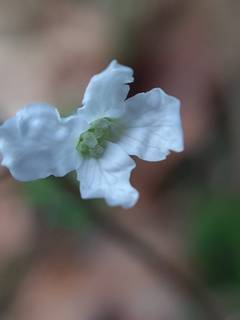
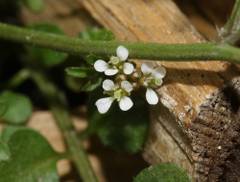
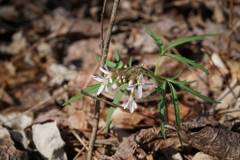
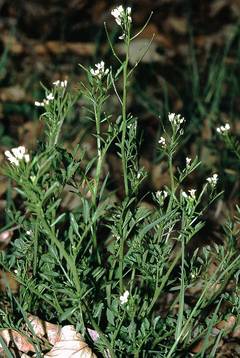
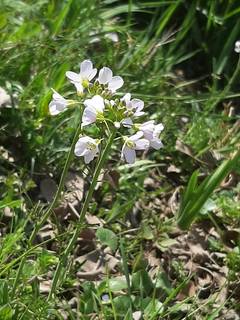
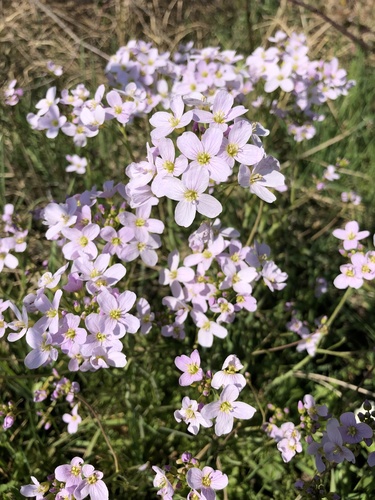
Cardamine pratensis is a slender herbaceous perennial in the cabbage family, growing 8-20 inches (20-50 cm) tall from a basal rosette. The rosette leaves are pinnate with rounded leaflets, while the few stem leaves are divided into narrow, almost linear segments. In spring, loose racemes carry four-petaled flowers about 0.6-0.8 inch (1.5-2 cm) across, in pale lilac to soft pink, occasionally white, with yellow anthers at the center. Native across the cooler parts of Europe, Asia, and North America, it grows in damp meadows, marshes, ditches, and along streams and shaded banks. The flowering coincides with the return of the cuckoo in spring, the source of its common name. It is a larval food plant for the orange-tip and green-veined white butterflies, whose eggs are laid on the flower stalks. The plant can also reproduce from small plantlets that form on fallen leaves, rooting where they touch damp soil. It needs reliably moist ground and fades quickly where the soil dries out in summer.
Native Range
Native across the temperate and subarctic Northern Hemisphere, including Europe, northern Asia, and North America. It grows in wet meadows, marshes, stream sides, ditches, and damp woodland.Suggested Uses
Grown in bog gardens, wildflower meadows, pond and stream edges, and damp informal borders. It suits naturalistic and wildlife plantings, especially for spring butterflies. The peppery young leaves are edible in salads, much like watercress.How to Identify
Appearance
Size & Dimensions
Height8" - 1'8"
Width/Spread6" - 1'
Bloom Information
Flowers in spring, generally April to June, with pale lilac to pink blooms opening in loose racemes as the cuckoo returns. The flowers draw early bees, hoverflies, and orange-tip butterflies. Slender seed pods follow and split explosively to scatter the seed.
Detailed Descriptions
Flower Description
Pale lilac to pink, sometimes whiteFoliage Description
GreenGrowing Conditions
Sun Requirements
Requires 4-8 hours of direct sunlight daily
• Full Sun: 6+ hours of direct sunlight
• Partial Shade: 3-6 hours of direct sunlight
• Full Shade: Less than 3 hours of direct sunlight