Image 1 of 14
1 / 14
Plant Reference
Lunaria, Genus, annua, Species,
- Genus & species
moneyplant
Southeastern Europe and western Asia
SunFull Sun – Part Shade
Overview
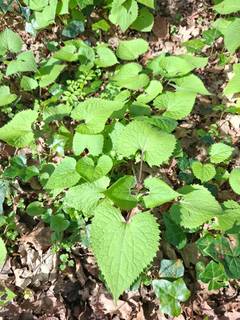
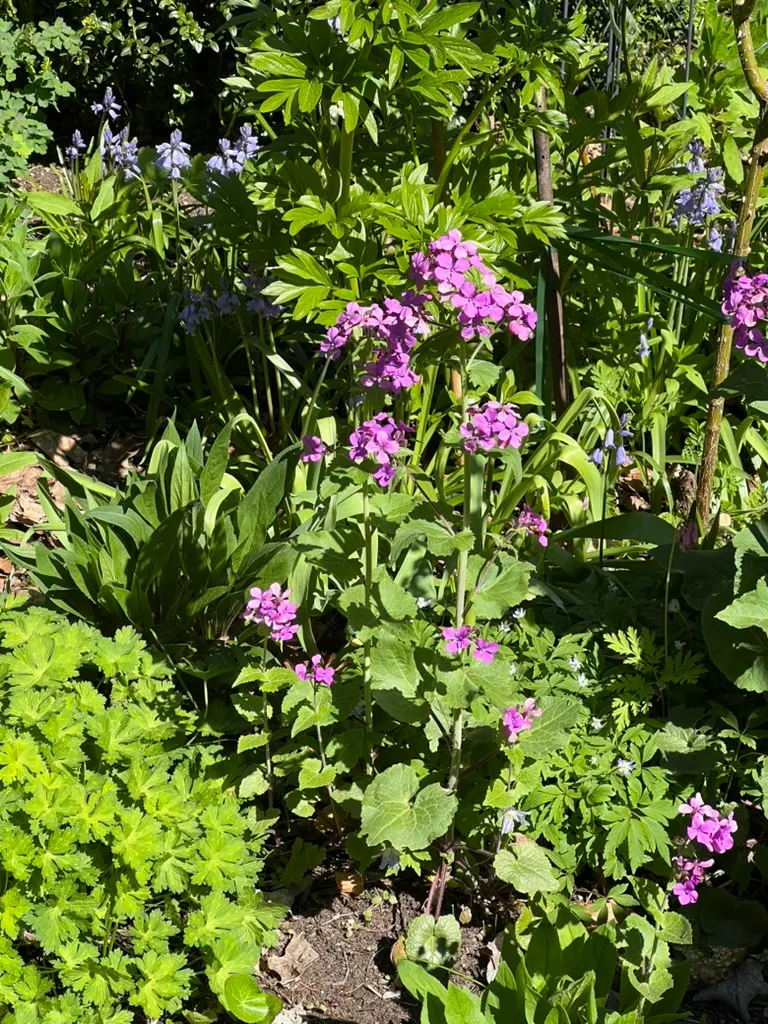
Lunaria annua is moneyplant (honesty), a biennial growing 24–36 inches (60–90 cm) tall and 12–18 inches (30–45 cm) wide. Purple-violet (or white in 'Alba') 4-petaled flowers 0.75 inch (18 mm) in terminal racemes in mid to late spring of the second year. The species name 'annua' is misleading — the plant is a biennial (not annual), forming a basal rosette of heart-shaped leaves in year 1, flowering and setting seed in year 2, then dying. Flat round seed pods 1.5–2 inches (4–5 cm) develop after flowering — the outer husks fall away to reveal translucent silvery-white papery membranes (septums) that persist on the dried stems. The coin-shaped pods give the common name 'moneyplant'; the common name 'honesty' is traditional in Britain. In the mustard family (Brassicaceae). Self-seeds reliably — once established, a colony persists indefinitely with overlapping generations (year 1 rosettes and year 2 flowering stems present simultaneously). The dried seed pods with their silvery membranes are used in dried flower arrangements — harvest when the outer husks begin separating. 'Variegata' has cream-white-edged leaves and purple flowers. Lightly fragrant flowers. Naturalized throughout eastern North America and the Pacific Northwest. Native to southeastern Europe and western Asia. Adapts to dry shade. Non-toxic. Deer-resistant. Growth rate is moderate.
Native Range
Native to southeastern Europe and western Asia. Naturalized throughout eastern North America and the Pacific Northwest, growing in open woodland, roadsides, and waste ground.Suggested Uses
Grown in cottage gardens, woodland edges, and naturalized borders where the biennial self-seeding maintains a permanent colony. The translucent silvery seed pods are the primary feature — used in dried arrangements. Purple or white flowers in spring. 'Variegata' for cream-edged foliage. Non-toxic. Deer-resistant.How to Identify
Appearance
Size & Dimensions
Height2' - 3'
Width/Spread1' - 1'6"
Bloom Information
Mid to late spring (April–May) of the second year, lasting 3–4 weeks. Purple-violet or white 4-petaled flowers. Flat round seed pods develop through summer — the translucent silvery membranes are exposed by fall. Self-seeds reliably for permanent colonies.
Detailed Descriptions
Flower Description
Purple-violet (species), white ('Alba'), or variegated-leaved ('Variegata'); 4-petaled, in terminal racemesFoliage Description
Medium green, heart-shaped, coarsely toothed, 2-6 inches (5-15 cm); 'Variegata' has cream-edged leavesGrowing Conditions
Sun Requirements
Requires 4-8 hours of direct sunlight daily
• Full Sun: 6+ hours of direct sunlight
• Partial Shade: 3-6 hours of direct sunlight
• Full Shade: Less than 3 hours of direct sunlight
Care & Maintenance
Care Guide
Part sun to full sun (tolerates dry shade). Well-drained soil. Biennial: allow self-seeding for a permanent colony (overlapping year 1 rosettes and year 2 flowering stems). Harvest dried pods when outer husks separate. Naturalized in North America. Non-toxic. Deer-resistant.Pruning
No pruning. Allow the stems to dry naturally for seed pod harvest. Remove the dried stems after harvesting the translucent pods, or leave for natural self-seeding. The year 1 rosettes require no maintenance.Pruning Schedule
Prune: August–September
summer
Toxicity
Non-toxicPlanting Guide
Planting Methods & Timing
Planting Method
direct sow
Direct Sow Timing
Direct sow in early summer or autumn for flowering the following spring; does not transplant well