Persea, Genus, spp., Multiple species,
- Genus
- Multiple species
avocados and bays
Tropical and subtropical America and eastern Asia
Overview
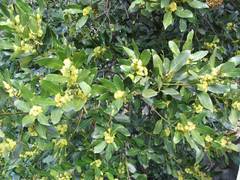
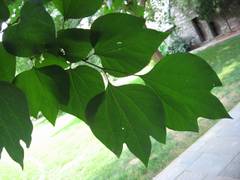
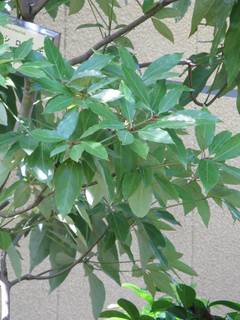
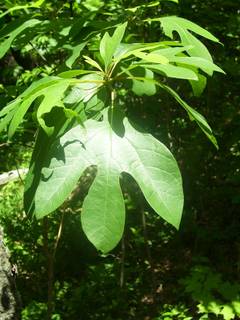
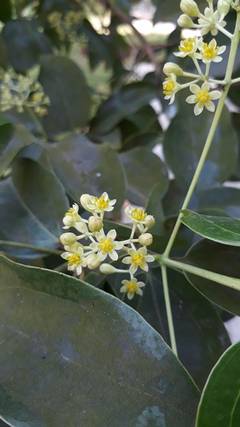
Persea is a genus of about 150 species of evergreen trees and shrubs in the laurel family Lauraceae, distributed through the warmer parts of the Americas and into eastern Asia. The genus includes the avocado, P. americana, grown worldwide for its large oily fruit, and the North American redbay, P. borbonia, of southeastern coastal woodlands. Plants form rounded to spreading trees mostly 20-65 ft (6-20 m) tall, with leathery, aromatic, alternate leaves 3-8 in (8-20 cm) long that release a spicy scent when crushed. Small greenish-yellow or cream flowers, each with six tepals, are carried in branched clusters and are pollinated by insects. The fruit is a fleshy berry or drupe, ranging from the small blue-black berries of the bays to the large green or purple-black fruit of the avocado. The genus grows in moist forest and woodland on a range of well-drained soils and is mostly frost-tender. Several New World species, including the redbay, have been devastated by laurel wilt, a fungal disease spread by an introduced ambrosia beetle. Avocado foliage and fruit contain persin and are toxic to many animals.
Native Range
The genus ranges through tropical and subtropical America, from the southern United States through Mexico, Central America, and the Caribbean into South America, with additional species in eastern and southeastern Asia. The avocado P. americana originated in south-central Mexico and Central America.Suggested Uses
Persea is grown as a fruit and shade tree, with avocado planted in orchards and warm-climate gardens and bays used as evergreen shade and woodland trees. Orchard avocados are spaced 15-30 ft (4.5-9 m) apart. The aromatic leaves of some species are used as a culinary flavouring.How to Identify
Appearance
Size & Dimensions
Height20' - 65'
Width/Spread15' - 40'
Bloom Information
Persea flowers in late winter and spring in most species, carrying small greenish or cream flowers in branched sprays. Avocado flowers follow a daily rhythm, opening as female on one day and as male the next, which aids cross-pollination. Fruit then develops over many months, with avocados taking 6 to 18 months to ripen depending on variety.
Detailed Descriptions
Flower Description
greenish-yellow to creamFoliage Description
glossy greenGrowing Conditions
Sun Requirements
Requires 6-10 hours of direct sunlight daily
• Full Sun: 6+ hours of direct sunlight
• Partial Shade: 3-6 hours of direct sunlight
• Full Shade: Less than 3 hours of direct sunlight
Care & Maintenance
Care Guide
Grow Persea in full sun to part shade in deep, fertile, free-draining soil with a pH of 5.5-7.0, since the roots are shallow and rot in waterlogged ground. Most species, including avocado, are frost-tender and are damaged or killed below about 28 F (-2 C), though redbay and a few others take light frost. Water young trees regularly and keep mature trees evenly moist during fruit development, easing off in cool weather. A mulch layer shields the shallow roots and conserves moisture, and avocados are fed through the growing season with a balanced fertiliser plus zinc. In regions affected by laurel wilt, native bays decline rapidly once infected. Avocado is grown from grafted trees to keep fruit true to variety.Pruning
Persea needs only light pruning to shape the canopy, remove dead or crossing wood, and limit height for easier fruit picking on avocados. Major pruning is done in spring before new growth. The genus tolerates moderate cutting back, but heavy pruning reduces the next fruit crop.Pruning Schedule
Prune: March–April
early spring
Container Growing
Suitable for container growing
Minimum container size: 15 gallons