Cinnamomum, Genus, verum, Species,
- Genus & species
true cinnamon
SunPart Shade – Full Sun
Watermoderate
Overview
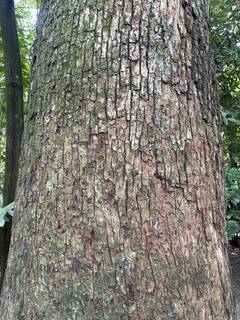
Cinnamomum verum (syn. C. zeylanicum) is true cinnamon (Ceylon cinnamon), growing 48–120 inches (120–300 cm) in containers. The inner bark is the source of true cinnamon — the spice is produced by cutting stems 2–3 years old, peeling the outer bark, then curling the thin inner bark into the cinnamon quills (sticks) sold commercially. Distinguished from C. cassia (Chinese cinnamon / cassia), which is the more common grocery-store cinnamon: C. verum has thinner bark, a milder sweeter flavor, lighter tan color, and lower coumarin content (coumarin is a liver toxin present in higher levels in cassia). Dark green glossy ovate leaves 4–7 inches (10–18 cm) with three prominent parallel veins — a laurel family (Lauraceae) trait. New growth emerges in pink to red flushes before maturing to green. The entire plant (leaves, bark, roots) has a cinnamon scent when crushed or broken. Native to Sri Lanka. Frost-tender: foliage damage below 40°F (4°C). In tropical zones (10–11), grows into a tree 180–480 inches (450–1,200 cm). In temperate zones, grown as a container plant with indoor winter storage. Small yellow-green flowers in panicles — rarely produced in container cultivation. Non-toxic — the bark is the edible spice. In the family Lauraceae (same family as avocado and bay laurel). Growth rate is moderate. Containers of 5–10 gallons (20–40 liters). Deer-resistant (aromatic foliage).
Native Range
Native to Sri Lanka (formerly Ceylon, giving the common name 'Ceylon cinnamon'). Also cultivated in Madagascar, India, and the Seychelles.Suggested Uses
Grown in containers of 5–10 gallons (20–40 liters) in bright light with indoor winter storage. In the ground in zones 10–11. The source plant of true (Ceylon) cinnamon. Bark harvest from coppiced stems. Non-toxic. Deer-resistant.How to Identify
Appearance
Size & Dimensions
Height4' - 10'
Width/Spread3' - 6'
Bloom Information
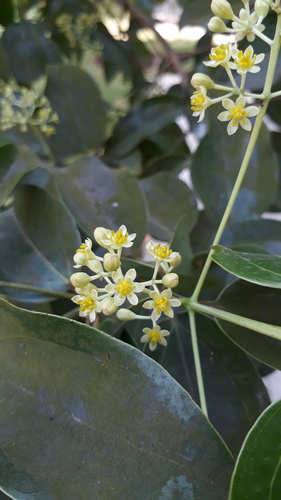
Small yellow-green flowers in panicles in spring to summer — rarely produced in container cultivation. The cinnamon-scented evergreen foliage and the pink-red new growth flushes are the year-round features.
Detailed Descriptions
Flower Description
Yellow-green, small, in paniclesFoliage Description
Dark green, glossy, ovate with 3 prominent veins; new growth flushes pink to redGrowing Conditions
Sun Requirements
Requires 4-8 hours of direct sunlight daily
• Full Sun: 6+ hours of direct sunlight
• Partial Shade: 3-6 hours of direct sunlight
• Full Shade: Less than 3 hours of direct sunlight
Care & Maintenance
Care Guide
Partial shade to full sun. Frost-tender below 40°F (4°C). Container culture with indoor winter storage in temperate zones. Consistently moist well-draining soil. New growth flushes pink-red. Cinnamon scent in all parts. Non-toxic — bark is edible spice. Deer-resistant. In ground in zones 10–11.Pruning
Prune for shape and size control. Cinnamon bark is harvested from 2–3-year-old stems: cut stems at the base, peel outer bark, curl the thin inner bark to dry as quills. New stems regrow from the cut points (coppicing). Container plants: prune to maintain 48–96 inches (120–240 cm).Container Growing
Suitable for container growing
Minimum container size: 5 gallons