Cinnamomum, Genus, spp., Multiple species,
- Genus
- Multiple species
cinnamon
Tropical and subtropical Asia and Australasia
Overview
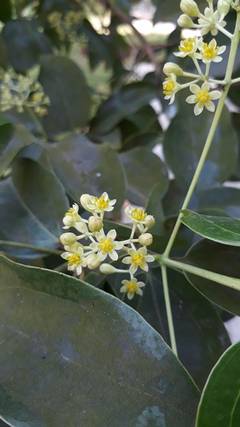
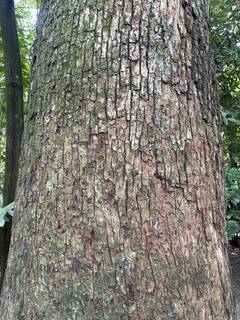
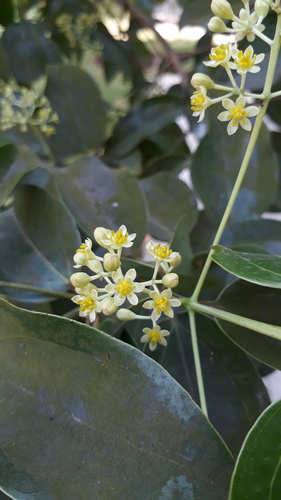
Cinnamomum is a genus of evergreen trees and shrubs in the laurel family, Lauraceae, comprising around 250 species spread across tropical and subtropical Asia, Australasia, and the Pacific. Members range from 10 to 100 feet (3-30 m) tall depending on species, with aromatic bark and leathery leaves that release a spicy scent when crushed. The leaves are usually opposite or sub-opposite, 2-7 inches (5-18 cm) long, and many carry three conspicuous veins running from the base. Small cream to pale-yellow flowers are borne in branched clusters and give way to one-seeded, berry-like drupes that ripen black or dark purple in a shallow cup. The genus supplies several aromatic products: the dried inner bark of C. verum and C. cassia yields cinnamon and cassia, while C. camphora is distilled for camphor. Most species are frost-tender and grow only in warm, frost-free climates, which limits outdoor cultivation to tropical and warm-temperate regions. Plants grow in moist, well-drained soil with shelter from drying wind. Several species, notably camphor laurel, seed freely and have become invasive outside their native range.
Native Range
Cinnamomum is native to tropical and subtropical Asia and Australasia, from India, Sri Lanka, and southern China through Southeast Asia to Australia and the western Pacific islands. Species grow in evergreen forests from lowland rainforest to mid-elevation hill forest.Suggested Uses
Cinnamomum is grown as a shade or street tree, a clipped hedge, and a source of spice, essential oil, and timber in warm climates. The dense evergreen canopy creates year-round shade and shelter for birds. Because some species spread aggressively from seed, their use is restricted in regions where they have naturalised.How to Identify
Appearance
Size & Dimensions
Height10' - 100'
Width/Spread10' - 50'
Bloom Information
Flowering time varies with species and climate, generally falling in spring to early summer in subtropical areas. The small flowers are inconspicuous against the foliage and draw flies and small bees. Dark fruits ripen over the following months and are spread by birds.
Detailed Descriptions
Flower Description
cream to pale yellowFoliage Description
greenGrowing Conditions
Sun Requirements
Requires 4-10 hours of direct sunlight daily
• Full Sun: 6+ hours of direct sunlight
• Partial Shade: 3-6 hours of direct sunlight
• Full Shade: Less than 3 hours of direct sunlight
Care & Maintenance
Care Guide
Cinnamomum grows in full sun to partial shade in deep, moist, well-drained soil, and most species need a frost-free or nearly frost-free climate. Young plants are sensitive to cold and drying wind, while established trees tolerate brief dry spells. Growth is fastest in warm, humid conditions with regular moisture, slowing in cool or arid sites. Most species are hardy only in USDA zones 9-11, though a few tolerate light frost once mature. Trees can reach large size, so spacing of 20-40 feet (6-12 m) allows room for the crown. The genus tolerates pruning for shape or size control.Pruning
Prune in late winter or early spring before new growth to shape young trees or restrict size, as the genus tolerates hard cutting and resprouts from old wood. Remove crossing or damaged branches to open the crown. Trimmed hedges of camphor laurel and related species regrow quickly.Pruning Schedule
Prune: February–March
winterearly spring