Image 1 of 4
1 / 4
Plant Reference
Laurus, Genus, nobilis, Species,
- Genus & species
bay laurel
Mediterranean region — Portugal, Spain, France, Italy, Greece, Turkey, and northern Africa; maquis scrubland, rocky slopes, and laurel forests
Overview
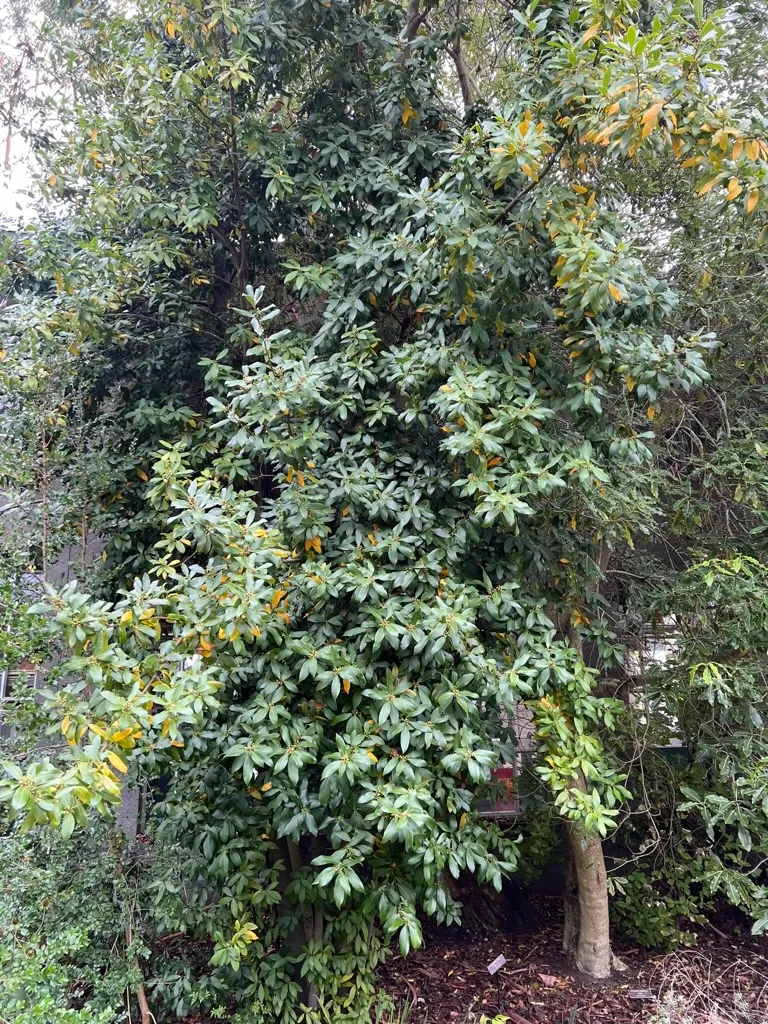
Laurus nobilis is bay laurel (sweet bay), an upright evergreen tree growing 10-30 feet (3-9 m) tall and 6-20 feet (1.8-6 m) wide. Tiny yellowish-green flowers in April-May (3 weeks). Glossy black drupes 0.5 inch (1.3 cm) on female trees in fall. Glossy dark green aromatic elliptic leathery leaves 2-4 inches (5-10 cm) — the culinary bay leaf used worldwide in soups, stews, and sauces. In Lauraceae. Nobilis = noble (the laurel wreath of ancient Greece and Rome). Dioecious. Native to the Mediterranean. Tolerates hard pruning — traditionally trained as topiary standards and formal shapes. Hardy to about 15°F (-9°C) — zones 8-10 outdoors; container plant overwintered indoors in colder zones. This limited cold hardiness is the primary climatic restriction. Susceptible to bay sucker (Trioza alacris) and scale insects. Drought-tolerant once established. Culinary foliage harvestable year-round. Deer-resistant. Non-toxic. Growth rate is slow to moderate.
Native Range
Native to the Mediterranean region — Portugal, Spain, France, Italy, Greece, Turkey, and northern Africa. Found in maquis scrubland, rocky slopes, and laurel forests.Suggested Uses
Grown as an evergreen specimen tree, formal topiary, screen, or culinary herb garden tree, and in containers of at least 10 gallons (38 L) in colder zones, spaced 6-20 feet (1.8-6 m). Culinary bay leaf. Topiary. Non-toxic. Zones 8-10.How to Identify
Appearance
Size & Dimensions
Height10' - 30'
Width/Spread6' - 20'
Bloom Information
Mid spring (April-May). Yellowish-green tiny flowers 0.2 inch (5 mm) in axillary clusters. 3 weeks. Dioecious. Bee-visited. Glossy black drupes on female trees follow in fall.
Detailed Descriptions
Flower Description
Yellowish-green, tiny, 0.2 inch (5 mm), in small axillary clusters; April-May; dioecious — female trees produce glossy black drupes 0.5 inch (1.3 cm) in fallFoliage Description
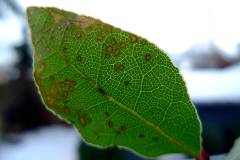
Glossy dark green above, paler beneath, elliptic to lance-shaped, leathery, 2-4 inches (5-10 cm), with slightly wavy margins; aromatic (the culinary bay leaf — used fresh or dried in soups, stews, and sauces); evergreen year-roundGrowing Conditions
Sun Requirements
Requires 4-8 hours of direct sunlight daily
• Full Sun: 6+ hours of direct sunlight
• Partial Shade: 3-6 hours of direct sunlight
• Full Shade: Less than 3 hours of direct sunlight
Care & Maintenance
Care Guide
Full sun to partial shade (4-8 hours). Well-drained soil pH 6.0-8.0. Drought-tolerant once established. Hardy to 15°F (-9°C) — container plant in zones colder than 8 (overwinter indoors). Traditional topiary subject. Susceptible to bay sucker and scale. Culinary foliage. Dioecious. Non-toxic. Deer-resistant. Zones 8-10.Pruning
Prune in late spring to midsummer (May-June) to shape. Tolerates hard pruning and formal topiary shearing. Train as standards, pyramids, or lollipops. Multiple light shearings per season maintain formal shapes.Pruning Schedule
Prune: May–June
late springsummer
Container Growing
Suitable for container growing
Minimum container size: 10 gallons